Key Highlights
- Nuclear safety regulators from 38 countries have issued warnings regarding the risks posed by Russian attacks on Ukraine's energy infrastructure.
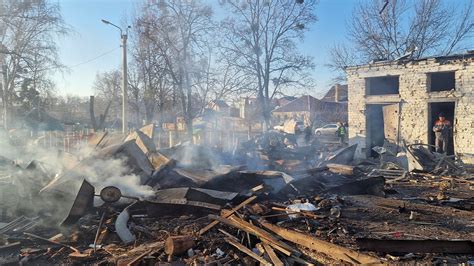
- Missile and drone strikes have damaged critical power plants and transmission lines, jeopardizing the cooling systems of nuclear reactors.
- A nationwide blackout affecting Ukraine's nine operational reactors has been identified as a worst-case scenario, prompting calls for emergency preparedness across Europe.
Nuclear safety regulators representing 38 countries have raised alarms about the increasing risk of a nuclear accident in Ukraine due to ongoing Russian attacks on the country's energy infrastructure. The recent missile and drone strikes have inflicted significant damage on power plants, transmission lines, and substations, which are essential for maintaining the reliable electricity supply necessary to cool nuclear materials safely.
The International Atomic Energy Agency (IAEA) has been closely monitoring the situation, emphasizing that the potential for a nationwide blackout affecting Ukraine's nine operational reactors is a serious concern. While this scenario is classified as a worst-case outcome rather than an expected event, the implications of such a blackout could be catastrophic, leading to severe safety hazards at nuclear facilities.
In light of these developments, regulators have urged Russia to cease its attacks on nuclear facilities and the supporting infrastructure that is vital for their safe operation. The call for an immediate halt to hostilities is underscored by the need for coordinated emergency preparedness across Europe, as the repercussions of a nuclear incident could extend far beyond Ukraine's borders.
The IAEA's warnings come at a critical time as winter approaches, when energy demands typically surge. The ongoing conflict has already strained Ukraine's energy resources, and the added threat of nuclear safety risks exacerbates an already precarious situation. The international community is being urged to take proactive measures to ensure the safety of nuclear operations in Ukraine and to prepare for potential emergencies.
As the situation evolves, the focus remains on diplomatic efforts to resolve the conflict and safeguard the integrity of Ukraine's nuclear facilities. The need for a unified response from European nations is more pressing than ever, as the stability of the region hangs in the balance amid ongoing military actions.
In conclusion, the warnings from nuclear safety regulators highlight the urgent need for action to prevent a potential nuclear disaster in Ukraine. The international community must remain vigilant and responsive to the threats posed by the conflict, ensuring that safety protocols are upheld and that the risks of nuclear accidents are mitigated effectively.
Published by Banx Network. This article is part of the Banx decentralized media programme, powered by the BXE token on the XRP Ledger.