Key Highlights
- Ruling Date:The International Court of Justice will deliver its judgment on November 19.
- Allegations:The case brought by The Gambia claims Myanmar violated the Genocide Convention.
- Scope:The ruling will determine state responsibility, not individual culpability.
The International Court of Justice (ICJ) is poised to deliver a significant ruling on November 19 regarding allegations of genocide against the Rohingya people in Myanmar. This landmark case was initiated by The Gambia, which accuses Myanmar of violating the Genocide Convention through a series of grave human rights abuses. The court's decision will have profound implications for international law and the accountability of states for human rights violations.
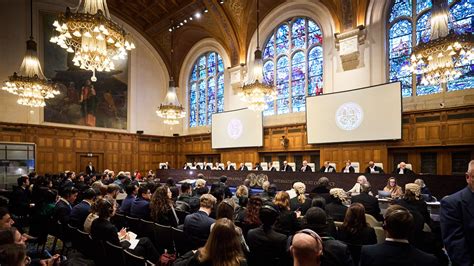
Public hearings for this case took place in January 2026, during which the court examined a range of serious allegations against Myanmar. These include claims of killings, sexual violence, and forced displacement of the Rohingya population. The hearings were marked by emotional testimonies and detailed evidence presented by both The Gambia and representatives of Myanmar. The ICJ's role is to assess whether Myanmar bears state responsibility for these actions under the Genocide Convention, rather than prosecuting individual perpetrators.
The significance of this ruling cannot be overstated. It represents a critical moment in the ongoing struggle for justice for the Rohingya people, who have faced systematic persecution and violence. The ICJ's judgment will be final and legally binding on Myanmar, with no possibility for appeal. This aspect underscores the importance of the ruling, as it could set a precedent for how international law addresses state accountability in cases of genocide and mass atrocities.
The case has garnered international attention, with various human rights organizations and governments closely monitoring the proceedings. The Gambia's initiative to bring this case to the ICJ reflects a growing recognition of the need for accountability in situations where states commit egregious violations of human rights. It also highlights the role of international legal mechanisms in addressing such issues, providing a platform for affected communities to seek justice.
As the world awaits the ICJ's ruling, the implications for Myanmar and the Rohingya people remain uncertain. Should the court find Myanmar liable, it could lead to increased pressure on the Myanmar government to address the ongoing humanitarian crisis and take steps toward reconciliation and justice for the Rohingya. Conversely, a ruling in favor of Myanmar could raise questions about the effectiveness of international legal frameworks in holding states accountable for genocide and other serious crimes.
In conclusion, the upcoming ruling by the International Court of Justice is a pivotal moment in the fight for justice for the Rohingya people. It will not only impact the lives of those affected but also shape the future of international law regarding genocide and state responsibility.
Published by Banx Network. This article is part of the Banx decentralized media programme, powered by the BXE token on the XRP Ledger.