In the arid landscape of the Northern Territory, a new chapter in criminal justice is being written. The government has announced plans for a massive new prison facility, capable of housing 1,200 male inmates, to be built, financed, and operated by a private company. This decision marks a significant shift in how the territory approaches incarceration, blending public policy with private enterprise in a bid to address rising crime rates and overcrowding.
The proposed facility, located adjacent to the existing Darwin Correctional Precinct at Holtze, will also include a 200-bed women’s center. Designed as a remand and intake center, it aims to alleviate pressure on the current system, which has struggled to cope with increasing inmate numbers. The government argues that private operation will bring efficiency and innovation, reducing costs and improving management standards.
However, the announcement has sparked intense debate. Critics argue that privatizing prisons creates a profit motive that may conflict with rehabilitative goals. Concerns have been raised about accountability, transparency, and the potential for cost-cutting measures to impact inmate welfare. Opposition parties and advocacy groups have labeled the move as a "costly bet on a failing system," urging investment in prevention and community support instead.
Proponents, including the CLP government, emphasize the urgent need for capacity. With inmate populations growing, existing facilities are stretched thin, leading to safety risks for both staff and prisoners. They contend that a new, modern facility will provide better conditions and allow for more focused rehabilitation programs. The private partner is expected to bring expertise in large-scale infrastructure management, potentially delivering the project faster than public procurement would allow.
The financial implications are substantial, with estimates suggesting the project could cost taxpayers over $1 billion over its lifecycle. While the upfront capital expenditure is borne by the private operator, long-term service payments will come from public funds. Scrutiny of the contract details will be crucial to ensure value for money and adherence to strict performance standards.
Community reactions are divided. Some residents welcome the increased security and job creation associated with the construction and operation of the prison. Others worry about the social impact of expanding incarceration rather than addressing root causes of crime, such as poverty, substance abuse, and lack of education. The dialogue reflects a broader tension between punitive and restorative justice approaches.
As the project moves forward, oversight mechanisms will be key. Independent monitors and regular audits will be necessary to ensure that the private operator meets legal and ethical obligations. The government has promised transparency, but civil society groups remain vigilant, ready to hold authorities accountable for the outcomes of this ambitious venture.
The announcement of the new prison is more than a construction plan; it is a statement of priorities. It reveals how the Northern Territory chooses to confront crime and justice in the 21st century. Whether this model succeeds in delivering safety and rehabilitation remains to be seen, but it undoubtedly sets a precedent for future penal policy in Australia.
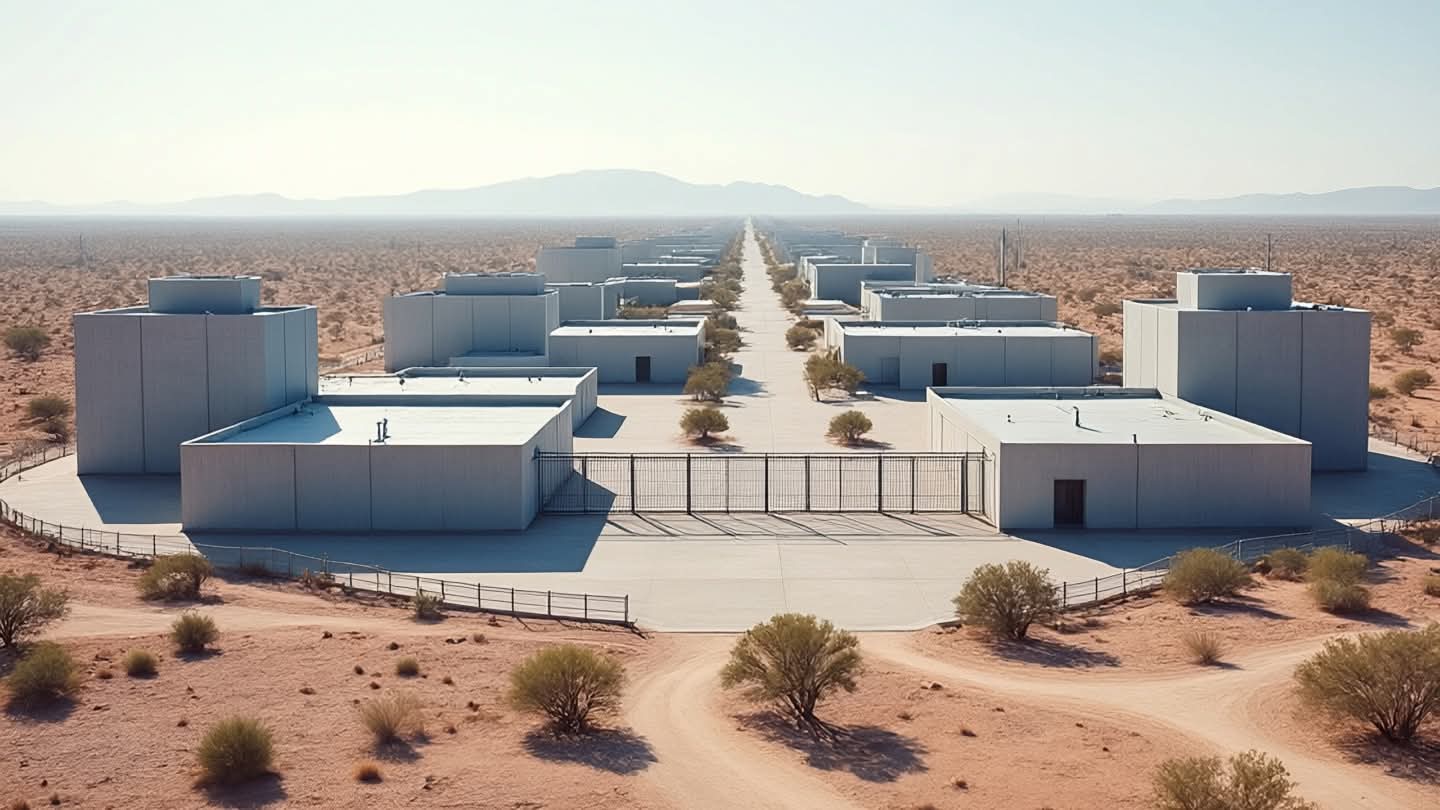
AI Image Disclaimer: Visuals in this article are AI-generated illustrations of modern correctional facilities and architectural concepts, intended to represent the scale and nature of the proposed project without depicting real individuals.
Sources: ABC News, NT News, The Last Governor, Yahoo News Australia
Published by Banx Network. This article is part of the Banx decentralized media programme, powered by the BXE token on the XRP Ledger.