Key Highlights
- Taurids Meteor Showers:Peak on November 4-5 and 11-12.
- Leonids Meteor Shower:Notable for speed and historical storms, peaks November 17-18.
- Beaver Supermoon:Occurs on November 24, appearing larger and brighter than usual.
November 2026 promises a spectacular display in the night sky, featuring two prominent meteor showers and the first supermoon of the season. Stargazers can look forward to the Taurids and Leonids meteor showers, both known for their unique characteristics, alongside the Beaver Supermoon, which will illuminate the sky just before Thanksgiving.
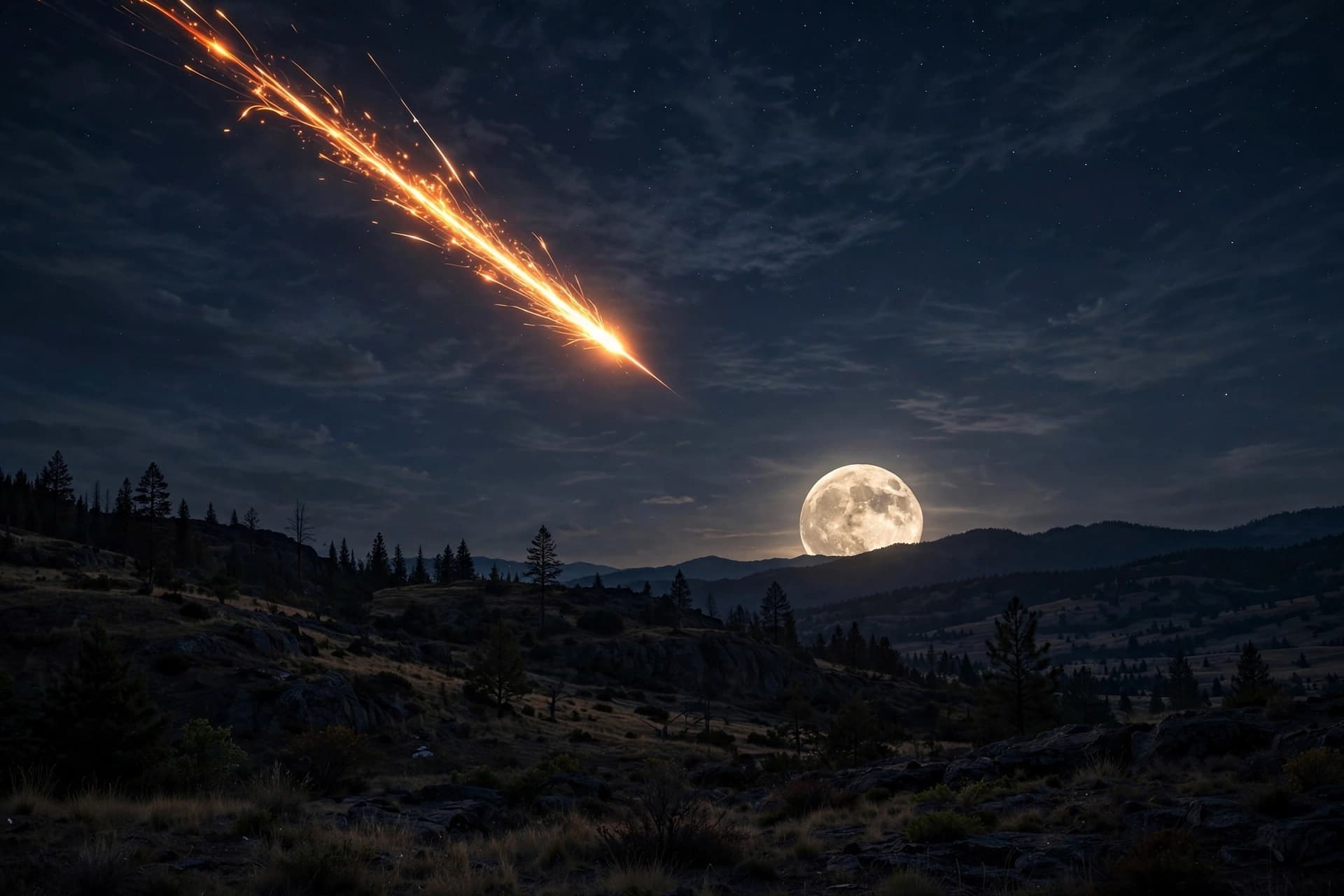
The month kicks off with the Taurids, a pair of meteor showers that, while not prolific, are renowned for their stunning fireballs. The Southern Taurids will peak overnight on November 4-5, followed by the Northern Taurids on November 11-12. Each shower typically produces only five to ten meteors per hour, but their slow-moving fireballs can create brilliant streaks across the sky, lingering longer than most meteors. This year, the visibility will be enhanced by a dim moon, making it an ideal time for viewing, especially after midnight when the constellation Taurus is high in the sky.
Mid-November brings the Leonids, a meteor shower famous for its speed and colorful displays. Historically, the Leonids have produced spectacular meteor storms, with peaks in years such as 1833 and 1966, when thousands of meteors lit up the night. This year, the Leonids will peak overnight on November 17-18, with an expected rate of up to fifteen meteors per hour. Observers are encouraged to find dark locations away from city lights for the best viewing experience, ideally after midnight when the meteors are most active.
The highlight of the month will be the Beaver Supermoon on November 24. Traditionally, the full moon in November is called the Beaver Moon, named for the time when beavers prepare for winter. This year, it coincides with the moon's closest approach to Earth, making it appear up to 30 percent brighter and 14 percent larger than a typical full moon. This supermoon marks the first of three consecutive supermoons, with additional ones in December and January, a rare occurrence that hasn't been seen since January.
In addition to these major events, November offers other celestial delights. Venus will shine brightly, Mercury will reach its maximum westward extension, and Uranus will be in opposition, although the latter will require binoculars or a telescope for viewing. Mars and Jupiter will also come close together in the sky, providing a beautiful planetary pairing for early risers.
The beauty of November's sky lies in its ability to reward patience and observation. The Taurids encourage viewers to wait and adjust their eyes to the darkness, while the Leonids require a commitment to stay up late and seek out dark spaces. The supermoon simply asks for attention, inviting everyone to notice its grandeur. In a fast-paced world, the night sky offers a slower rhythm, reminding us of the wonders that exist beyond our screens.
For those willing to step outside and look up, November 2026 will be a month filled with celestial reminders of the universe's beauty and presence, as meteors streak across the sky and the supermoon rises to greet us.
AI Image Disclaimer: The images in this article are generated by AI and are for illustrative purposes only; they do not depict the actual astronomical events described.
Published by Banx Network. This article is part of the Banx decentralized media programme, powered by the BXE token on the XRP Ledger.