Key Highlights
- Taurids Meteor Shower:Peaks on November 4-5 and November 11-12.
- Leonids Meteor Shower:Best viewing on November 17-18.
- Beaver Supermoon:Occurs on November 24, appearing larger and brighter.
November 2026 promises a spectacular display for skywatchers, featuring a series of celestial events that invite everyone to look up and appreciate the wonders above. This month, two meteor showers—the Taurids and the Leonids—will light up the night sky, culminating in the Beaver Supermoon, which will be the first of three consecutive supermoons.
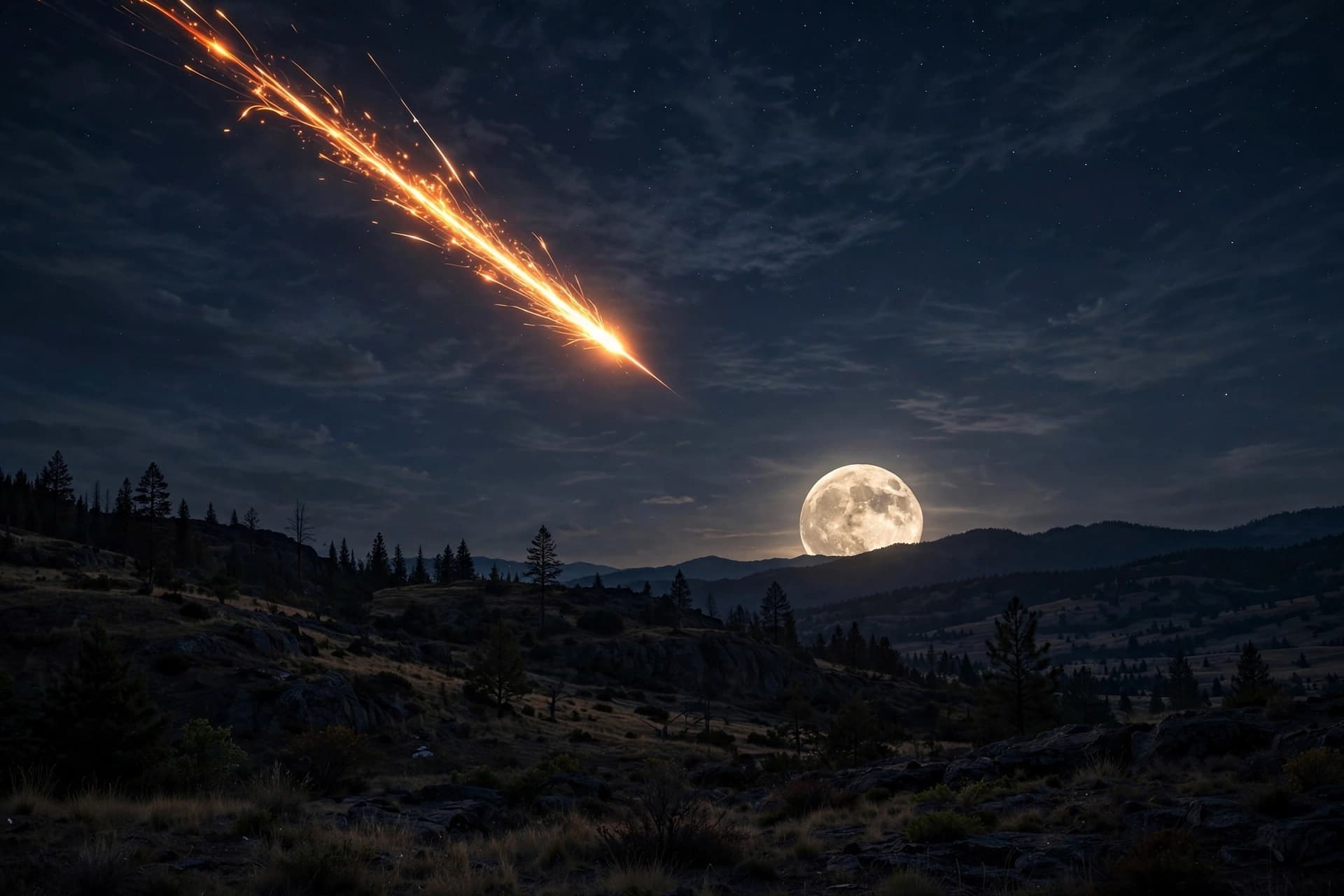
The Taurids, known for their slow-moving fireballs, will peak in early November. The Southern Taurids will reach their peak overnight on November 4-5, followed by the Northern Taurids on November 11-12. Although these showers produce only about five meteors per hour, their slow and bright fireballs make them memorable. This year, the visibility will be enhanced by a dim moon, allowing for darker skies ideal for viewing. The best time to observe the Taurids is after midnight when the constellation Taurus is high in the sky.
Mid-November brings the Leonids, a meteor shower renowned for its speed and colorful displays. Typically, the Leonids produce up to fifteen meteors per hour, entering the atmosphere at approximately 70 kilometers per second. This shower is the debris from comet 55P/Tempel-Tuttle and is famous for its historical meteor storms, particularly in the years 1833, 1866, 1966, 1999, 2001, and 2002. While this year is not expected to produce a storm, the Leonids remain a highlight for observers, with the peak occurring overnight on November 17-18. To maximize viewing potential, it is recommended to find a dark location away from city lights and to look up after midnight.
The Beaver Supermoon on November 24 will be the month's main event for many sky enthusiasts. Traditionally, the full moon in November is referred to as the Beaver Moon, a name that reflects the time of year when beavers prepare for winter. This year, the full moon coincides with its closest approach to Earth, making it appear up to 30 percent brighter and 14 percent larger than a typical full moon. This supermoon marks the first of three consecutive supermoons, with the next two following in December and January. The best viewing times for the supermoon are during moonrise or moonset, when it can appear particularly large and often takes on an orange hue.
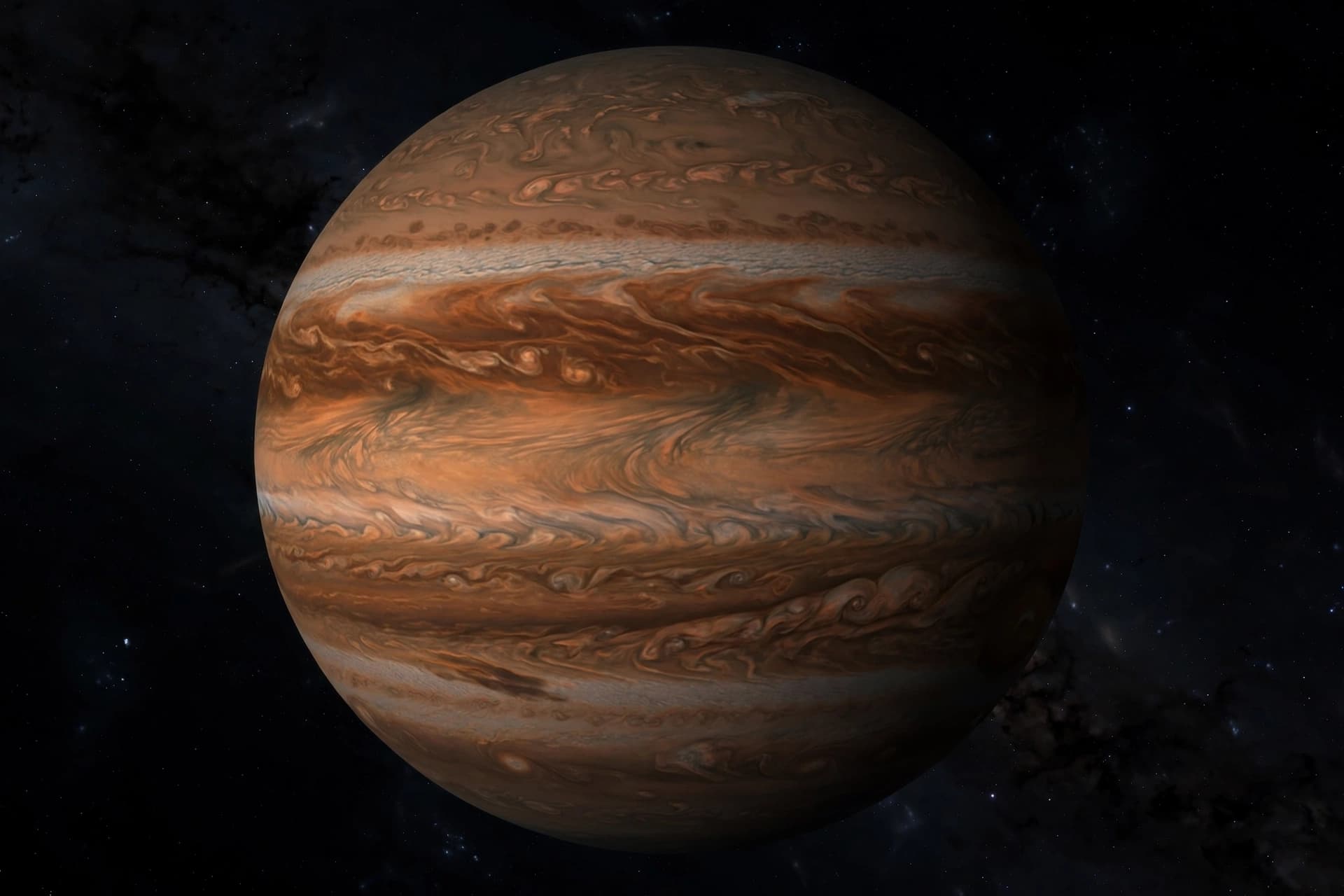
In addition to these headline events, November offers other celestial delights. The new moon on November 9 will create the darkest skies, perfect for spotting the Orion Nebula and the Andromeda Galaxy. From November 14-16, a predawn planet parade will feature Mars and Jupiter appearing just one degree apart in the southern sky, while Mercury and Venus will rise in the southeast. Uranus will reach opposition on November 25-26, becoming its most visible point, although it will require binoculars or a telescope for observation.
November's sky encourages patience and appreciation for the natural world. The Taurids invite observers to wait for the fireballs, while the Leonids require staying up late to enjoy their fast-paced displays. The supermoon simply asks for attention, reminding us to pause and appreciate the beauty above. In a fast-paced season, the night sky offers a slower rhythm, inviting us to connect with the universe and its wonders.
For those willing to step outside and look up, November 2026 will be a month filled with celestial reminders that the universe is always present, waiting to be appreciated. The meteors will streak across the sky, the moon will rise, and the cosmos will continue to offer its beauty to those who seek it.
AI Image Disclaimer: The images in this article are generated by AI and are for illustrative purposes only; they do not depict the actual astronomical events described.
Published by Banx Network. This article is part of the Banx decentralized media programme, powered by the BXE token on the XRP Ledger.