In the quiet architecture of the human body, one organ often sits in the shadow of larger conversations about health, identity, and longevity: the ovary. For decades, medical and cultural narratives have primarily associated ovaries with one function — bearing eggs. Yet, recent science underscores that this small, paired organ has a complex role far beyond reproduction, shaping women’s health in ways that ripple through their lives from puberty to old age. Perhaps it’s time, in both medicine and in everyday awareness, to give the ovary a little more respect.
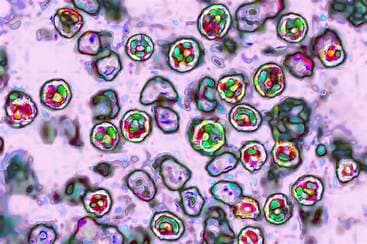
Biologically, the ovary is a remarkable organ. From early development, it houses a finite reserve of primordial follicles — the source of every egg a woman will ever have. This reserve begins life in the womb and peaks in mid-gestation before declining steadily over the years, eventually dwindling as menopause approaches. The pace and pattern of this decline influence not only fertility, but broader aspects of physiological aging.
That reproductive narrative, while foundational, only hints at the ovary’s broader significance. Ovaries are also endocrine powerhouses, producing hormones such as estrogen and progesterone that influence not just the menstrual cycle, but heart health, bone density, brain function and more. When these hormonal signals fade — as they inevitably do at menopause — the effects are immediate and wide-ranging. Research shows that declines in ovarian hormone production correlate with shifts in cardiovascular risk, bone health, metabolic function and even cognitive aging.
This hormonal influence helps explain why the ovary’s impact is felt long before fertility becomes a personal issue for many women. Estrogen and related hormones help regulate bodily systems that interact with mood, energy, immunity and even the way the body responds to stress. In other words, the ovary plays a role in what scientists increasingly call healthspan — the period of life lived in good health — not just in fertility span.
Some medical discussions still treat the ovary primarily in reproductive terms, not appreciating its wider endocrine and systemic contributions. That narrow view can influence how conditions like premature ovarian insufficiency (POI) or polycystic ovary syndrome (PCOS) are understood and managed, even though these conditions affect not just fertility but metabolic health, psychological well-being and long-term disease risk.
To be clear, respect for the ovary doesn’t mean reducing women to their reproductive organs — far from it. It means integrating a fuller view of these organs into healthcare, research and public discourse. It means acknowledging that the rhythms of ovarian hormone production shape female biology in ways that matter from adolescence through menopause and beyond. And it means listening to women’s lived experiences, not just textbook definitions.
In recent years, clinicians have begun talking about ovarian health not just in terms of fertility, but in terms of whole-body health. From fertility clinics that evaluate ovarian reserve as part of broader health planning, to endocrinologists exploring hormone replacement strategies that support long-term well-being, the conversation is broadening. This shift invites us all — patients, providers and society alike — to see the ovary not as a narrow symbol of reproduction but as a key participant in health across the lifespan.
Respect isn’t merely sentiment; it’s a call to better understanding, better care and better outcomes. In honoring the ovary with the attention its functions merit, we take a step toward more nuanced and equitable health narratives — ones that reflect the full complexity of the human body and the lives it sustains.
AI Image Disclaimer Visuals are AI-generated illustrations, intended for representation, not real photographs.
Sources Open Access Government National Geographic Alodokter Human Reproduction Update
Published by Banx Network. This article is part of the Banx decentralized media programme, powered by the BXE token on the XRP Ledger.