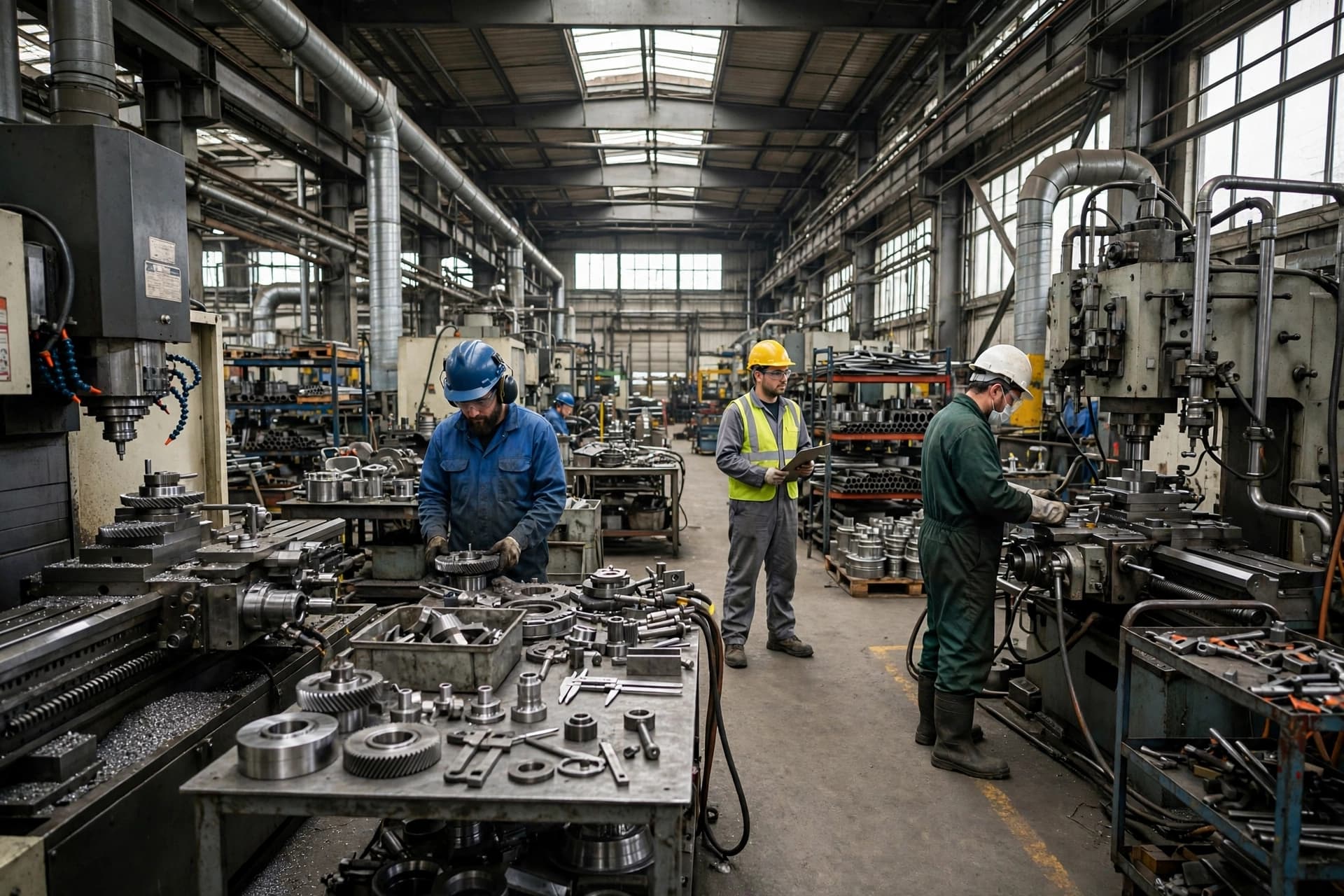
In the industrial towns that line Canada’s southern edge, morning still arrives with the echo of machinery. The rhythm is familiar—shift changes, the low hum of assembly lines, the long roads that lead toward a border once treated less as a boundary than a seam. For decades, Canada’s auto industry has lived comfortably in that in-between space, its fortunes braided tightly with those of the United States. Now, the cadence is changing.
This week, Canada unveiled a new plan for its auto sector, signaling a deliberate turn toward greater independence from U.S.-centered supply chains. The announcement was practical in tone, rooted in investment and policy, yet its implications stretch further, touching questions of identity, resilience, and the quiet recalibration of economic relationships.
The plan emphasizes domestic production, electrification, and a more self-contained ecosystem—from battery manufacturing to critical minerals and advanced components. It reflects an understanding that the global auto industry is entering a long transition, one shaped by electric vehicles, climate commitments, and geopolitical uncertainty. In that landscape, reliance on a single partner, however close, carries new risks.
Canada’s auto sector has long benefited from cross-border integration, built on agreements that allowed parts and vehicles to move with ease. But recent years have introduced friction: differing industrial subsidies, evolving trade priorities, and a U.S. policy environment increasingly focused inward. Ottawa’s response is not framed as retreat, but as preparation—an effort to ensure that Canadian plants remain competitive even as the old assumptions loosen.
The plan arrives alongside promises of public support and private investment, aimed at anchoring jobs and expertise at home. Battery plants, retooled factories, and training programs feature prominently, offering a vision of continuity through change. Yet the shift is not without tension. Building capacity takes time, and markets remain intertwined. The border may be less central than before, but it does not disappear.
What stands out is the tone of resolve. Canada’s approach suggests a willingness to accept short-term complexity for long-term stability, to trade seamless integration for a measure of autonomy. It is a careful move, mindful of history yet alert to a future where industrial strength is measured not only by volume, but by adaptability.
As the day fades in those factory towns, the roads remain busy, carrying parts, people, and possibility. Some still lead south, as they always have. Others are being drawn anew, pointing inward and outward at once. Canada’s auto plan does not sever old ties, but it redraws the map—quietly, deliberately—inviting an industry to imagine itself on broader terms.
AI Image Disclaimer Illustrations were created using AI tools and are not real photographs.
Sources Reuters Bloomberg Financial Times Globe and Mail Associated Press
Published by Banx Network. This article is part of the Banx decentralized media programme, powered by the BXE token on the XRP Ledger.