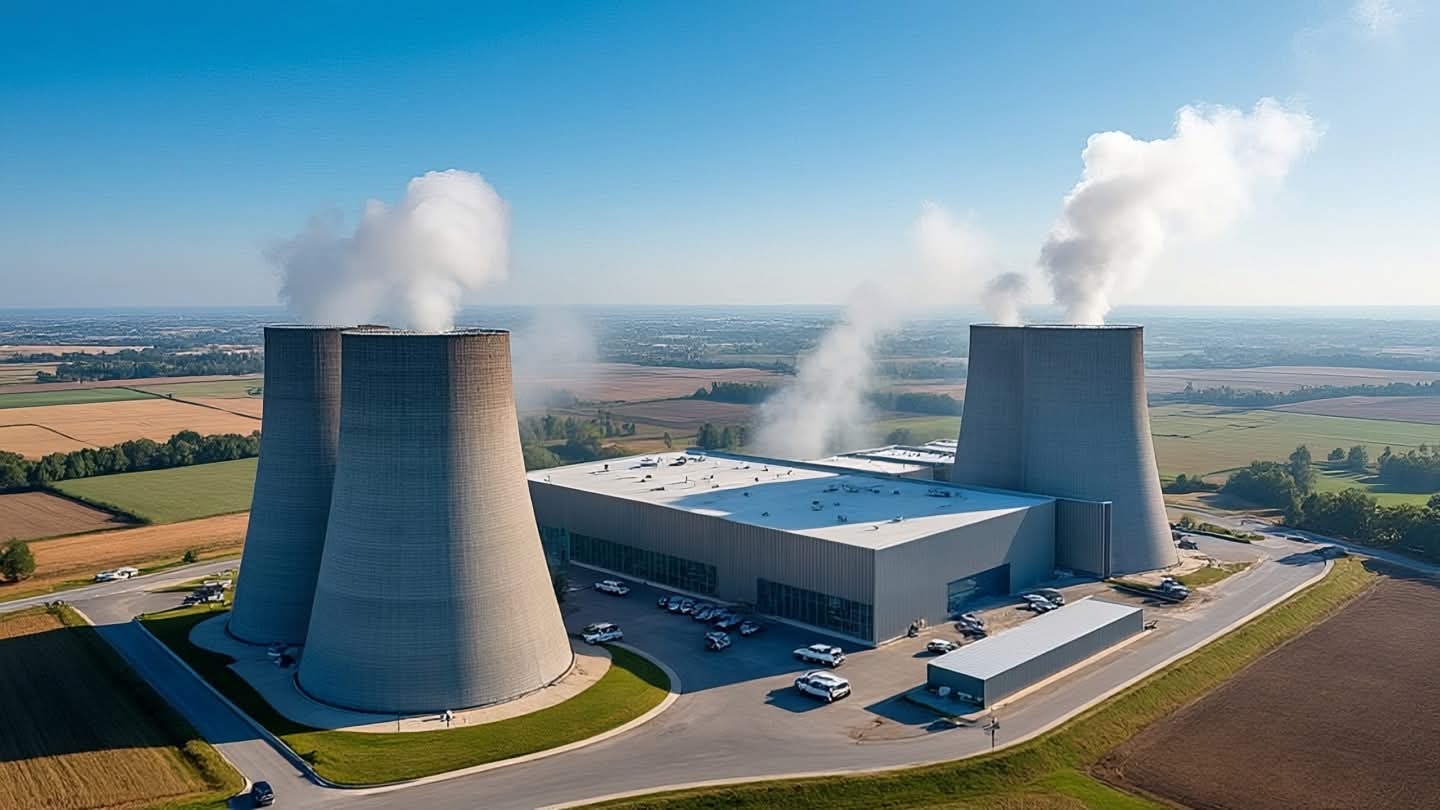
In the quiet corners of American suburbs and rural towns, a new kind of neighbor has arrived, one that does not sleep, does not speak, but consumes vast amounts of resources. Data centers, the silent engines of the digital age, have become a flashpoint for local opposition, revealing a deep-seated anxiety about the cost of progress. As communities push back against these massive structures, it becomes clear that their resistance is not just about technology, but about the preservation of their way of life.
Recent surveys indicate that a significant majority of Americans oppose the construction of AI data centers in their local areas. This opposition is driven by a combination of factors, including concerns over rising electricity costs, excessive water usage, and the environmental impact of these facilities. For many voters, the promise of economic growth is outweighed by the tangible threats to their utilities and natural resources.
The noise pollution generated by cooling systems is another major grievance, with residents describing a constant hum that disrupts the tranquility of their homes. Unlike traditional factories, data centers operate continuously, creating a persistent backdrop of sound that can affect sleep and quality of life. This sensory intrusion is often cited as a primary reason for local resistance, highlighting the human cost of digital infrastructure.
Property values are also a concern, with homeowners fearing that the presence of a data center will make their neighborhoods less desirable. The visual impact of these large, windowless buildings can alter the character of a community, replacing green spaces with industrial sprawl. For many, this represents a loss of identity and a shift toward a more impersonal landscape.
Environmental advocates point to the carbon footprint of data centers, which require immense amounts of energy to power and cool. As the demand for AI and cloud services grows, so does the strain on local power grids, raising fears of blackouts and higher bills. This connection between personal convenience and collective cost is a key driver of public skepticism.
Despite these concerns, tech companies argue that data centers bring jobs and investment to local economies. However, critics contend that the benefits are often overstated, while the drawbacks are long-lasting and difficult to mitigate. The debate reflects a broader tension between global technological advancement and local well-being.
Community organizers have begun to mobilize, attending town halls and filing lawsuits to block new projects. Their efforts highlight the power of grassroots activism in shaping the future of development. It is a testament to the desire for democratic control over local environments.
The opposition to data centers is a complex mix of environmental, economic, and social concerns. As the digital economy expands, finding a balance between innovation and community health remains a critical challenge for policymakers and developers alike.
AI Image Disclaimer: The visual materials associated with this article are AI-generated and serve as illustrative aids rather than factual documentation.
Sources: Gallup NPR Harvard Gazette Searchlight Institute
Published by Banx Network. This article is part of the Banx decentralized media programme, powered by the BXE token on the XRP Ledger.

.jpg&w=3840&q=75 "The Artemis Revolution: How NASA Plans to Build Humanity's Future on the Moon")