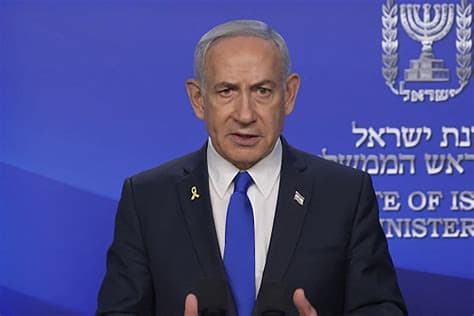
In the high-stakes arena of international diplomacy, agreements are often fragile things, built on compromise and mutual trust. Recently, Israeli Prime Minister Benjamin Netanyahu publicly rejected a U.S.-backed plan for Gaza, which proposed simultaneous Hamas disarmament and Israeli withdrawal. This decision marks a significant divergence between Jerusalem and Washington, highlighting the deep complexities of the conflict. It is a moment of political realism, where security concerns outweigh diplomatic pressure, reminding us that peace is not just a document but a lived reality for those on the ground. The rejection underscores the challenges of finding a path forward in a region scarred by decades of violence.
The plan, reportedly consisting of 15 points, aimed to create a framework for ending the war and establishing a new governance structure for Gaza. It called for Hamas to lay down its arms in exchange for a phased Israeli military withdrawal. Proponents argued that this synchronized approach was the only way to ensure stability and prevent a power vacuum. However, Netanyahu stated that Israel would not withdraw until Hamas was fully disarmed, rejecting the idea of a parallel timeline. He emphasized that security guarantees must be absolute before any troop movement occurs.
This stance reflects the deep skepticism within the Israeli government regarding Hamas’s intentions. Past experiences have shown that ceasefires can be used by militant groups to rearm and regroup. For many Israelis, the memory of previous conflicts makes the prospect of withdrawing while Hamas remains intact unacceptable. The prime minister’s statement resonates with a public weary of war but unwilling to compromise on long-term safety. It is a position rooted in historical trauma and strategic caution.
The U.S. response has been one of disappointment but continued engagement. American officials emphasize that the plan remains the best available option for achieving lasting peace. They urge both sides to return to the negotiating table, highlighting the humanitarian crisis in Gaza and the need for reconstruction. The diplomatic effort continues, though the path is now more uncertain. The role of regional partners, such as Egypt and Qatar, remains crucial in mediating discussions.
International reactions have been mixed, with some allies supporting Israel’s security concerns and others calling for flexibility. The United Nations has reiterated the need for a two-state solution and the protection of civilian lives. Humanitarian organizations warn that prolonged conflict exacerbates suffering and hinders recovery. The global community watches closely, hoping for a breakthrough that can bring relief to millions.
For the people of Gaza, the political stalemate means continued hardship. Access to aid, rebuilding homes, and restoring normalcy remain distant goals. The rejection of the plan delays these processes, leaving communities in limbo. The human cost of diplomatic impasses is measured in daily struggles and lost opportunities. It is a reminder that behind every policy decision are real lives affected by the outcome.
Netanyahu’s rejection of the Trump-backed Gaza plan highlights the enduring challenges of the conflict. As diplomatic efforts continue, the focus remains on finding a secure and sustainable solution. The hope is for a future where peace is not just a possibility but a reality for all involved.
AI Image Disclaimer: Visuals associated with this article are AI-generated to illustrate the themes of politics and diplomacy.
Sources: The Washington Post The New York Times Reuters
Published by Banx Network. This article is part of the Banx decentralized media programme, powered by the BXE token on the XRP Ledger.


.jpg&w=3840&q=75 "EU Gambling Levy Omitted From Irish MFF Budget Draft, but Remains Under Discussion")