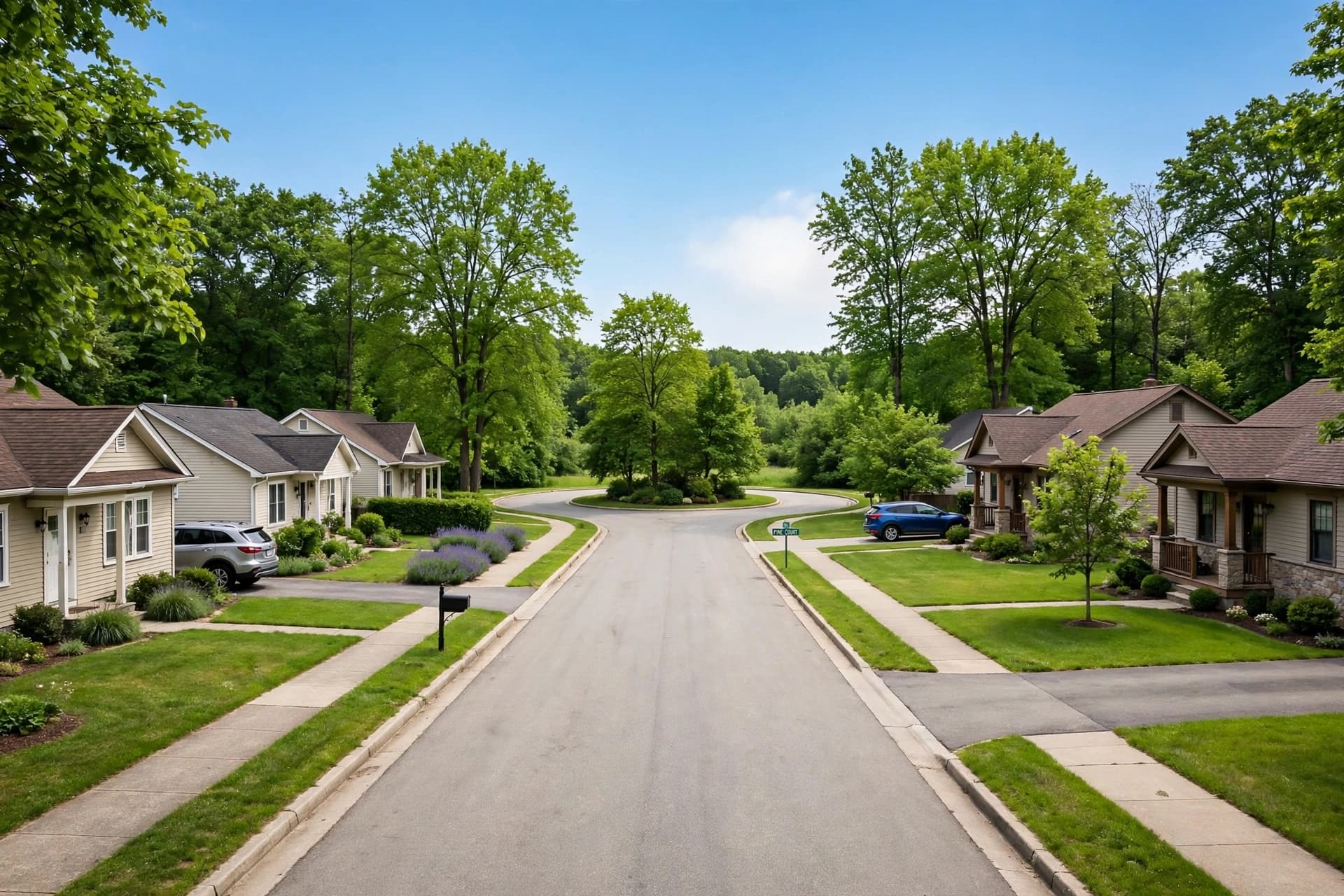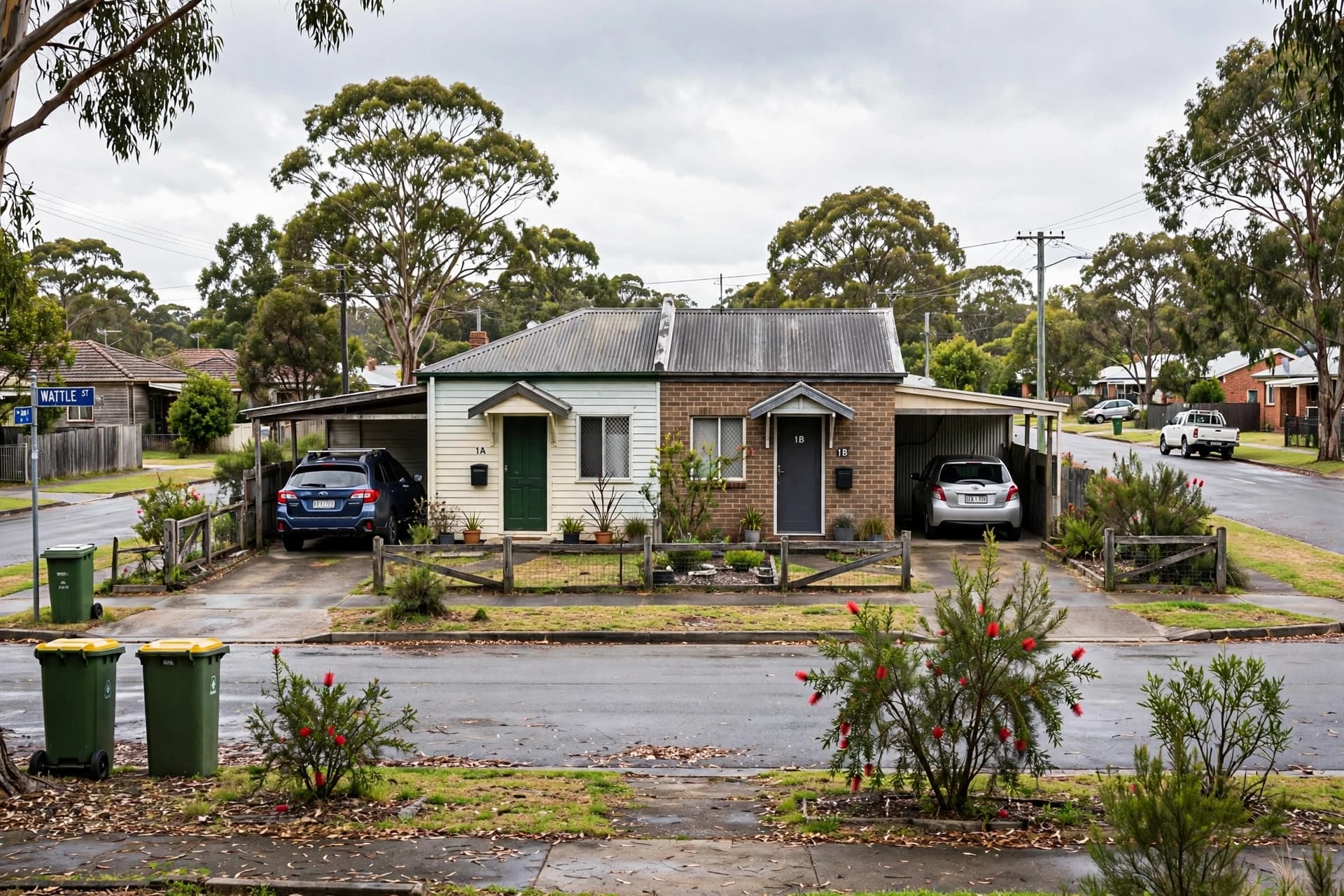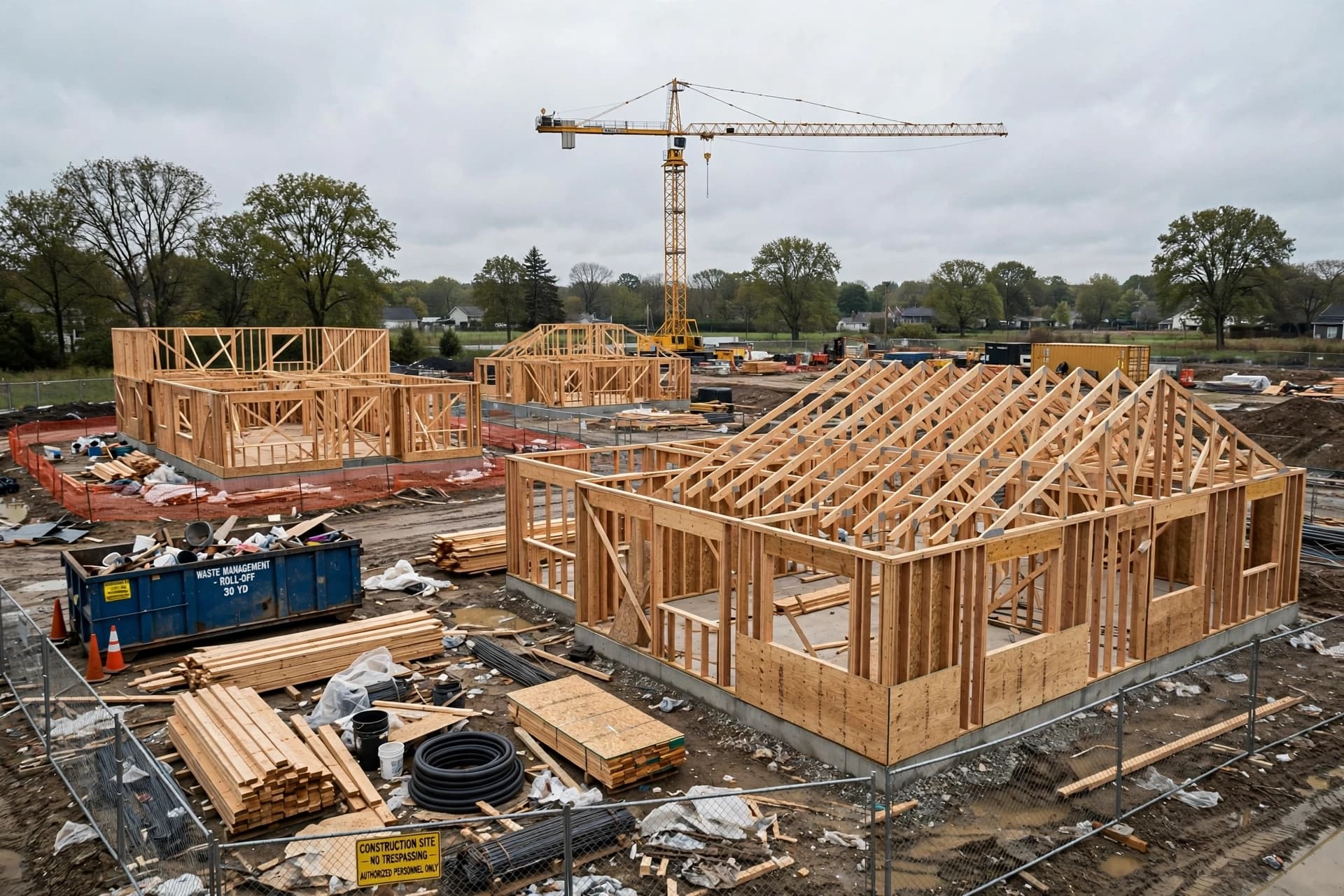
There is a particular kind of arithmetic that governs the housing market, and it is not always kind. The numbers speak of demand that continues to rise, of population growth that outpaces construction, of a gap that widens with each passing quarter. And yet, the developers who might close that gap are not building. This is not a matter of unwillingness but of a cold and unyielding equation: when the cost of construction exceeds the return on investment, projects do not proceed, regardless of how great the need may be.
Australia’s housing crisis has been well documented, but the mechanics of why it persists are less often examined. The Urban Development Institute of Australia (UDIA) has projected a shortfall of three hundred and eighty thousand homes by 2030, with new dwelling production expected to fall a further eleven percent in 2026 . Construction costs have risen more than fifty-one percent since 2019, and the national housing market’s performance remains below average, weighed down by high costs and supply-side constraints . The picture is not one of a market that has failed but of a market that is functioning exactly as its inputs dictate.
The developers’ position is straightforward, even if uncomfortable to hear. Stuart Penklis, head of development at Mirvac, warned that supply is “going to fall off a cliff in the next six months,” particularly for smaller developers reliant on private credit . Nerida Conisbee, chief economist for the Ray White Group, described the construction landscape as “dire,” noting labor shortages, rising material costs, and infrastructure competition . For first-home buyers, the consequence flows through to affordability: even as affordability appears to improve, prices are expected to move in the opposite direction .
The alternative housing sector—build-to-rent, community housing, and other models outside the traditional developer-led paradigm—offers a partial answer but not a complete one. These models can deliver housing where the private market will not, often with longer time horizons and different financial structures. But they face the same fundamental constraints: land costs, construction costs, and the difficulty of achieving scale. No amount of alternative financing can make a project viable if the underlying economics remain inverted.
The policy response has been to set targets, most notably the National Housing Accord’s promise of one point two million new homes by the end of the decade. Yet the nation commenced fewer than two hundred thousand homes in the past twelve months, more than forty thousand short of the annual target, and experts now estimate that only nine hundred and thirty-eight thousand homes will be built by 2029 . HIA chief economist Tim Reardon noted that the nation is “now almost thirty percent below target” . The gap is not a matter of will but of arithmetic.
The deeper issue is that housing policy often treats supply as a function of planning systems and approvals, when in reality it is a function of feasibility. A rezoning is a line on a map; a home requires a builder who can turn a margin . When taxes, levies, and charges approach half the cost of a new Sydney house and land package, and when construction costs continue to climb, the margin disappears . Developers are not on strike; they can simply add up . And when they cannot add up to a profit, they do not build.
The hard truth about alternative housing, then, is not that it cannot work but that it cannot work alone. It can fill gaps, serve niches, and provide pathways that the market overlooks. But it cannot substitute for a functioning market any more than a lifeboat can substitute for a ship. The solution, if one exists, lies not in choosing between developers and alternatives but in addressing the cost structures that make both difficult. Until that happens, the arithmetic will continue to speak, and the houses will continue not to be built.
AI Image Disclaimer: The imagery in this article was generated by artificial intelligence and is provided for illustrative purposes only.
Sources:
· Allhomes · UDIA Housing Index · Realestate.com.au · NSW Parliament Hansard · Elite Agent
Published by Banx Network. This article is part of the Banx decentralized media programme, powered by the BXE token on the XRP Ledger.