The history of science has always been shaped by new tools. From the invention of the printing press to the arrival of powerful computers, each technological advance has quietly changed how knowledge is created and shared. Today, generative artificial intelligence has become part of that continuing story. A new study suggests that these emerging tools may be contributing to an increase in solo-authored scientific papers, prompting researchers to examine how technology is influencing modern academic publishing.
The research explores publication patterns across scientific disciplines, comparing recent trends with historical records. According to the study, the availability of generative AI systems may enable individual researchers to complete tasks that previously required larger teams or additional editorial support. These tasks can include drafting text, summarizing literature, organizing information, and improving language clarity, although researchers remain responsible for verifying accuracy and scientific integrity.
The study does not conclude that artificial intelligence has replaced collaboration. Instead, it suggests that AI may reduce some practical barriers associated with preparing manuscripts. As a result, some scientists may feel more capable of independently completing research papers while continuing to seek collaboration for experimental work, data collection, peer review, and specialized expertise.
Researchers emphasize that authorship remains governed by established academic standards. Major scientific publishers and research institutions generally require that listed authors make meaningful intellectual contributions and accept responsibility for the accuracy of published work. AI systems are recognized as tools rather than authors and cannot assume accountability for scientific findings.
The growing use of generative AI has also encouraged journals and universities to develop clearer policies regarding disclosure and responsible use. Many publishers now recommend that researchers identify when AI-assisted writing tools have been used during manuscript preparation. Transparency, according to editors and research organizations, helps maintain trust in the scientific record while allowing beneficial technologies to support scholarly communication.
The study also highlights important differences across disciplines. Fields involving extensive laboratory work, large-scale clinical studies, or international collaborations continue to rely heavily on teams of researchers. In contrast, theoretical research, computational analysis, and review articles may be more likely to benefit from AI-assisted workflows that enable individual researchers to manage a greater share of the writing process.
Experts caution that publication trends should be interpreted carefully. An increase in solo-authored papers may reflect multiple factors beyond artificial intelligence, including changing funding structures, digital research tools, evolving publication practices, and broader shifts in academic culture. The researchers therefore describe AI as one contributing factor rather than the sole explanation for recent patterns.
As generative AI continues to evolve, universities, publishers, and scientists are expected to refine best practices that balance innovation with academic integrity. The study concludes that while AI may reshape aspects of scholarly writing, the principles of transparency, rigorous peer review, and responsible research remain central to maintaining confidence in scientific knowledge.
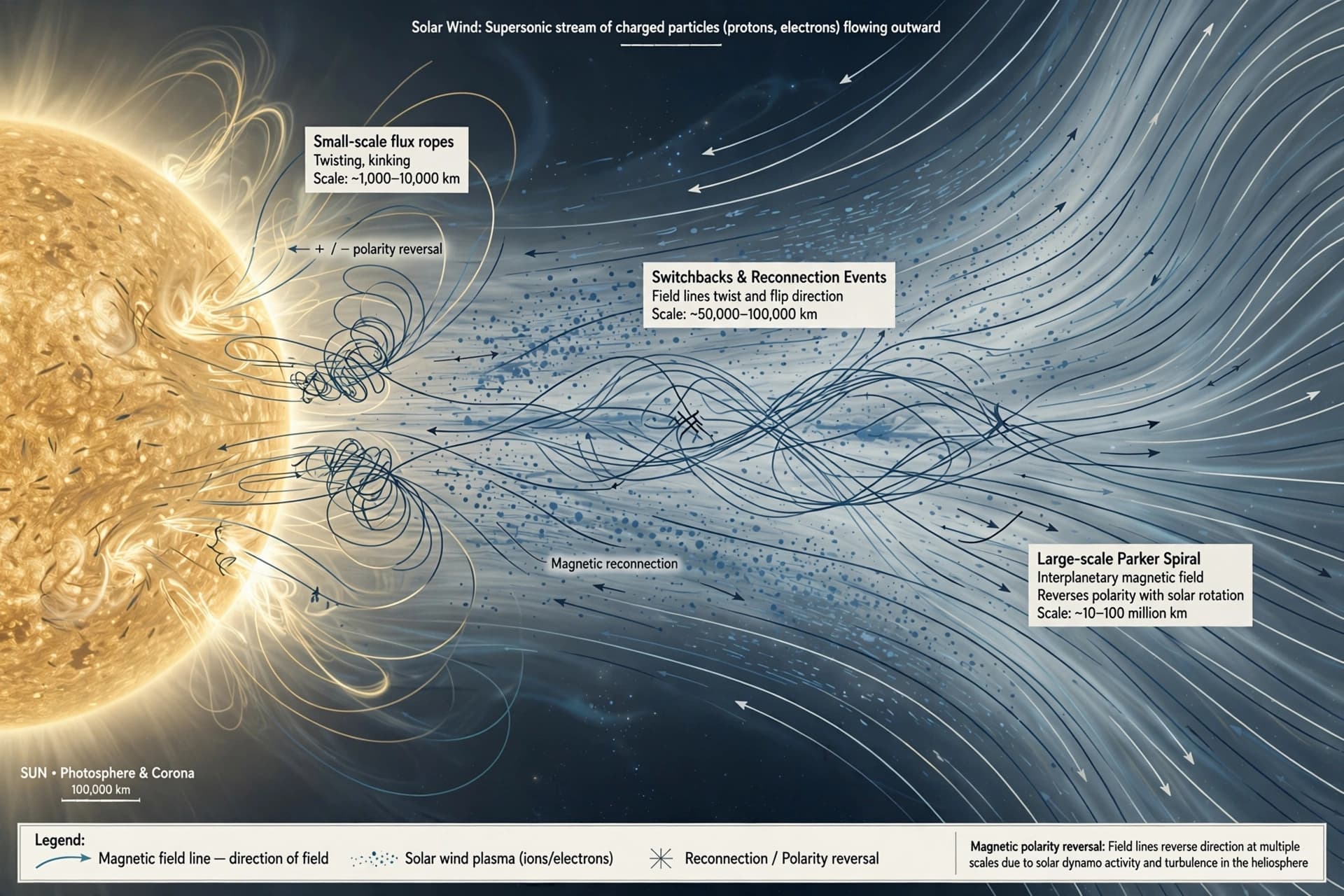
AI Image Disclaimer: The visuals accompanying this article were created using artificial intelligence to illustrate the topic and do not depict actual researchers or publishing events.
Sources (verified): Nature, Science, arXiv, Springer Nature, Elsevier
Published by Banx Network. This article is part of the Banx decentralized media programme, powered by the BXE token on the XRP Ledger.