For centuries, humanity has looked toward the cosmos with a mixture of wonder and curiosity. The universe often appears tranquil from afar, yet beneath that calm facade lies a constantly shifting tapestry of particles, energy, and motion. Understanding these hidden dynamics remains one of science's most enduring pursuits.
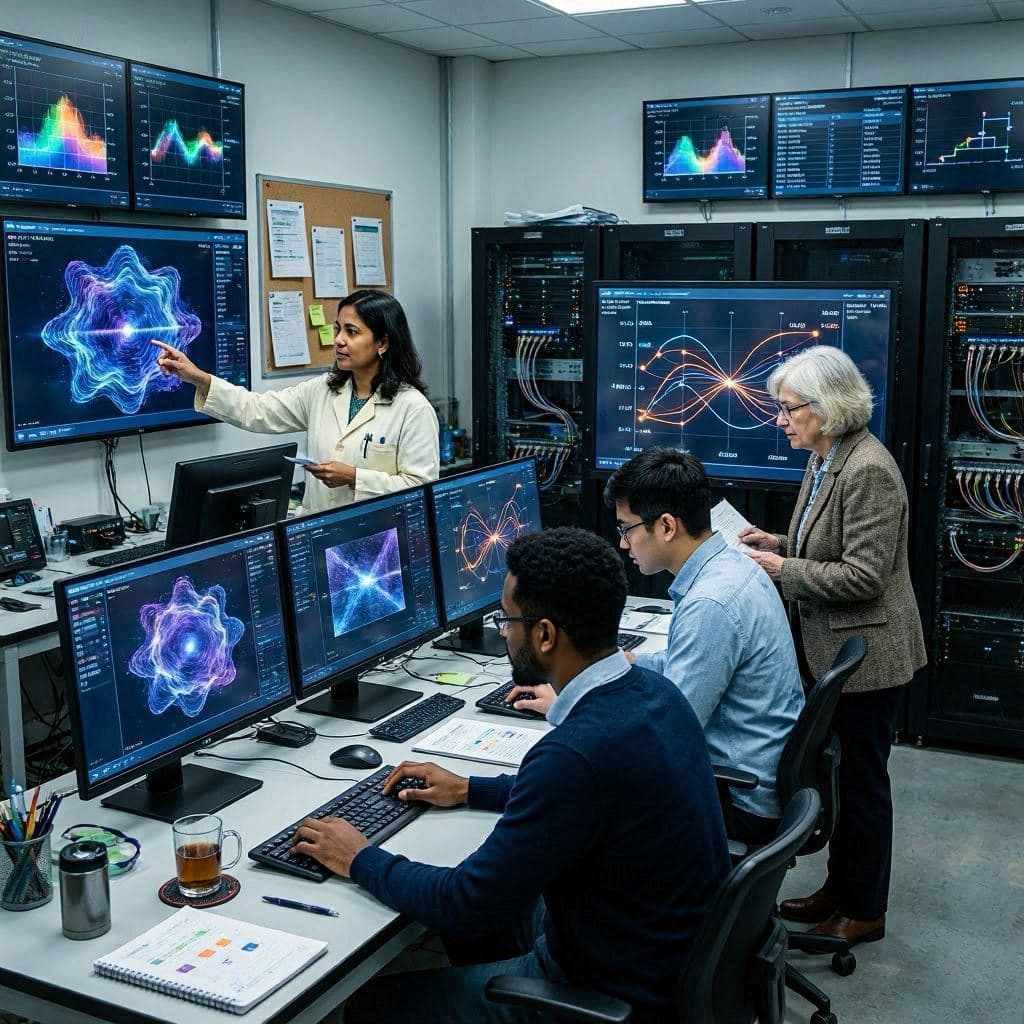
Researchers have recently introduced a new computational approach designed to simulate dynamic fluctuations across complex physical systems. The method aims to improve scientists' ability to study processes that evolve rapidly over time, ranging from subatomic interactions to large-scale cosmic phenomena.
Traditional simulations often require immense computational resources, particularly when modeling systems where countless variables interact simultaneously. Even with modern supercomputers, accurately reproducing these processes can be challenging due to the enormous volume of calculations involved.
The newly proposed technique seeks to address these limitations by refining how fluctuations are represented mathematically. According to researchers, the approach allows simulations to capture important physical behaviors while reducing computational complexity.
Scientists believe such advances could prove valuable in several fields, including cosmology, particle physics, condensed matter physics, and materials science. More efficient simulations may enable researchers to test theories and interpret observational data with greater precision.
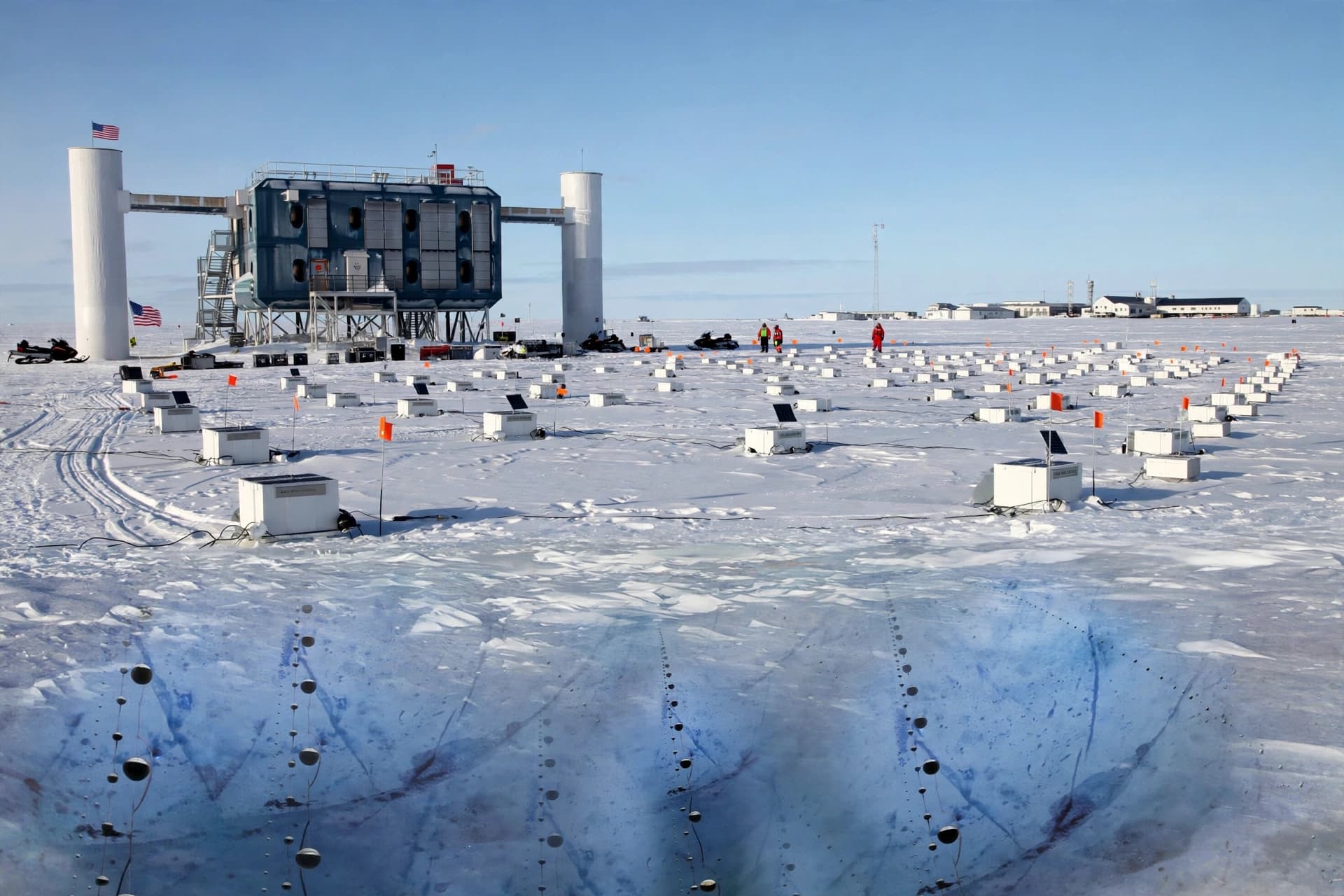
Modern astronomy increasingly relies on computational modeling to complement observational discoveries. Telescopes and particle detectors generate vast quantities of information, and advanced simulations help scientists understand how those observations fit within existing theoretical frameworks.
Experts caution that new computational methods must undergo extensive peer review and validation before becoming widely adopted. Independent testing by the broader scientific community remains an essential part of establishing reliability and confirming performance.
Even so, the development highlights how progress in science often depends not only on new instruments, but also on new ways of thinking mathematically. As computational capabilities continue to evolve, researchers may gain increasingly detailed insights into the dynamic nature of the universe.
AI Image Disclaimer: The images used alongside this article are AI-generated visual interpretations intended for scientific illustration.
Sources: arXiv, ScienceDaily, Nature Physics, Reuters, American Physical Society
Published by Banx Network. This article is part of the Banx decentralized media programme, powered by the BXE token on the XRP Ledger.