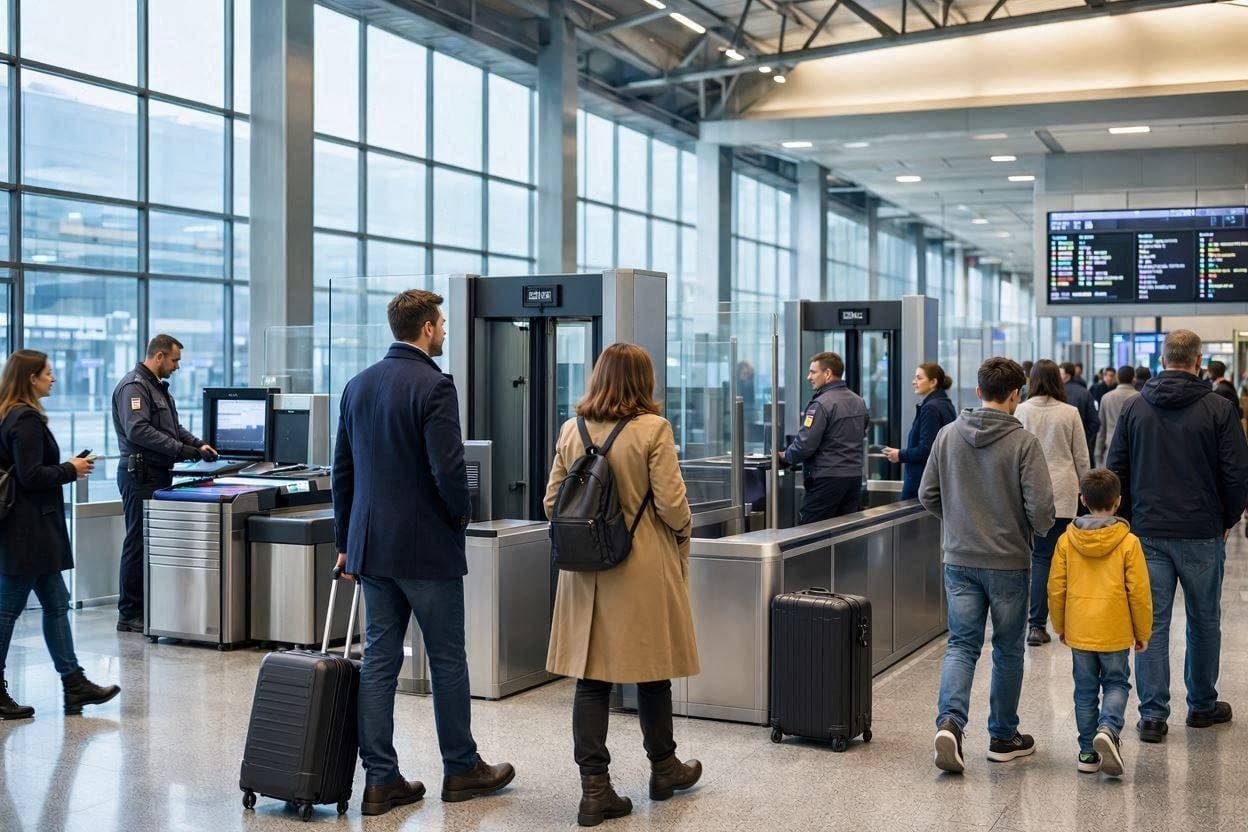
In the bustling terminals of America’s airports, where travelers from around the world converge with hopes and dreams, a new reality is unfolding for some. Immigration and Customs Enforcement (ICE) agents have significantly increased arrests at major airports, marking a strategic expansion in the government’s deportation efforts. This shift has raised concerns among civil rights advocates and immigrant communities, who fear that places of transit are becoming sites of enforcement. For those caught in this net, the experience is disorienting and frightening, inviting reflection on the balance between national security and humane treatment.
The surge in airport operations highlights the evolving tactics of immigration enforcement. It serves as a reminder of the complex legal and ethical questions surrounding deportation policies.
Body: Recent data shows a marked increase in the number of individuals detained by ICE at airports across the country. These operations often target individuals with final removal orders or those who have re-entered the country illegally. Agents are stationed at checkpoints and gates, identifying suspects through databases and surveillance. The efficiency of these arrests has led to a higher volume of deportations in a shorter timeframe.
For immigrants, even those with pending legal cases, the presence of ICE at airports creates a climate of fear. Many are hesitant to travel, even for essential reasons such as medical care or family emergencies. Legal experts advise caution, noting that airports are considered federal spaces where enforcement powers are broad. This uncertainty disrupts lives and separates families.
Civil rights organizations have criticized the tactic, arguing that it undermines trust in public institutions and discourages cooperation with law enforcement. They contend that targeting airports, which are essential for commerce and connectivity, has disproportionate effects on minority communities. Advocates are calling for clearer guidelines and greater transparency in enforcement procedures.
The Department of Homeland Security defends the operations as necessary for maintaining border security and enforcing immigration laws. Officials state that the focus is on individuals who pose a threat to public safety or have violated court orders. However, critics argue that the net is cast too wide, catching low-level offenders and asylum seekers alike.
Airport authorities have expressed mixed reactions. While they cooperate with federal agencies, they are also concerned about the impact on passenger experience and international reputation. Some airports have implemented policies to limit enforcement activities in certain areas, but federal jurisdiction often supersedes local rules.
Legal challenges are emerging as detainees contest their arrests in court. Lawyers argue that some operations lack probable cause or violate due process rights. These cases may set important precedents for how immigration enforcement is conducted in public spaces. The outcome will influence future policy and practice.
Community support networks are expanding to assist those affected. Know-your-rights workshops, legal aid clinics, and emergency funds are being organized to help immigrants navigate the system. These efforts highlight the resilience and solidarity of immigrant communities in the face of adversity.
As the debate continues, the human cost of these policies remains central. Stories of separated families and disrupted lives underscore the need for comprehensive immigration reform. A balanced approach that respects both law and dignity is essential.
Closing: The surge in ICE arrests at airports marks a significant shift in deportation strategy. It invites a deeper dialogue on immigration enforcement, civil rights, and the humanitarian implications of current policies.
AI Image Disclaimer: The visuals in this article are AI-generated illustrations designed to reflect the themes of immigration enforcement and travel.
Sources: Associated Press Reuters NBC News American Immigration Council
Published by Banx Network. This article is part of the Banx decentralized media programme, powered by the BXE token on the XRP Ledger.