In the quiet corners of human history, certain rituals have persisted, binding communities through shared sensory experiences. One such practice involves the betel nut, a small seed that has long been chewed for its mild stimulant effects across Asia and the Pacific. For years, historians traced this tradition back only a few millennia. However, recent archaeological discoveries have pushed these origins deeper into the past, revealing that our ancestors sought altered states of consciousness far earlier than previously imagined. This finding invites us to reconsider the deep-rooted human desire for mental elevation and social connection.
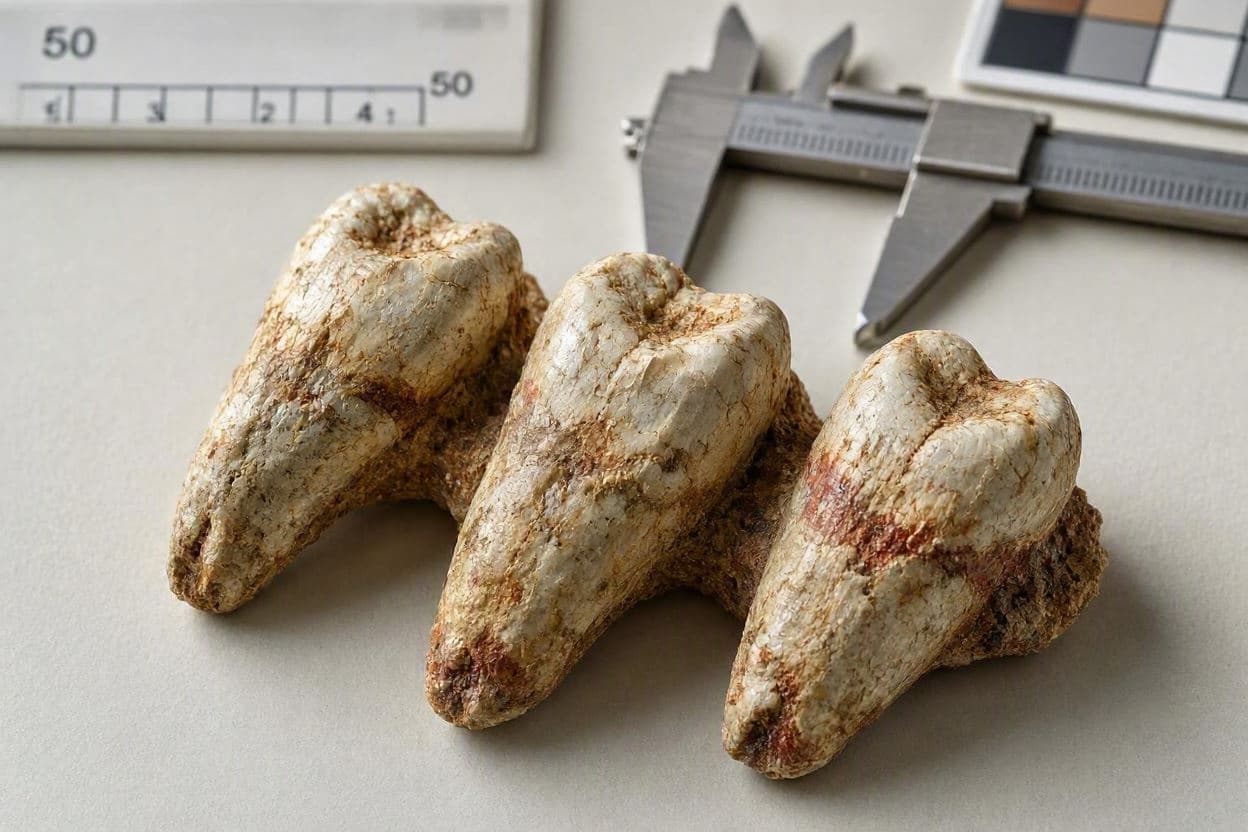
The new evidence comes from fossilized dental calculus found on ancient teeth in Sulawesi, Indonesia. By analyzing the microscopic remnants trapped in this hardened plaque, scientists identified biomarkers specific to the areca palm, the source of betel nuts. These chemical signatures date back as far as 25,000 years, placing the practice firmly in the Ice Age. This discovery suggests that the use of psychoactive substances is not merely a product of complex agricultural societies but may have emerged among early forager communities as well.
The implications of this finding are profound. It challenges the notion that drug use is a modern or even historically recent phenomenon tied to urbanization. Instead, it points to a fundamental aspect of human behavior: the quest to modify one’s mental state. Whether for ritualistic purposes, social bonding, or simple relief from the hardships of daily life, the act of chewing betel nut provided a consistent, accessible means of achieving a mild euphoria or heightened alertness. This continuity underscores a shared biological and psychological heritage among humans across time.
Betel nut consumption typically involves wrapping the areca nut in a leaf from the betel pepper plant, often with added slaked lime. This combination releases alkaloids that stimulate the central nervous system, producing effects similar to caffeine or nicotine. The red stain left on the teeth and lips of users has become a cultural marker in many societies, symbolizing hospitality, status, or maturity. Finding this practice in the archaeological record allows us to see beyond the physical remains of bones and tools to the intangible cultural practices that defined daily life.
The preservation of these biomarkers in dental calculus is a testament to the advancements in bioarchaeology. Traditional methods relied on finding actual nut shells or leaves, which rarely survive in tropical climates due to rapid decomposition. Chemical analysis, however, can detect traces of consumption even when physical evidence has vanished. This technique opens new avenues for understanding diet, health, and cultural practices in prehistoric populations, offering a more nuanced view of their lives.
Furthermore, the widespread nature of betel nut use today, ranking it as one of the most commonly used psychoactive substances globally, highlights its enduring appeal. The ancient origins discovered in Sulawesi suggest that this appeal is not accidental but deeply embedded in human history. As trade routes expanded over thousands of years, the practice spread from its likely origins in Island Southeast Asia to mainland Asia and the Pacific, adapting to local customs while retaining its core function.
This discovery also prompts reflection on how we view substance use in historical contexts. Rather than judging it through a modern lens of addiction or health risk, we can appreciate it as a complex social tool. In many traditional societies, the sharing of betel quid is a gesture of peace and friendship, a way to bridge differences and foster community. Understanding its ancient roots helps us appreciate the depth of these social rituals and their role in maintaining social cohesion.
The identification of 25,000-year-old betel nut use marks a significant milestone in our understanding of human cultural evolution. It reveals that the pursuit of altered consciousness is an ancient and universal trait. As research continues, we may uncover more about how these early practices shaped social structures and individual identities, reminding us that the human experience has always been enriched by both the tangible and the intangible.
AI Image Disclaimer: Please note that any accompanying visuals are AI-generated interpretations designed to illustrate the scientific concepts discussed.
Sources: Science Advances The Conversation Science Daily Popular Archaeology
Published by Banx Network. This article is part of the Banx decentralized media programme, powered by the BXE token on the XRP Ledger.