There is a moment in any protest when the line between anger and destruction becomes impossible to see—when the tools of expression are no longer signs or chants but fire and projectiles, and the demand for change is drowned out by the sound of things breaking. In France this week, that moment arrived with a video that spread across social media and triggered widespread horror: a masked individual aiming a makeshift flamethrower—an aerosol can and a lighter—directly into the face of a woman during a street confrontation in Marseille. The woman had been protesting against acts of vandalism, moving a barrier, when the flame was directed at her. She has filed a complaint; her condition remains unknown .
The protests began peacefully enough, rooted in grievances that many in France recognize as legitimate. Students have complained of overcrowded classrooms, chronic teacher shortages, crumbling school buildings, and temperatures in classrooms that reach unbearable levels during heatwaves. In Strasbourg, a seventeen-year-old named Raphael described schools with thirty-five students per class, leaking roofs, and inadequate facilities. “The building is falling apart, the cafeteria is too small,” he said. “Zero budget, zero resources, not enough supervisors” . Education Minister Edouard Geffray has acknowledged that some of the students’ demands are justified .
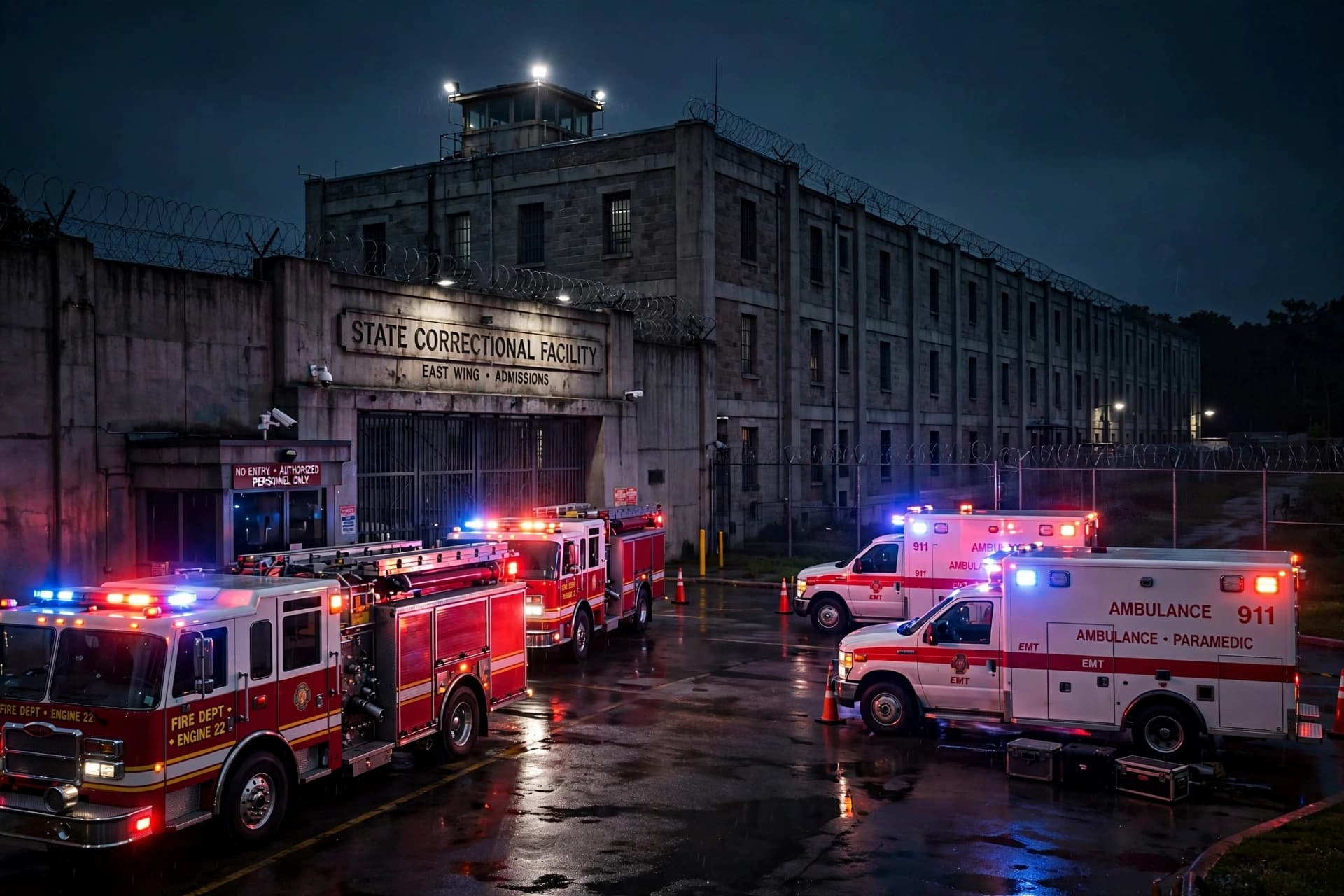
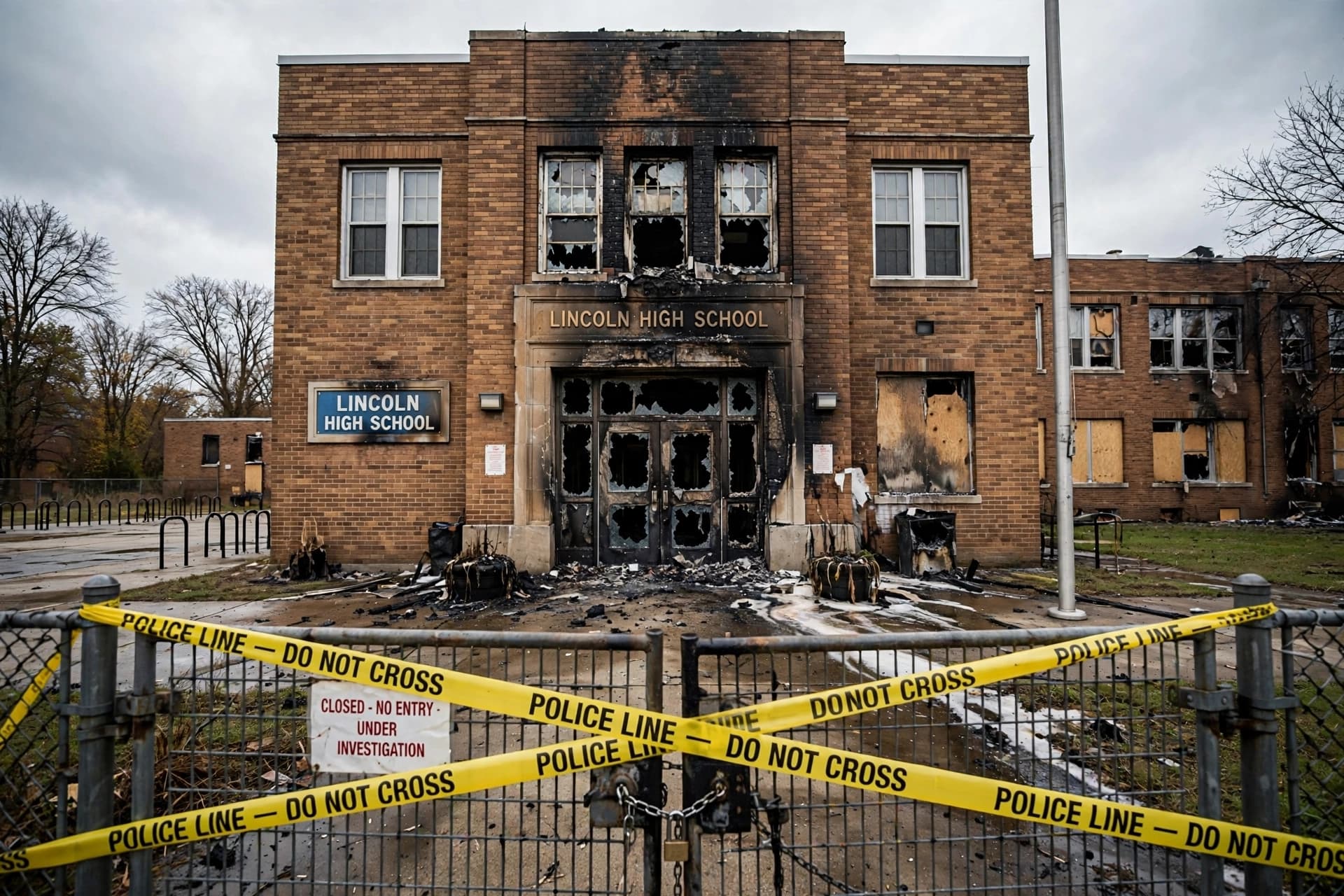
What began last week in the Paris region as blockades and demonstrations has since spread across the country and escalated into what the government now describes as “urban violence.” According to the Interior Ministry, 1,949 people were arrested on Thursday alone, bringing the cumulative total to nearly 3,000, most of them minors. More than 300 police officers were injured, along with 65 school staff members, including 40 headteachers. In Marseille, protesters surrounded a fire truck, forced firefighters to abandon it, and set the vehicle on fire. At another school, the principal and other staff were doused with petrol during an attempted arson attack. In Nantes, two high schools were set on fire; one will remain closed for a month due to the extent of the damage .
The government has blamed the escalation on radical groups, with Interior Minister Laurent Nunez stating that there is “nothing that justifies showing up at institutions to demonstrate, masked, with your face disguised, carrying projectiles, and waiting for the intervention of law enforcement just to go after them.” Officials from the hard-left party La France Insoumise have rejected accusations that they orchestrated the violence, with Jean-Luc Mélenchon calling on students to remain “cool-headed” and to use only nonviolent methods .
Prime Minister Sébastien Lecornu convened an emergency cabinet meeting and directed ministers to cancel travel plans. His office stated that the upsurge in violence was making it “virtually impossible to maintain the continuity of public education,” and more than 400 schools were closed on Friday, with many others switching to remote learning. All prefects have issued orders banning demonstrations near schools nationwide. The Auvergne-Rhône-Alpes region has estimated damages at between €25 million and €30 million .
Students and left-wing organizations have called for another round of mobilization on October 6, framing it as a response to police “repression.” The Interior Ministry has launched an internal investigation into allegations of excessive force against three students, including one who suffered a serious eye injury. For now, the schools remain closed, the streets remain tense, and the question that lingers is whether a movement that began with legitimate demands can reclaim its voice from the violence that has come to define it .
AI Image Disclaimer: All images in this article are AI-generated and are intended for illustrative purposes only.
Sources: Yeni Şafak, Daily Express, The Australian, Yonhap News, KBS, Anadolu Ajansı, Adnkronos, AKI Press
Published by Banx Network. This article is part of the Banx decentralized media programme, powered by the BXE token on the XRP Ledger.