There are some lives that seem to move in a straight line, and others that bend and break and reform into something stronger. Steph Hodgins-May's path to the deputy leadership of the Australian Greens was not a straight one. It was shaped by loss—first a mother taken by a tsunami, then a father killed by a driver under the influence of drugs—and by the gradual realization that the work she was doing had no meaning in a world that was burning. Now, at forty-one, the Victorian senator stands as the second-in-command of a party that has just elected a new leader, David Shoebridge, and has set its sights on the government of Anthony Albanese.
Hodgins-May was born in Ballarat, the daughter of a fifth-generation farmer and a school teacher. Politics was discussed at the dinner table; her father was an organic farmer, a local councillor, and later a mayor. She became a corporate lawyer, working in Melbourne, until a visit to Samoa in the aftermath of the 2009 tsunami changed everything. "I knew after the tsunami the livelihoods that had been absolutely destroyed, the people who'd lost their lives," she told The Guardian. "My work as a lawyer, sitting up at my desk on Bourke Street, felt suddenly just completely and utterly meaningless" .
She left law and went to New York, working as a support negotiator at the United Nations for AusAid, focusing on climate and food security in the Pacific. But returning home, she watched as the promises made on the international stage were "unraveled" by domestic politics. It was a 2003 video of Bob Brown confronting George W. Bush in parliament that finally drew her to the Greens. "The courage and conviction he had to stand up and shout at the leader of the free world out of our parliament, that gave me that spark," she said. "This isn't incrementalism. This is challenging power" .
Her political education came through four unsuccessful campaigns in two different federal seats. She ran in Ballarat in 2013, then in Port Melbourne in 2016, and twice against Labor's Josh Burns in the seat of Macnamara. In 2022, she won just under thirty percent of the primary vote, a swing of 5.5 percent toward her in a tight three-way contest. She entered parliament in 2024, replacing retiring senator Janet Rice .
In the Senate, she has made her mark on the gas tax campaign, pushing for a levy on the export of Australian gas that the Albanese government has repeatedly ruled out . The party's new leadership team—Shoebridge as leader, Hodgins-May as deputy—was announced on Wednesday, after Larissa Waters stepped down due to health issues. The joint ticket positions them as a challenge to both Labor and the surging One Nation party, with Hodgins-May saying she looked forward to "confronting the impending climate crisis that is here now" .
Former Greens leader Richard Di Natale, who met Hodgins-May on the campaign trail in 2013 and became a close friend, describes her as "warm, engaging, and with a sharp legal mind." Bob Brown, who urged her to take the Senate seat, says she brings "enormous integrity" to the party. "She's determined to not just take a seat, but to change things for the better for Australians," he said .
The road ahead will not be easy. The Greens face a political landscape in which Labor has ruled out the gas tax, the coalition opposes it, and One Nation is drawing voters with its own brand of anger . But Hodgins-May's life has prepared her for uphill fights. She has already suffered losses that would break many people, and she has emerged with a quiet, steely determination. Whether that determination can reshape Australian climate policy remains to be seen. But she is, as her colleagues describe her, not someone who walks away from a challenge.
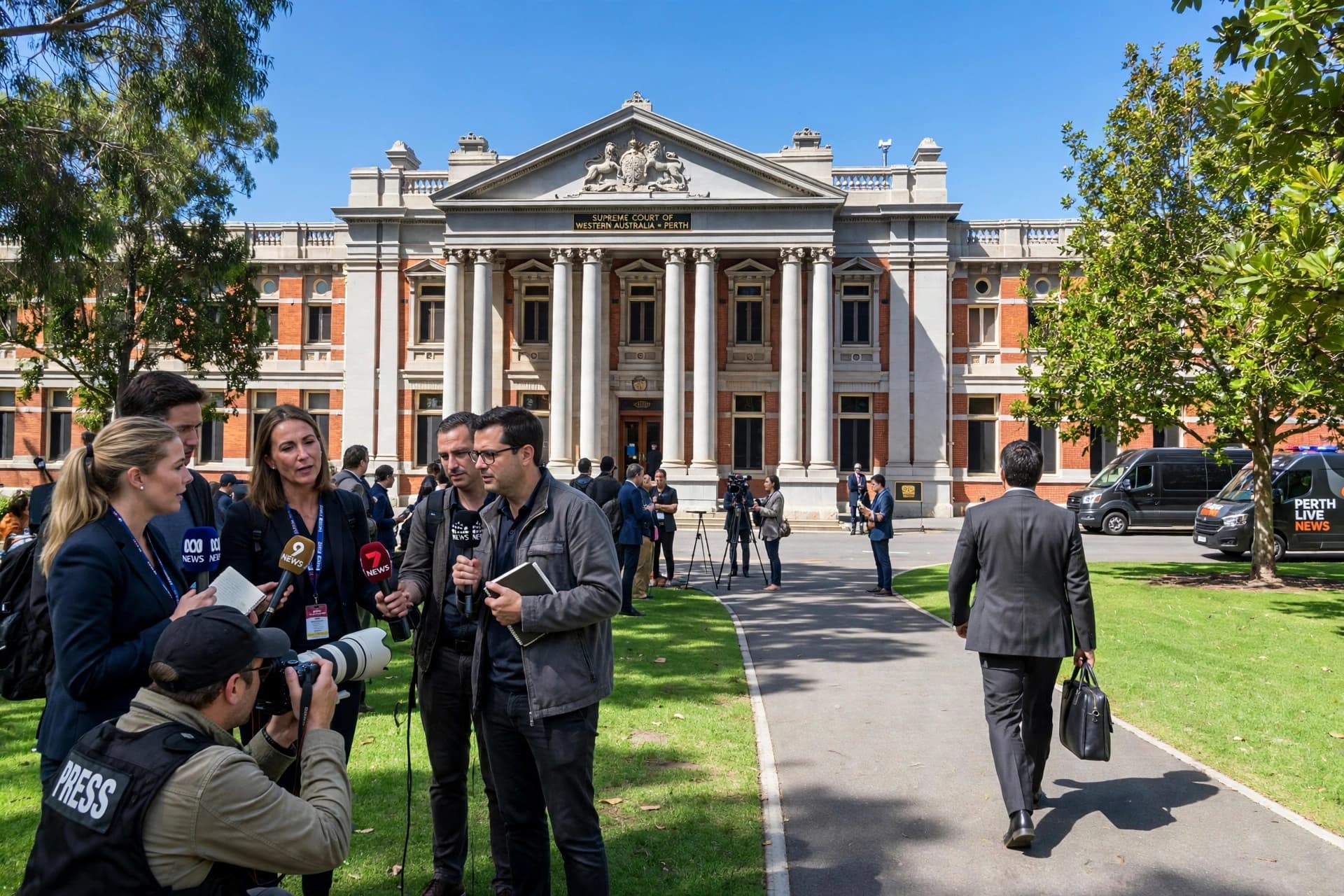
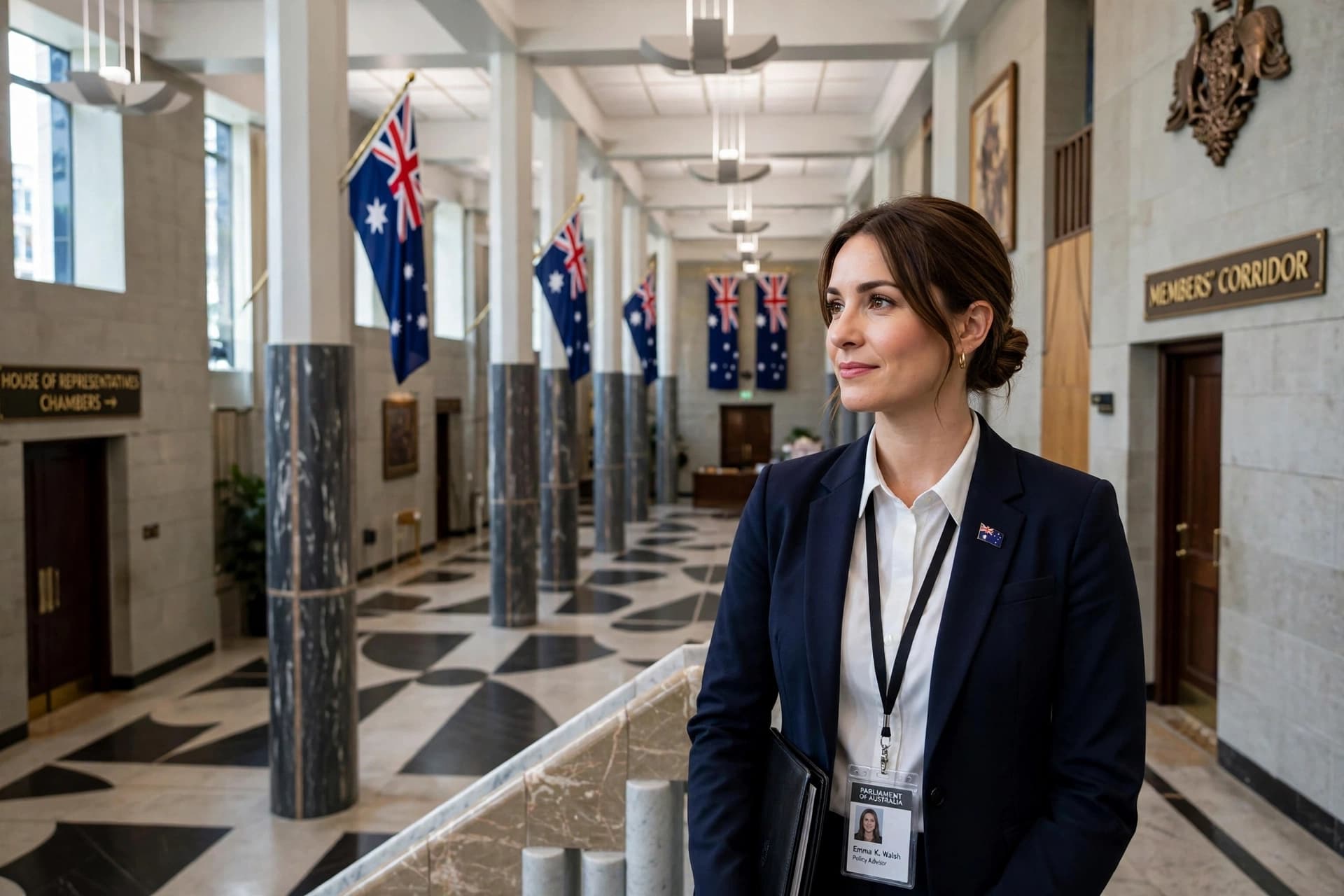
AI Image Disclaimer: The images accompanying this article were generated by artificial intelligence and are for illustrative purposes only.
Sources: The Guardian, Daily Mail, The Nightly, Crikey, news24.com.au
Published by Banx Network. This article is part of the Banx decentralized media programme, powered by the BXE token on the XRP Ledger.