In the vast and often unforgiving expanse of Canada’s Arctic, the ability to navigate through ice is not merely a logistical convenience but a statement of sovereignty and presence. Prime Minister Mark Carney’s recent announcement of an 11 billion investment to construct six new icebreakers in Quebec underscores this strategic imperative. The decision, rooted in both economic ambition and national security, reflects a growing recognition of the North’s importance in a changing global landscape.
The funding, described as the largest shipbuilding contract in Quebec’s history, will see the vessels constructed at Davie Shipbuilding in Lauzon. This partnership aims to revitalize the domestic maritime industry while ensuring that the Canadian Coast Guard has the necessary tools to maintain year-round access to northern waters. For decades, Canada’s icebreaking capacity has been a topic of concern, with aging fleets struggling to meet the demands of increased commercial and scientific activity in the Arctic.
The economic implications of this investment are significant for the region. Thousands of jobs are expected to be created over the next decade, spanning from engineering and design to skilled trades and manufacturing. For communities in Quebec, particularly those along the St. Lawrence River, the project offers a beacon of industrial renewal. It signals a commitment to keeping complex, high-value manufacturing within Canada’s borders, rather than outsourcing it to international yards.
Beyond the economic benefits, the icebreakers serve a critical role in asserting Canada’s presence in the Arctic. As climate change opens new shipping routes and access to resources, other nations are increasingly eyeing the region. A robust fleet ensures that Canada can monitor its waters, support Indigenous communities, and respond to emergencies effectively. The vessels will be equipped with advanced technology to operate in severe ice conditions, enhancing both safety and operational reach.
Prime Minister Carney emphasized that this initiative is part of a broader strategy to strengthen Canada’s northern infrastructure. It aligns with efforts to improve connectivity, support sustainable development, and uphold Indigenous rights in the Arctic. By involving local industries and respecting the spirit of reconciliation, the government aims to build a model of development that is both inclusive and resilient.
However, the project is not without its challenges. Shipbuilding is a complex endeavor, often prone to delays and cost overruns. Ensuring that the timeline remains on track and that the budget is managed prudently will require diligent oversight. Critics may question whether the funds could be better spent on other pressing national priorities, but supporters argue that the long-term strategic value outweighs the immediate costs.
For the workers at Davie Shipbuilding, the announcement brings a sense of pride and purpose. Many have waited years for a project of this magnitude, which promises stability and growth for their families and communities. The construction of these icebreakers is not just about building ships; it is about rebuilding confidence in Canada’s industrial capabilities.
The 11 billion investment in Quebec’s shipbuilding industry marks a pivotal moment for Canada’s Arctic strategy. It balances economic revitalization with national security, offering a tangible commitment to maintaining a strong and sovereign presence in the North.
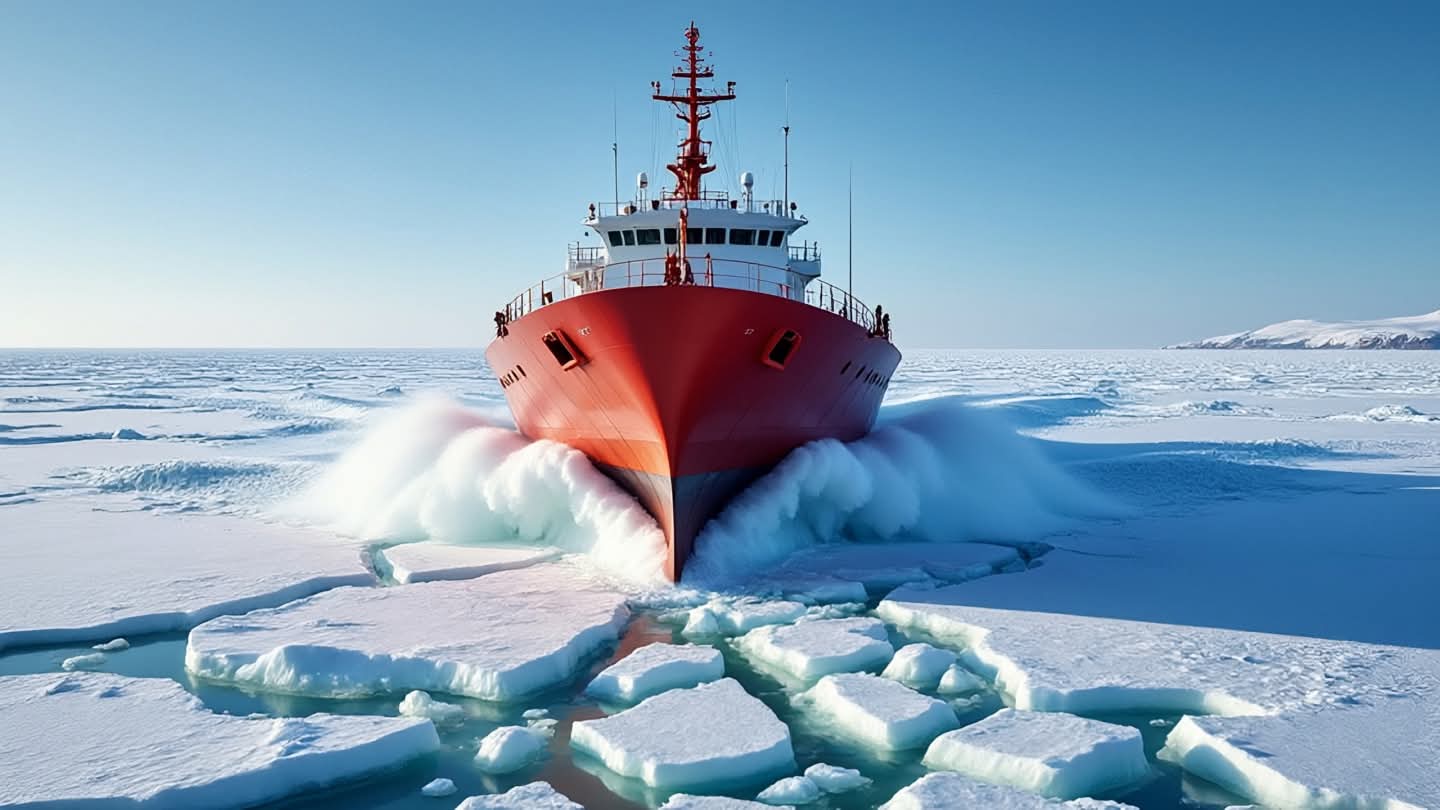
AI Image Disclaimer: Please note that any accompanying illustrations for this piece are AI-generated representations intended to evoke the mood of the described events.
Sources: CTV News, National News Watch, Yahoo News, Government of Canada
Published by Banx Network. This article is part of the Banx decentralized media programme, powered by the BXE token on the XRP Ledger.