
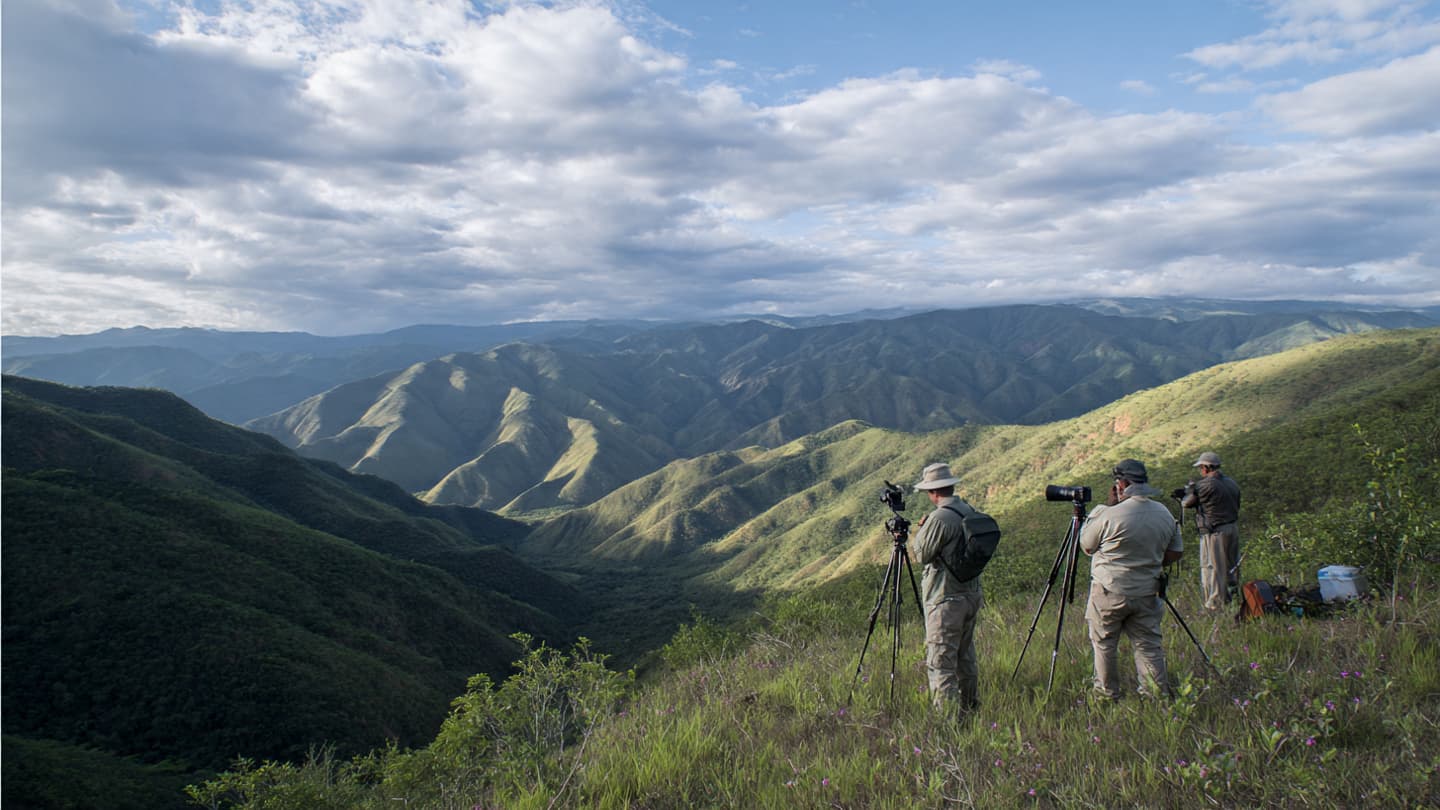
Some of the world's greatest discoveries are not found in laboratories or observatories but in remote landscapes that have remained largely unexplored. In the highlands of Angola, scientists have uncovered several previously unknown species, offering another reminder that Earth's biodiversity still holds many secrets waiting to be revealed.
Body:
The discoveries were made during research expeditions conducted in isolated regions of the Angolan highlands. Scientists documented a variety of organisms, including insects and other small animals that had not previously been described by science.
Researchers noted that the region's relative isolation has contributed to the development of unique ecosystems. Over long periods, species can evolve distinct characteristics when separated from other populations.
Among the findings were unusual insects displaying traits rarely observed elsewhere. Some species exhibited striking colors and biological adaptations that attracted particular interest from researchers.
The discoveries highlight the importance of biodiversity surveys in regions that have historically received limited scientific attention. Even in the twenty-first century, new species continue to be identified across multiple continents.
Conservation experts say such findings strengthen the case for protecting vulnerable habitats. Species cannot be effectively conserved if their existence remains unknown to science.
The Angolan highlands have become increasingly important to biological research in recent years. Improved access and international collaboration have enabled scientists to study ecosystems that were previously difficult to reach.
Researchers also emphasized that biodiversity contributes to broader environmental health. Diverse ecosystems support ecological stability, scientific discovery, and potential future benefits in fields such as medicine and agriculture.
Closing:
The newly identified species add another chapter to humanity's understanding of the natural world. As exploration continues, scientists remain optimistic that additional discoveries may emerge from one of Africa's most intriguing ecological regions.
AI Image Disclaimer: The image associated with this article is AI-generated and intended solely as a visual representation of the scientific findings.
Sources Verified: Reuters, National Geographic, Mongabay, Scientific American, African Wildlife Foundation
Published by Banx Network. This article is part of the Banx decentralized media programme, powered by the BXE token on the XRP Ledger.



