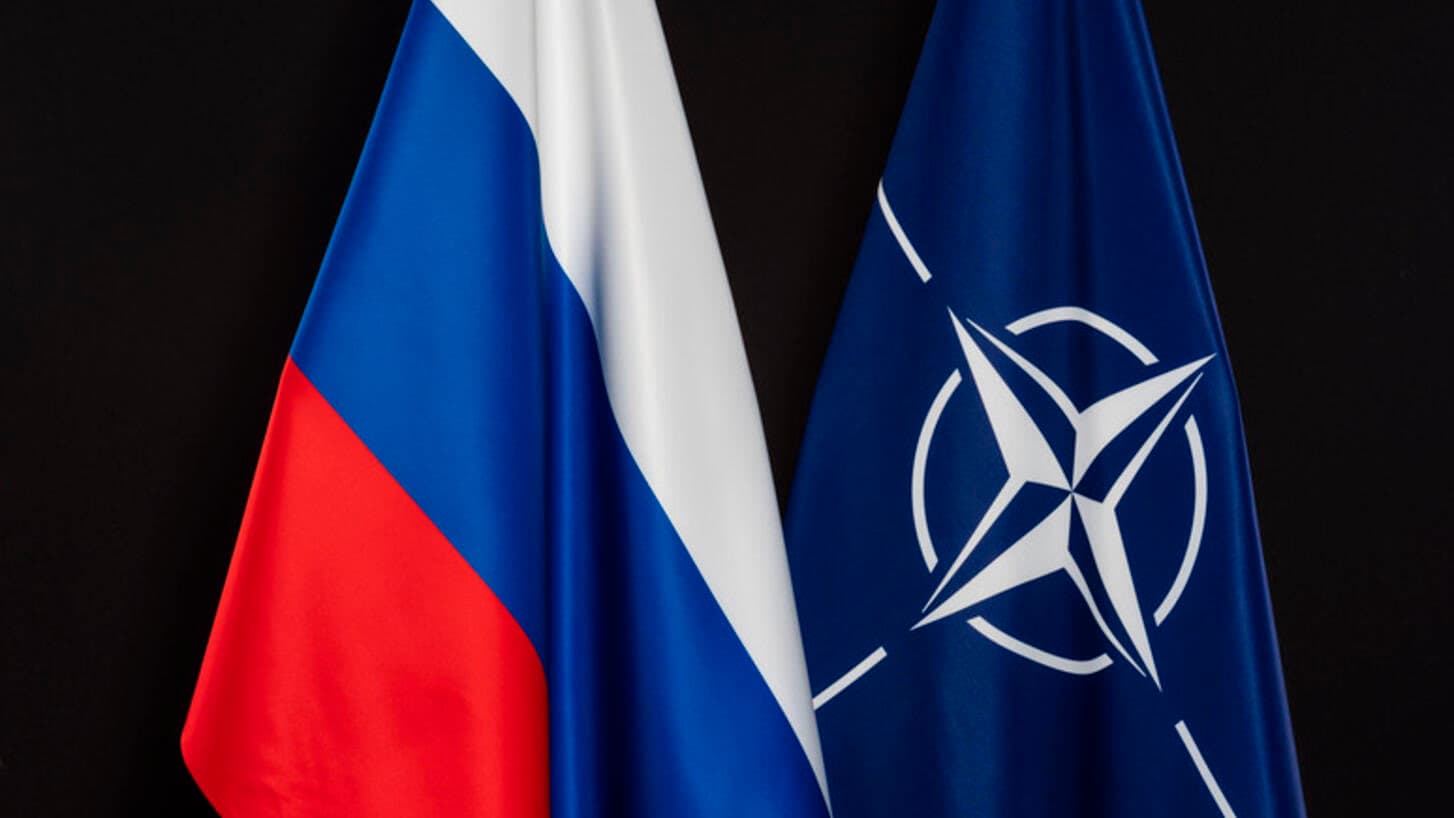
NATO says it is monitoring what it describes as Russian provocations against European countries while preparing for a range of possible security scenarios. The statement, highlighted by C14 News in the post shown, underscores the continued concern among European governments and NATO members about developments involving Russia and the wider security environment. The alliance's language is significant because it emphasizes monitoring and preparation rather than announcing that a particular military confrontation is imminent. NATO's role is to coordinate the collective defence of its members, meaning that intelligence assessments, military readiness and contingency planning are central parts of its responsibilities. Saying that the alliance is preparing for “various potential scenarios” reflects the uncertainty surrounding the security environment rather than necessarily predicting a specific outcome. Since Russia's full-scale invasion of Ukraine in 2022, European governments have substantially increased attention on military preparedness, defence spending, infrastructure protection and the resilience of critical national systems. NATO members have also strengthened military deployments and cooperation along parts of the alliance's eastern flank. The security debate now extends beyond conventional military forces to cyberattacks, disinformation, interference with infrastructure and other forms of pressure that can affect European states without developing into an open military conflict. The reference to Russian “provocations” is particularly important because tensions between Russia and European countries can emerge through several channels. Airspace incidents, maritime activity, cyber operations, political interference and military exercises can all generate concern without automatically leading to direct confrontation. Governments therefore have to distinguish between incidents that require immediate action and those that can be managed through surveillance, diplomacy and defensive preparations. For NATO, preparation serves another purpose: deterrence. A military alliance attempts to reduce the likelihood of an attack by demonstrating that its members have the capability and political commitment to respond collectively. Publicly communicating that potential scenarios are being monitored can therefore be part of a broader effort to reassure member states while signalling that unusual activity will not go unnoticed. European governments are also dealing with a changing defence environment. Countries that historically maintained relatively limited military spending have increasingly discussed larger defence budgets, expanded weapons production and greater cooperation with other European states. The goal is not simply to increase the number of soldiers or weapons, but to ensure that military forces can operate effectively during a prolonged crisis. The situation also creates economic consequences. Greater defence spending can increase demand for European weapons manufacturers, technology companies and suppliers of military infrastructure. At the same time, heightened geopolitical risk can influence energy prices, trade routes, investment decisions and government budgets. Businesses operating across Europe must increasingly consider geopolitical resilience alongside traditional economic factors. The NATO statement does not by itself indicate that a major conflict is about to occur. Monitoring threats and preparing contingency plans are normal functions of a military alliance, particularly during a period of elevated geopolitical tension. The more important development is the continued institutional focus on preparedness. For Europe, the challenge is maintaining deterrence while avoiding unnecessary escalation. NATO must demonstrate that it can respond to threats without allowing individual incidents to spiral into a larger confrontation. That requires intelligence sharing, communication between governments, military readiness and diplomatic channels. The latest warning therefore reflects a broader European reality: security planning has become a permanent part of economic and political decision-making. NATO's emphasis on monitoring and preparation shows that member states are treating the possibility of further Russian pressure seriously, while still leaving the outcome dependent on how future events unfold.
Published by Banx Network. This article is part of the Banx decentralized media programme, powered by the BXE token on the XRP Ledger.