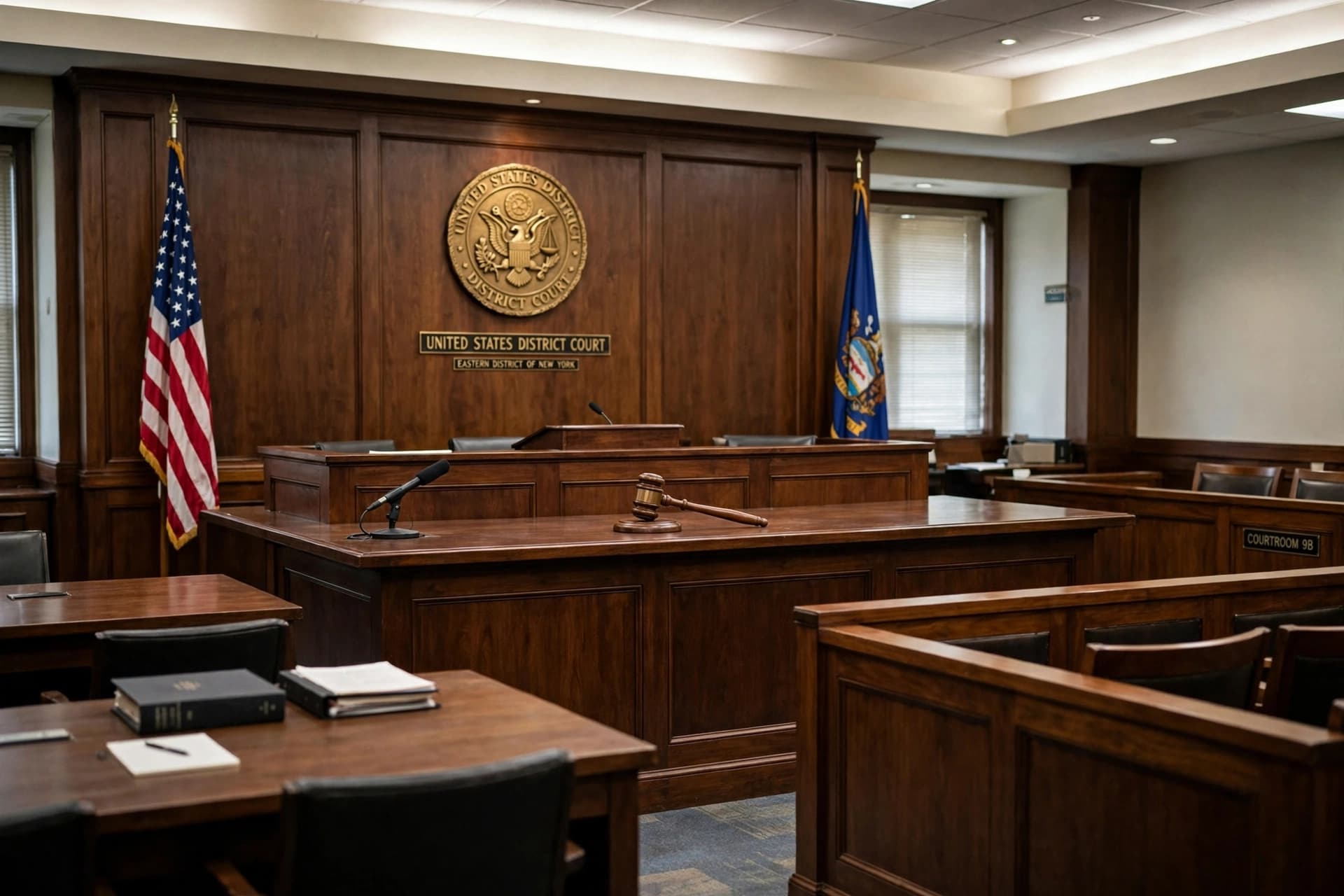
In a major development that underscores growing political and social tensions in the United States, Illinois Governor JB Pritzker announced that President Donald Trump has ordered the deployment of 400 members of the Texas National Guard to Illinois, Oregon, and several other locations nationwide. The move, described as a strategic response to escalating unrest, highlights increasing federal involvement in maintaining state-level security.
The decision comes amid heated political rhetoric, with some messages circulating online containing alarming and extreme claims about political candidates and their alleged motives. One viral post accused a Virginia Democratic candidate for Attorney General of harboring dangerous intentions toward children, sparking widespread outrage and fueling intense online debate. Although such claims are often politically charged and should be fact-checked carefully, their spread contributes to a climate of division and distrust.
The National Guard deployment is being viewed by some as a precautionary measure, while others interpret it as a political statement. Historically, federal troops have been deployed during periods of civil unrest, natural disasters, or emergencies. This latest action adds a new chapter to a year already marked by political polarization, security concerns, and public unease.
Critics argue that the timing of the deployment could further inflame tensions, while supporters believe it demonstrates decisive federal action to stabilize affected areas. With states like Illinois and Oregon involved, both of which have experienced protests and security challenges in recent years, the presence of the National Guard may become a flashpoint in upcoming political discourse.
As the situation unfolds, all eyes are on how federal and state authorities coordinate their efforts — and how the public responds to both the deployment and the surrounding political narratives. Clear communication, accurate information, and responsible leadership will be crucial in navigating the coming days.
Published by Banx Network. This article is part of the Banx decentralized media programme, powered by the BXE token on the XRP Ledger.