A cargo spacecraft that delivered thousands of pounds of supplies and scientific equipment to astronauts aboard the International Space Station is preparing to depart after completing its mission.
The cargo vehicle, developed by Northrop Grumman, is part of the company’s Cygnus spacecraft program that supports resupply missions for NASA. The spacecraft carried more than 11,000 pounds of experiments, equipment, and essential supplies for astronauts working on the orbiting laboratory.
The mission supported the crew of Expedition 73, a long-duration scientific expedition aboard the International Space Station. Astronauts on the station rely heavily on periodic cargo deliveries to maintain research operations and everyday living needs.
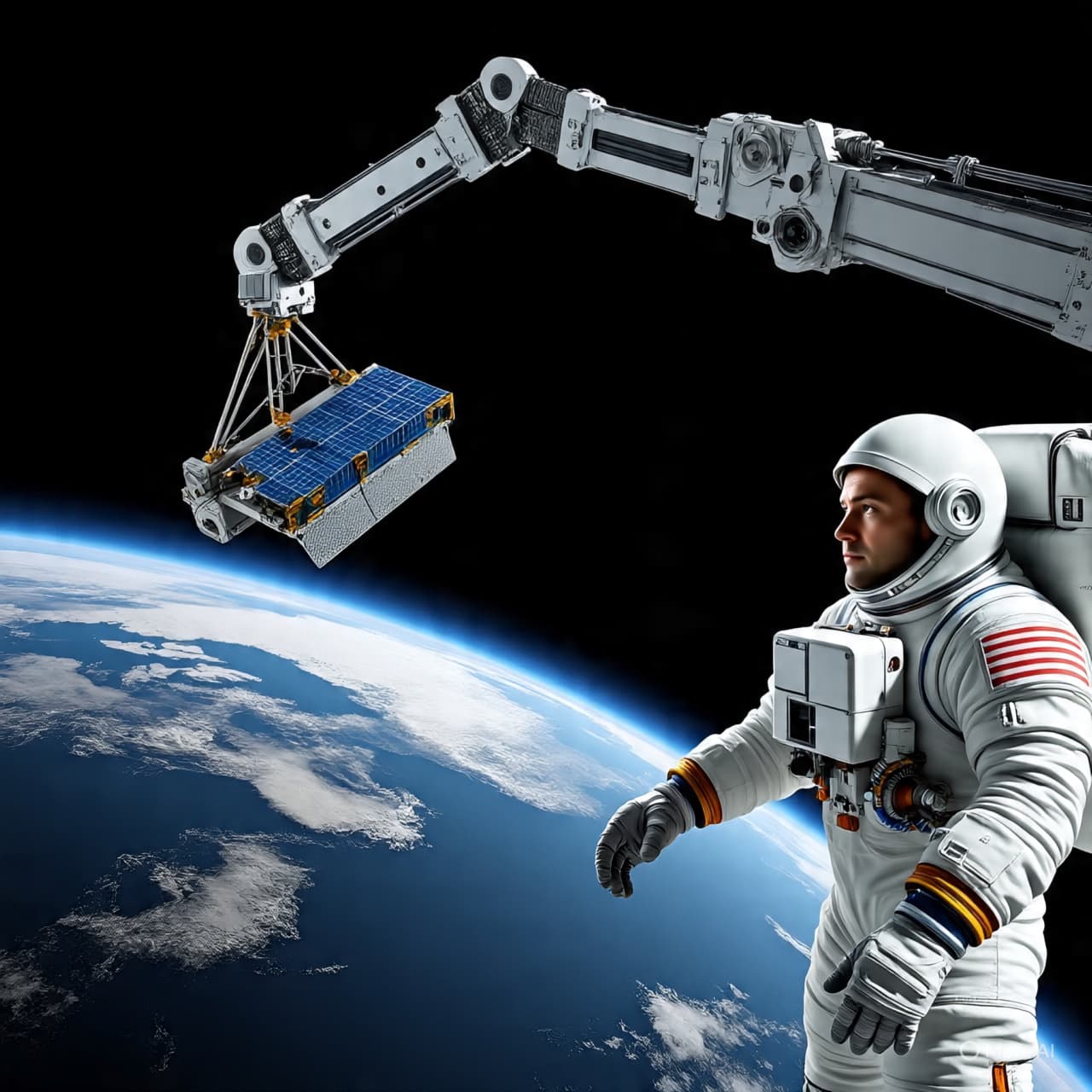
After arriving at the station, the spacecraft was captured by the station’s robotic arm, Canadarm2, which is operated by astronauts from inside the station. The robotic arm carefully secured the spacecraft before attaching it to one of the station’s docking ports.
At the time of capture, the space station and the cargo spacecraft were orbiting approximately 257 miles above Earth, passing over the region of Tanzania.
During its stay at the station, the Cygnus spacecraft functioned as a storage module, allowing astronauts to unload supplies and prepare materials for scientific experiments. Cargo missions like this one play a crucial role in maintaining the station’s research capabilities.
The International Space Station hosts a wide range of experiments in fields including biology, physics, materials science, and Earth observation. Many of these studies depend on equipment and materials delivered by cargo vehicles such as Cygnus.
Once the spacecraft departs, it will carry waste and discarded equipment loaded by the station’s crew. Unlike some cargo spacecraft that return materials safely to Earth, Cygnus is designed to burn up in Earth’s atmosphere during re-entry, safely disposing of waste from the orbiting laboratory.
The mission is part of NASA’s ongoing Commercial Resupply Services program, which partners with private companies to support the station’s operations.
Through partnerships with aerospace firms like Northrop Grumman, NASA continues to maintain a steady supply chain to the International Space Station, ensuring astronauts have the resources needed to conduct research and sustain life in orbit.
As the cargo spacecraft prepares for its departure, the mission marks another successful step in the ongoing effort to support human presence in space
Published by Banx Network. This article is part of the Banx decentralized media programme, powered by the BXE token on the XRP Ledger.