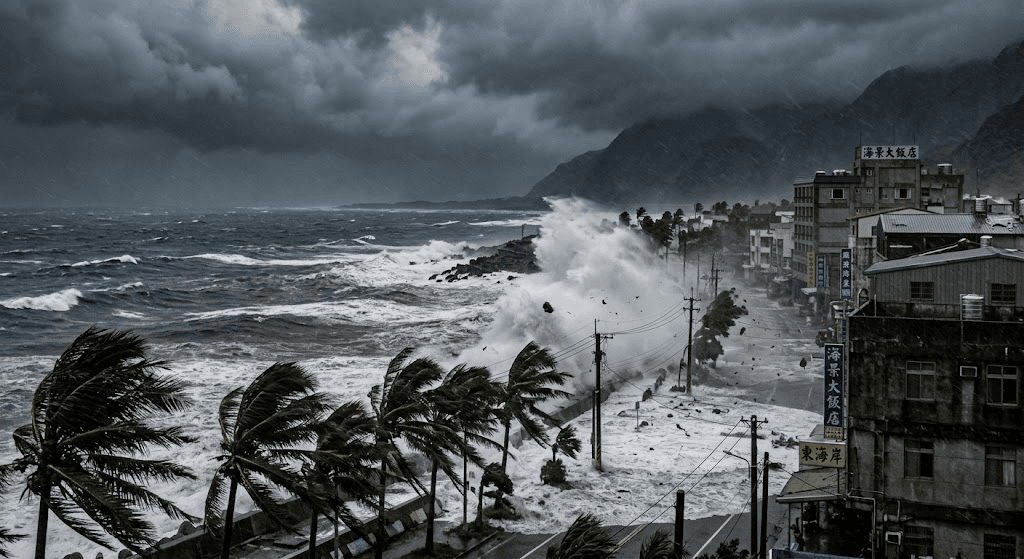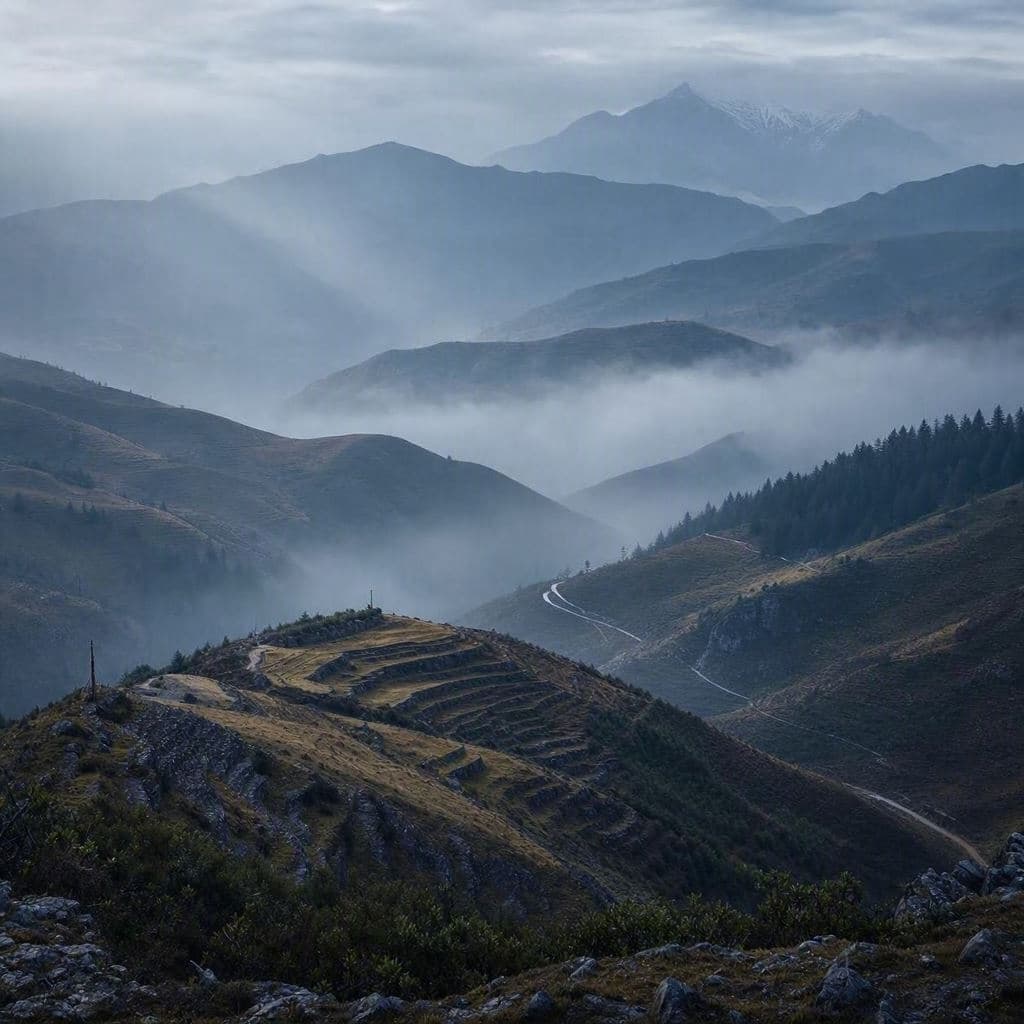
In the shadow of the Himalayas, where the air is thin and the mountains stand as silent sentinels of time, a profound sadness has settled over the nation. The rugged beauty of Nepal, often a source of pride and spiritual solace, has recently been marred by the sudden and violent force of nature. Flash floods, triggered by heavy rains and shifting landscapes, have swept through valleys and villages, leaving behind a trail of loss that words can scarcely capture. As the country pauses to observe a national day of mourning, the collective grief is palpable, a quiet testament to the lives interrupted and the communities forever changed by this natural calamity.
The decision to declare a national day of mourning is a solemn acknowledgment of the scale of the tragedy. It is a moment for the nation to unite in sorrow, setting aside daily routines to honor those who have perished. Flags fly at half-mast, public events are canceled, and a hush falls over the bustling streets of Kathmandu and the remote hamlets alike. This shared pause allows citizens to process the shock and begin the long journey of healing, reinforcing the bonds of community in the face of adversity.
Flash floods in this region are not uncommon, yet each event carries its own unique devastation. The steep terrain and fragile geology make the land particularly susceptible to rapid water accumulation and landslides. When the skies open up, the rivers swell with terrifying speed, engulfing homes, bridges, and farmlands in a matter of minutes. For the residents, who live in close harmony with the land, these disasters are a harsh reminder of their vulnerability to the elements they so deeply respect.
The human cost of such disasters is immeasurable. Families have lost loved ones, children have been orphaned, and livelihoods have been washed away. The immediate aftermath is characterized by a frantic search for survivors and the provision of emergency aid. Rescue teams work tirelessly in difficult conditions, navigating mudslides and swollen rivers to reach isolated communities. Their efforts are a beacon of hope amidst the despair, showcasing the resilience and dedication of first responders.
Beyond the immediate loss of life, the infrastructure damage poses significant challenges for recovery. Roads are blocked, communication lines are severed, and access to clean water and medical care becomes limited. The economic impact on rural communities, heavily dependent on agriculture and tourism, will be felt for years. Rebuilding will require not just financial resources but also careful planning to mitigate future risks, integrating traditional knowledge with modern engineering solutions.
The international community has responded with offers of assistance, recognizing the global nature of climate-related disasters. Aid organizations and neighboring countries are providing supplies, technical support, and financial aid. This outpouring of solidarity highlights the interconnectedness of our world and the shared responsibility to support those affected by natural catastrophes. It is a reminder that in times of crisis, borders dissolve, and humanity comes together.
As the mourning period concludes, the focus will shift toward reconstruction and resilience. The government and local leaders face the daunting task of restoring normalcy while addressing the underlying vulnerabilities exposed by the floods. This involves improving early warning systems, strengthening infrastructure, and educating communities on disaster preparedness. The goal is not just to rebuild what was lost, but to build back better, ensuring greater safety for future generations.
The memories of those lost will remain etched in the collective consciousness of Nepal. Their stories serve as a poignant reminder of the fragility of life and the power of nature. By honoring them through this day of mourning, the nation affirms its commitment to remembering, learning, and moving forward with strength and unity. It is a step toward healing, guided by the enduring spirit of the Nepalese people.
The national day of mourning in Nepal is a dignified response to a tragic event. It provides space for grief and solidarity, laying the groundwork for recovery. As the nation looks ahead, let this moment of reflection inspire continued efforts toward resilience and community support.
AI Image Disclaimer: Please note that any visual aids accompanying this text are AI-generated illustrations intended for conceptual representation only.
Sources: The Kathmandu Post Al Jazeera Reuters
Published by Banx Network. This article is part of the Banx decentralized media programme, powered by the BXE token on the XRP Ledger.