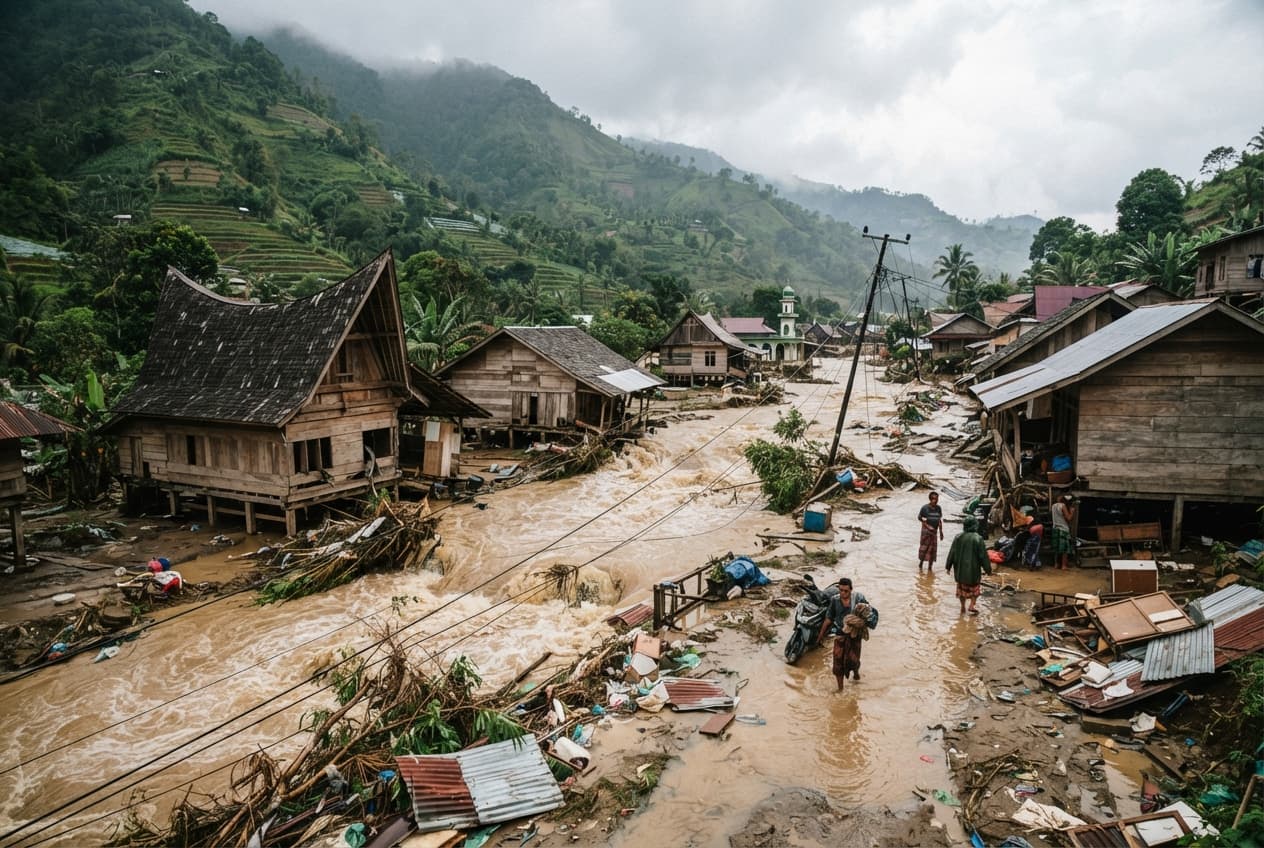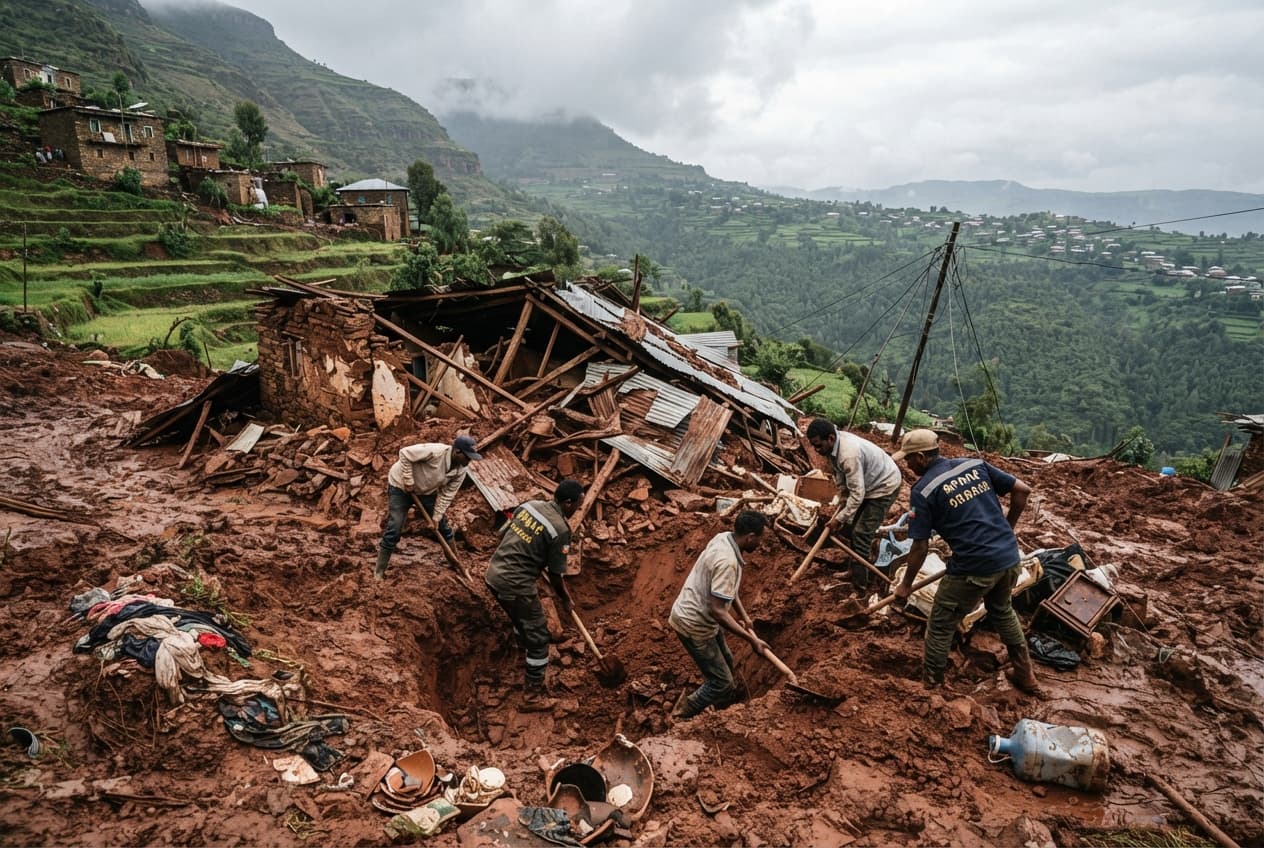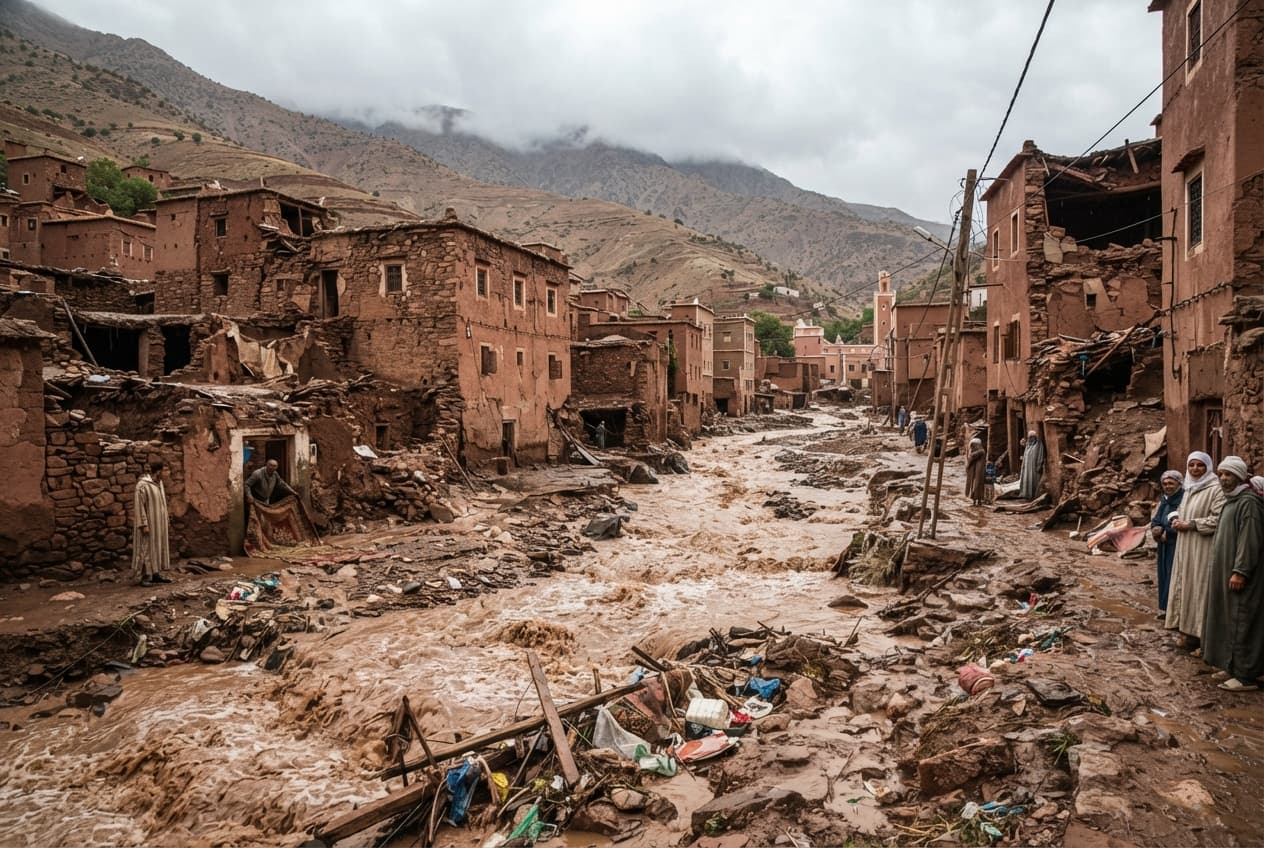
Marrakech, Morocco—Sudden flash floods tore through remote villages across the Atlas Mountains on Friday morning, sweeping away traditional homes and trapping residents without warning. Heavy convective storms over higher elevation watersheds discharged massive volumes of runoff into narrow mountain canyons within minutes. Local interior ministry authorities confirmed that four villagers died in the roaring torrents while search squads hunted for several individuals still listed as missing. Muddy wall currents battered stone masonry structures, tearing down exterior walls and filling interior living spaces with thick river silt. Local volunteers used ropes and wooden poles to pull stranded neighbors from swirling brown waters before rescue vehicles arrived.
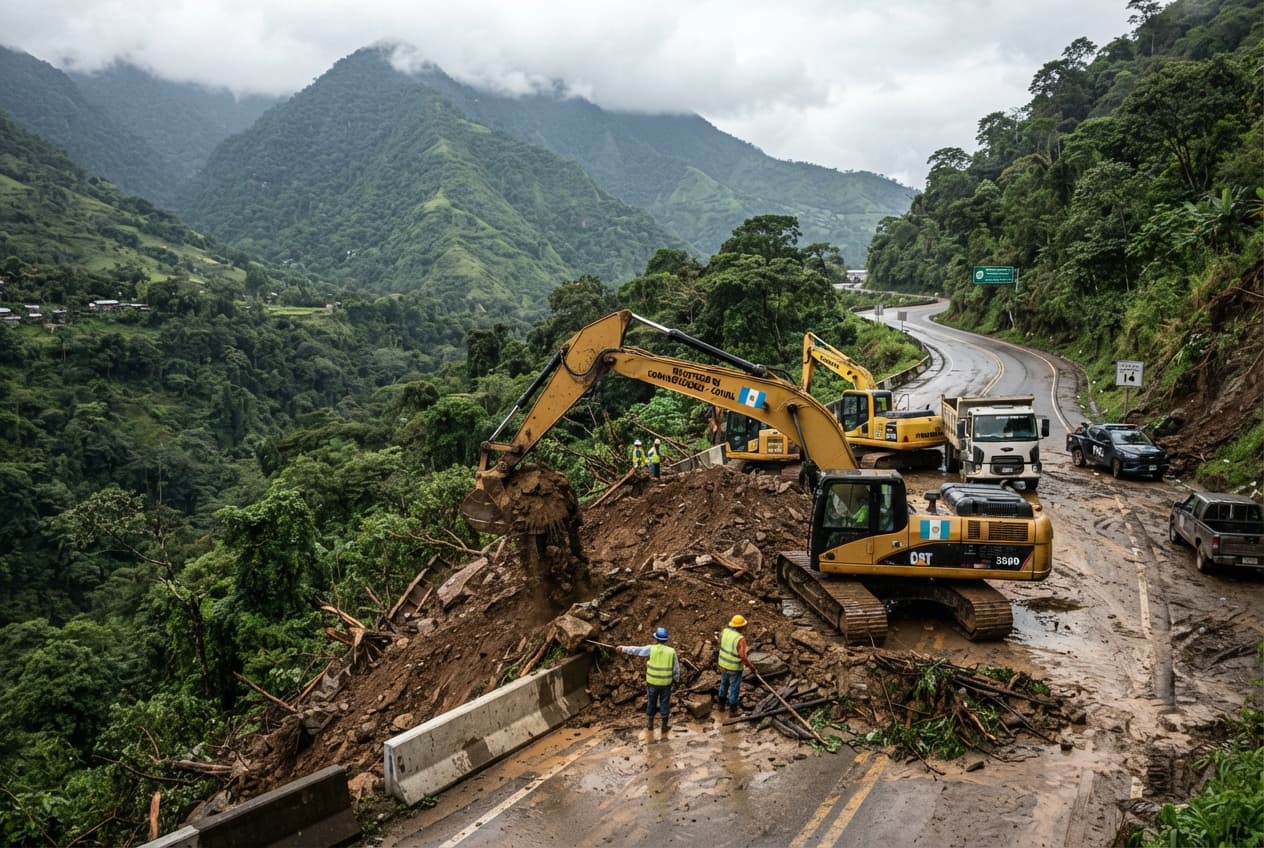
Civil protection teams found primary mountain access roads blocked by massive boulder slides and washed-out earthen bridge spans. Emergency helicopters attempted aerial extractions, but thick low-hanging cloud banks forced turning maneuvers back toward regional airbases. District medical workers set up improvised triage posts on rocky outcrops above the flood line to treat injured survivors suffering from trauma and exposure. Families searched anxiously along swollen riverbanks for missing relatives who were caught outside during the sudden pre-dawn inundation. Local administrative offices mobilized heavy excavation units to clear debris blocking the narrow gorge passes leading into the interior valleys.
Relief logistics convoys encountered severe delays as secondary transport tracks gave way under continuous atmospheric moisture and sliding soil. International humanitarian agencies offered immediate support to supplement local emergency shelter operations established in regional school structures. Agricultural terraces spanning the valley slopes were flattened, destroying local barley harvests and washing away livestock pens. Regional governors announced emergency financial allocations to assist displaced families whose homes suffered total structural collapse during the deluge. Meteorological stations warned that unstable weather patterns would persist across the mountain chain through the weekend.
Search operations expanded further downstream as rescue teams combed rocky riverbeds and reservoir catchments for missing persons. Heavy machinery operators worked under portable floodlights to stabilize undercut roadway foundations threatening additional vehicle accidents. Local municipal leaders maintained strict perimeter controls to prevent civilian entry into highly unstable flood zones prone to secondary erosion. Medical response units monitored survivor health conditions inside overcrowded community shelters to prevent potential hygiene-related outbreaks. Emergency response coordinators remained on high alert as radar feeds indicated continuing atmospheric instability across the southern ranges.
Published by Banx Network. This article is part of the Banx decentralized media programme, powered by the BXE token on the XRP Ledger.