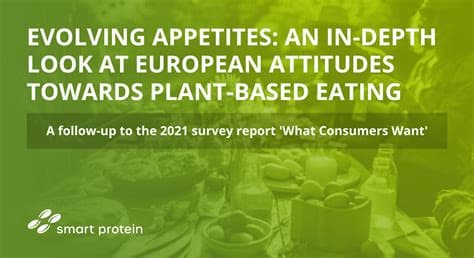
A comprehensive survey funded by the European Union has found that most Europeans are now reducing their meat consumption, with a significant portion of respondents citing health, environmental, and ethical concerns as primary motivations. This shift in dietary habits highlights a growing awareness of the impacts of meat production on public health and the planet.
The survey, conducted in late 2025, included responses from a diverse demographic across EU member states. Results revealed that over 60% of participants reported a decrease in meat intake, with many opting for plant-based alternatives or a more balanced diet. Notably, younger generations were found to be more inclined to adopt flexitarian or vegetarian diets compared to older counterparts.
A variety of factors are driving this trend. Many respondents expressed concerns about the environmental impact of meat production, including greenhouse gas emissions and deforestation linked to livestock farming. Health benefits associated with reduced meat consumption, such as lower risks of heart disease and obesity, were also highlighted as significant reasons for the dietary changes.
Additionally, the survey identified a rising interest in sustainable food practices. Consumers are increasingly seeking transparency about food sources and considering the welfare of animals in their purchasing decisions. This heightened awareness is leading to a greater demand for local and organic produce.
While the shift away from meat consumption reflects changing attitudes, challenges remain. Some respondents indicated that cultural traditions and social practices related to meat consumption still hold strong, particularly in countries where meat is a central component of cuisine.
The findings of this survey align with broader EU initiatives aimed at promoting sustainable food systems and reducing the environmental footprint of agriculture. Policymakers are being urged to support educational programs that encourage healthier eating habits and provide incentives for sustainable farming practices.
As this trend continues to evolve, the implications for food industries, agriculture, and public health are significant, highlighting the need for a collective effort to foster a more sustainable and health-oriented dietary landscape in Europe. The European Union may further emphasize plant-based diets as part of its long-term strategy for environmental actions and public health initiatives, aiming to adapt to the changing preferences of consumers across the continent.
Published by Banx Network. This article is part of the Banx decentralized media programme, powered by the BXE token on the XRP Ledger.