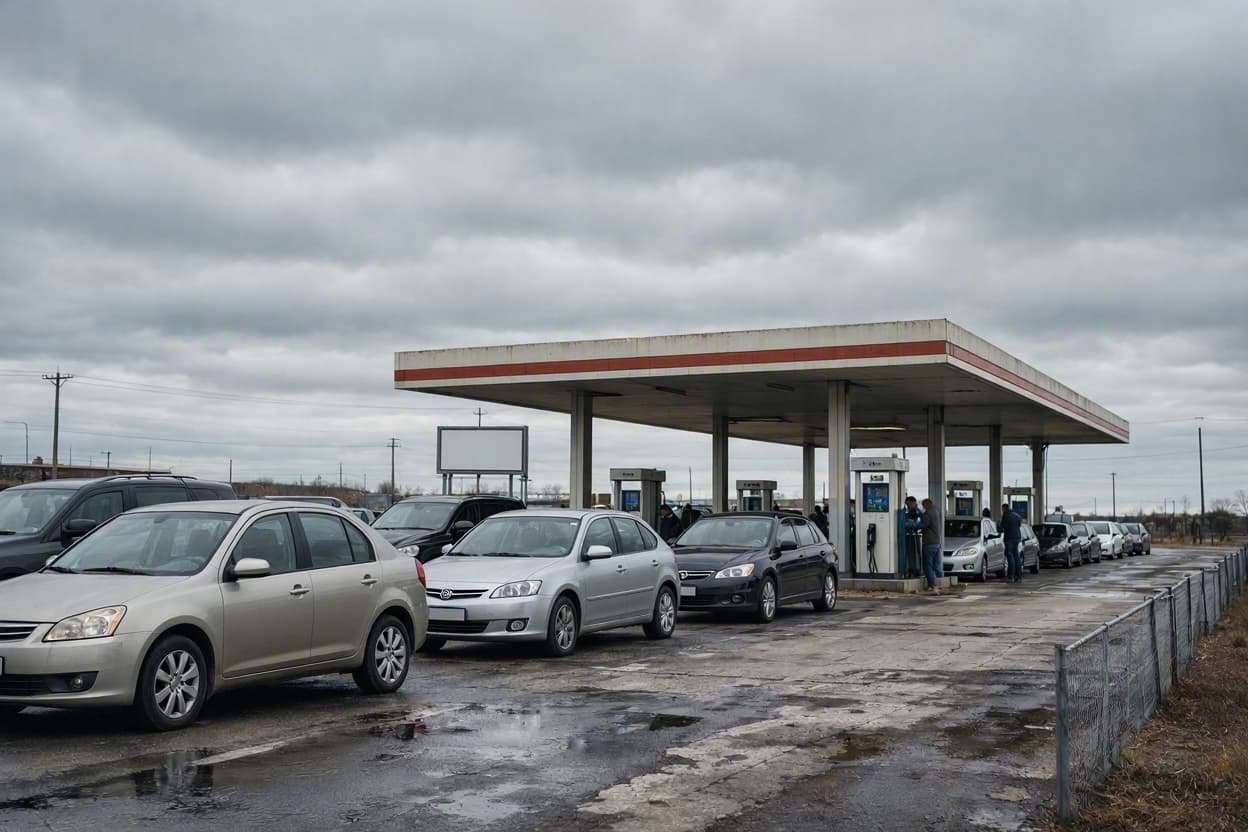
In the bustling streets of Moscow, the rhythm of daily life is once again being disrupted by the familiar sight of long queues at gas stations. As a "second wave" of fuel shortages sweeps across Russia, major retailers have reimposed limits on purchases, capping sales to ensure equitable distribution. This development marks a significant challenge for the Russian economy, highlighting the vulnerabilities in its energy infrastructure amidst ongoing geopolitical pressures.
The shortages, which first emerged earlier in the year, have returned with renewed intensity, affecting not only the capital but also numerous other regions. Local authorities in at least ten areas have tightened controls, restricting sales to prevent panic buying and hoarding. For drivers, the limits mean planning trips more carefully and accepting that the convenience of unlimited fuel access is temporarily out of reach. The situation is a stark reminder of how external conflicts can impact domestic stability.
The root causes of the crisis are multifaceted. Increased drone attacks on oil refineries have damaged production capacity, reducing the supply of refined products. Additionally, logistical bottlenecks and export bans aimed at preserving domestic stocks have complicated the distribution network. While the government has taken steps to mitigate the impact, the scale of the disruption tests the resilience of the system.
For ordinary citizens, the inconvenience is more than just a logistical hurdle; it is a source of anxiety. Fuel is essential for work, commerce, and emergency services. The uncertainty surrounding availability can disrupt business operations and increase costs for consumers. Small businesses, in particular, feel the strain, as they rely on consistent supply chains to maintain their services.
The Kremlin has responded by banning exports of certain petroleum products and urging regional governments to manage reserves carefully. These measures are intended to stabilize the market, but they also signal the severity of the situation. The decision to limit sales in Moscow, the country’s economic heart, underscores the nationwide nature of the problem. It is a move that affects millions of people and sends a message about the realities of the current economic climate.
Experts suggest that the recovery will take time. Repairing damaged infrastructure and restoring full production capacity requires significant investment and coordination. In the meantime, consumers are advised to remain patient and follow official guidelines. Community solidarity plays a role, as neighbors share information about available stations and help those in need.
The political implications are also notable. Fuel availability is a key indicator of state performance, and shortages can erode public confidence. The government faces pressure to resolve the issue quickly while managing expectations. Transparency in communication is crucial to maintaining trust during this period of uncertainty.
As the second wave continues, the focus remains on adaptation and resilience. For Russians, it is another chapter in a story of endurance. The hope is that with coordinated effort and time, the pumps will flow freely again, restoring the normalcy that so many take for granted. Until then, caution and conservation are the orders of the day.
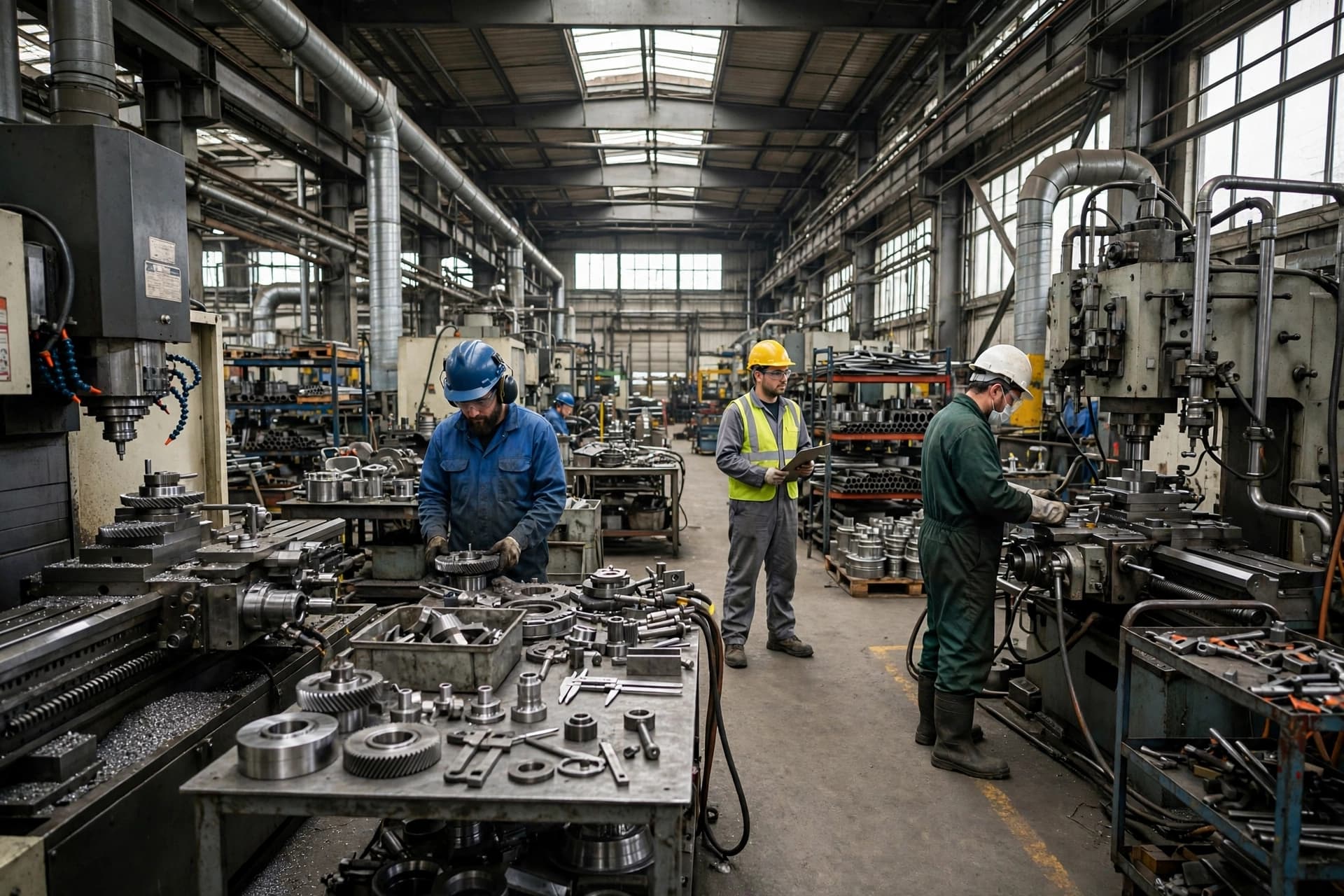
AI Image Disclaimer: Visuals in this article are AI-generated illustrations of urban gas stations and abstract representations of supply chains, designed to visualize the theme of fuel shortages without depicting real proprietary data or specific individuals.
Sources: Reuters, NBC News, Ukraine News, The Guardian
Published by Banx Network. This article is part of the Banx decentralized media programme, powered by the BXE token on the XRP Ledger.