
DECENTRALIZED MEDIA IS LIVE POWERED BY
Banx Media Platform logo
BUSINESSSupply ChainAutomotive

Morning Echoes Across Factory Floors: Japan's Quiet Automation Journey Shapes Tomorrow Through Patient Industrial Innovation Together Always

Japanese manufacturers continue expanding factory automation and AI adoption to improve productivity, address labor shortages

a

alvezciro

EXPERIENCED
1 min read
9 Views
Morning Echoes Across Factory Floors: Japan's Quiet Automation Journey Shapes Tomorrow Through Patient Industrial Innovation Together Always

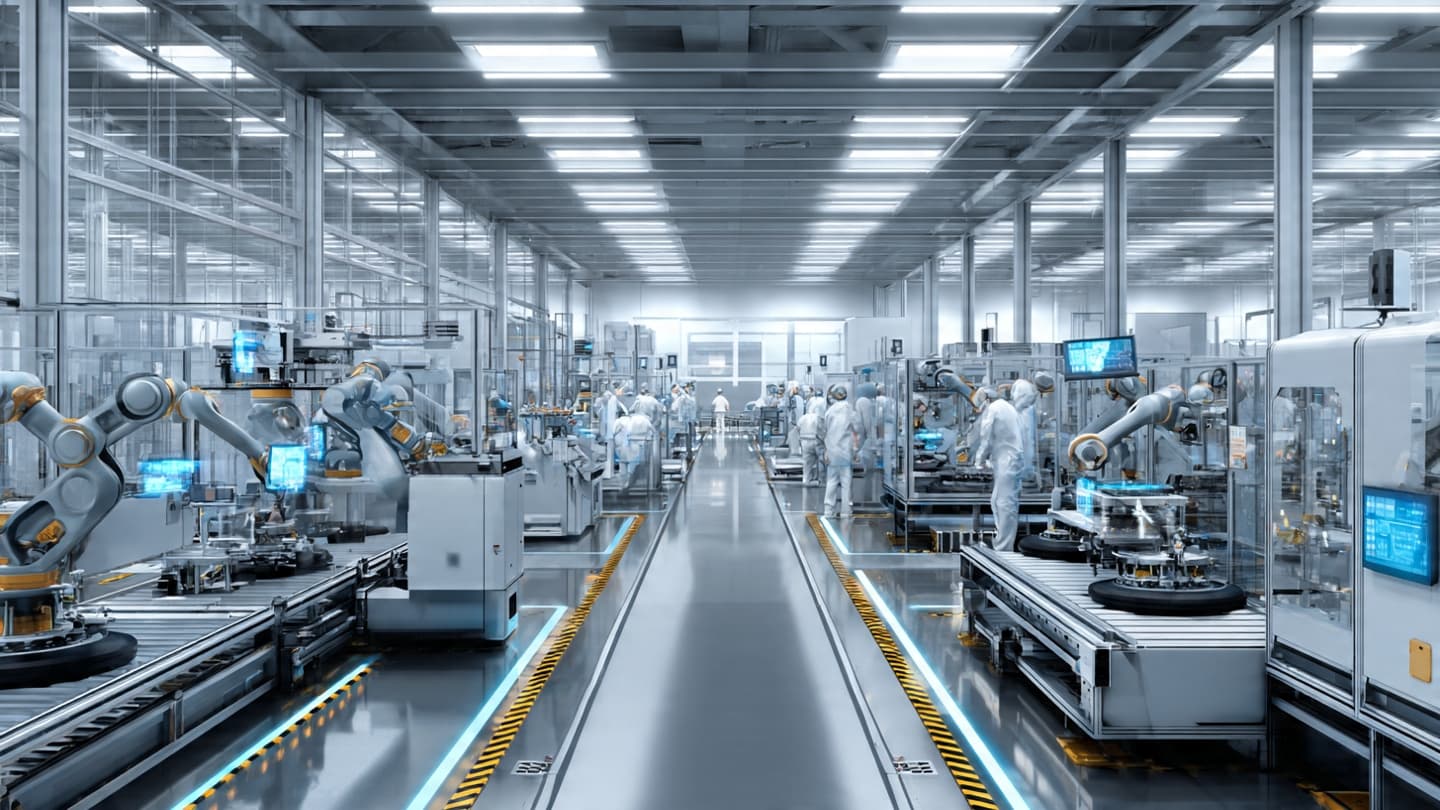
The first sounds inside a factory rarely come from conversation. They begin with machines warming to life, conveyor belts moving steadily, and lights illuminating production lines prepared for another day of careful work. Across Japan, those familiar scenes are increasingly joined by intelligent automation designed to support a changing industrial landscape.

Manufacturers throughout the country continue investing in automation technologies to improve production efficiency while responding to labor shortages and rising global competition. Robotics, artificial intelligence, and smart manufacturing systems are becoming central parts of modern industrial operations.

Many companies view automation not as a replacement for workers, but as a way to improve safety, maintain product quality, and increase production capacity. Advanced robotic systems now assist with precision manufacturing, inspection, logistics, and assembly.

The growing use of AI also enables factories to predict equipment maintenance, reduce production downtime, and optimize manufacturing schedules. These improvements allow companies to respond more quickly to changing customer demand while maintaining consistent quality standards.

Japan's long-standing expertise in industrial robotics continues to support its position as one of the world's leading manufacturing economies. Investment in automation remains closely connected with future growth in semiconductors, electric vehicles, and advanced technology industries.

As industrial transformation continues, businesses expect automation to play an increasingly important role in supporting sustainable productivity and maintaining resilient manufacturing operations for years ahead.

Published by Banx Network. This article is part of the Banx decentralized media programme, powered by the BXE token on the XRP Ledger.


Decentralized Media

Powered by the XRP Ledger & BXE Token

This article is part of the XRP Ledger decentralized media ecosystem. Become an author, publish original content, and earn rewards through the BXE token.

Newsletter

Stay ahead of the news — and win free BXE every week

Subscribe for the latest news headlines and get automatically entered into our weekly BXE token giveaway.

No spam. Unsubscribe anytime.

Share this story

Help others stay informed about crypto news

Related articles

Keep exploring the latest stories.

View more
As Competition Reshapes the Semiconductor Landscape: Asian Markets Reassess the Price of Artificial Intelligence Growth

As Competition Reshapes the Semiconductor Landscape: Asian Markets Reassess the Price of Artificial Intelligence Growth

Asian technology shares fell on October 13 as concerns about intensifying AI chip competition weighed on semiconductor stocks and encouraged investors to seek …

As Machines Shape the Tools of Healing: Reflections on Investment and Medical Manufacturing in America

As Machines Shape the Tools of Healing: Reflections on Investment and Medical Manufacturing in America

Becton Dickinson announced a long-term investment plan of $19 billion to expand medical device production in the United States and strengthen supply chain capa…

 * Between Data Centers and Factory Floors, the Global AI Boom Reshapes Investment Patterns Across an Increasingly Connected Economic Landscape

* Between Data Centers and Factory Floors, the Global AI Boom Reshapes Investment Patterns Across an Increasingly Connected Economic Landscape

The IMF said AI infrastructure investment was helping sustain global growth near 3%, with Asian economies benefiting from demand for chips and related technolo…

