The skin has always been a quiet archivist of human stories. Long before ink met needle, it carried scars of survival, sun, and time. Today, tattoos join that archive, not merely as art, but as a subtle dialogue between pigment and physiology. What appears on the surface, it turns out, does not remain there entirely.
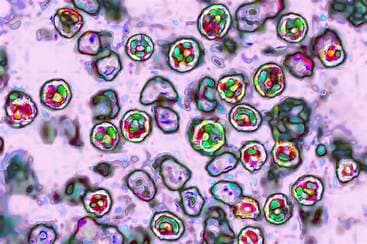
When a tattoo needle punctures the skin, the body does not see art first. It sees injury. Immune cells arrive with practiced urgency, treating pigment as a foreign presence that must be managed rather than erased. Macrophages, the immune system’s patient custodians, engulf ink particles and remain stationed in place, creating the permanence that defines tattoos. This quiet standoff is not a failure of defense, but a negotiated truce.
Recent studies suggest that this repeated exposure to controlled injury may do more than decorate the skin. Some researchers have observed changes in immune markers among heavily tattooed individuals, hinting at a system that becomes more efficient through repetition. Like a muscle trained through measured resistance, the immune response may adapt, learning restraint as much as strength.
Yet this adaptation is not uniform or fully understood. Tattooing introduces stress hormones, inflammatory signals, and cellular repair mechanisms all at once. For some, this may result in improved immune resilience; for others, particularly those with underlying conditions, it may briefly tax the body’s defenses. The immune system does not react in absolutes, but in balances.
Ink itself adds another layer of complexity. Pigments can migrate beyond the skin, settling in lymph nodes where immune activity is coordinated. This movement does not appear dangerous in most cases, but it underscores how tattoos participate in internal processes rather than remaining cosmetic artifacts. The body remembers what the skin accepts.
Researchers are careful in their conclusions. Tattoos do not function as vaccines, nor do they guarantee stronger immunity. What they reveal instead is a nuanced interaction, one that reflects the immune system’s capacity for learning, tolerance, and memory. Each tattoo becomes a small, deliberate test of biological negotiation.
As science continues to explore this intersection of art and anatomy, tattoos emerge as more than personal symbols. They become living records of how the body responds to choice, injury, and adaptation. In ink and immune cells alike, the story is still being written.
AI Image Disclaimer Illustrations were produced with AI and serve as conceptual depictions, not real photographs.
Sources:
Scientific American Nature National Institutes of Health BBC The New York Times
Published by Banx Network. This article is part of the Banx decentralized media programme, powered by the BXE token on the XRP Ledger.