In the ever‑evolving world of mobile processors, Qualcomm’s next flagship chipset — the Snapdragon 8 Elite Gen 6 Pro — is capturing attention not just for raw power, but for the practical design choices it might offer device makers. Far from being a chip solely about benchmarks and top‑end performance, current rumors suggest this new silicon may also bring unusual flexibility in memory and storage standards — a development that could help manufacturers balance performance and cost.
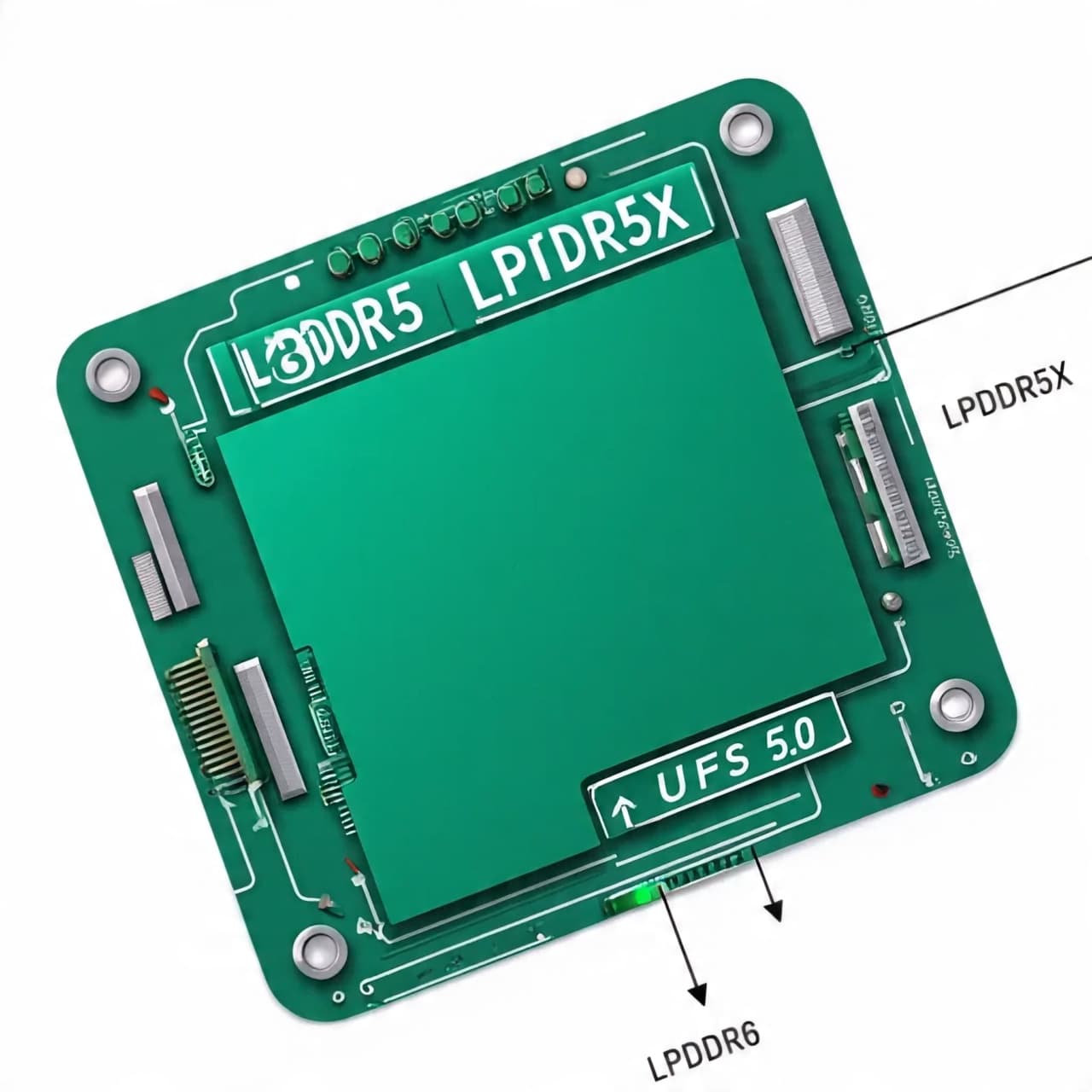
At the heart of the speculation are recent reports that Qualcomm is planning two versions of its next‑generation flagship: the Snapdragon 8 Elite Gen 6 Pro and a standard Snapdragon 8 Elite Gen 6 model. The key difference lies in memory and storage support. According to leaks, the Pro version is expected to support cutting‑edge LPDDR6 RAM and UFS 5.0 storage, but crucially it may also be compatible with older standards like LPDDR5X and even LPDDR5.
This potential backward compatibility is significant. Memory prices worldwide have been under pressure due to ongoing supply constraints — a situation some observers have dubbed a DRAM pricing crisis. In that context, giving smartphone makers the option to use less expensive RAM or storage technologies could help reduce the bill of materials (BoM) and keep overall device costs in check.
For many original equipment manufacturers (OEMs), such flexibility could be a welcome tool. Rather than forcing all upcoming flagship devices to rely exclusively on more costly LPDDR6 memory — which is expected to remain relatively rare and expensive in the near term — companies might choose to equip certain configurations with older standards to hit different price points or protect margins. This approach may mirror Qualcomm’s rumored strategy of offering a more affordable standard Gen 6 chip for broader volume adoption, while reserving the Pro SKU for premium “Ultra”‑tier devices.
That said, all of this remains rooted in industry leaks and speculation rather than official announcements from Qualcomm. If true, however, the Snapdragon 8 Elite Gen 6 Pro’s adaptive memory and storage support could offer OEMs a valuable blend of high performance and cost control — a combination increasingly important in a smartphone market where consumers demand cutting‑edge features without steep price inflation.
AI Image Disclaimer Visuals are created with AI tools and are not real photographs.
📚 Sources Industry reports and rumors from Wccftech and TweakTown indicate that Qualcomm’s upcoming Snapdragon 8 Elite Gen 6 Pro may support both newer and older DRAM and storage standards, offering flexibility for manufacturers amid rising memory costs.
Published by Banx Network. This article is part of the Banx decentralized media programme, powered by the BXE token on the XRP Ledger.