In the high-stakes theater of international diplomacy, secrecy is often a necessary shield, protecting leaders from imminent threats. Yet, when that secrecy extends to those who document history, it can blur the lines between security and transparency. Former CIA Director Leon Panetta recently stated that the White House had an "ethical requirement" to inform reporters about a sudden plane swap involving President Trump. This comment invites reflection on the delicate balance between operational safety and the public’s right to know. It is a moment where the machinery of state meets the conscience of leadership.
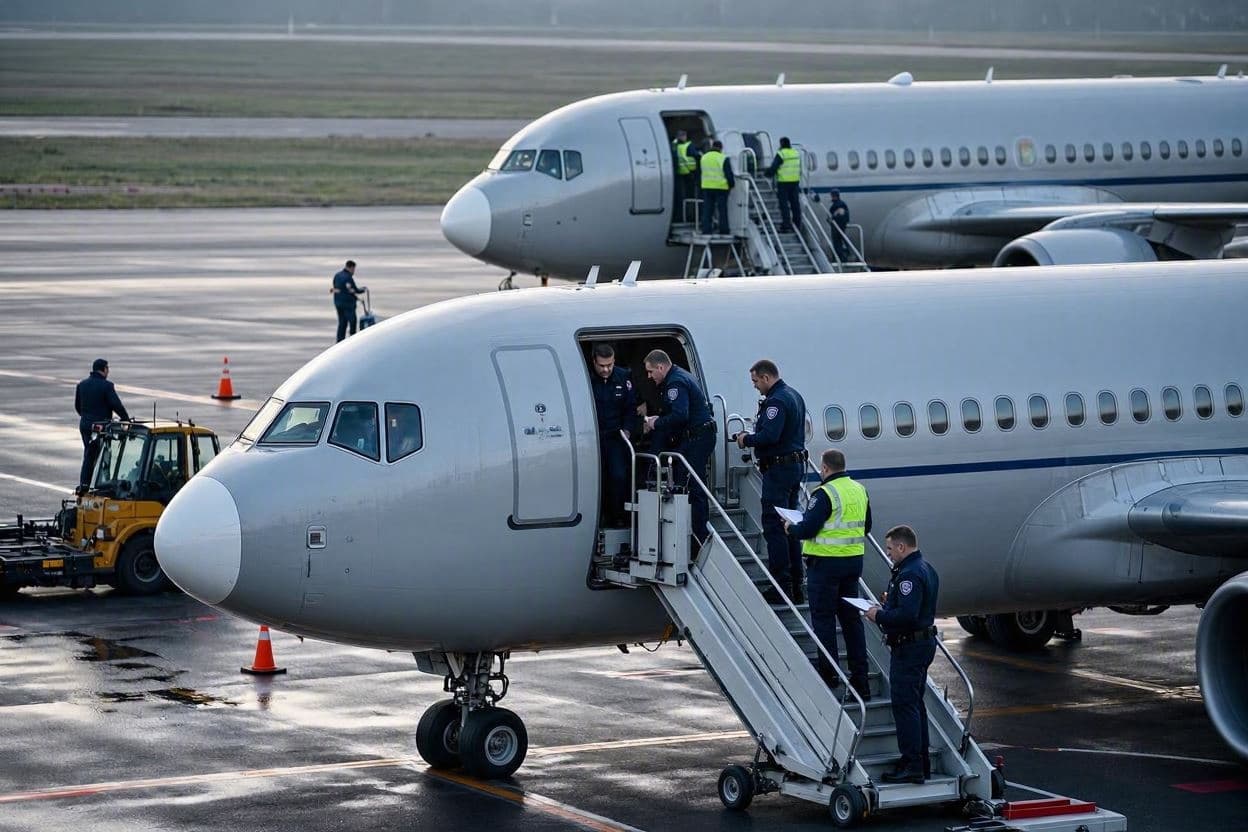
The incident occurred during President Trump’s return flight from Turkey, following a credible threat from Iran. To ensure the president’s safety, he was transferred to a different aircraft, while the original Air Force One continued with reporters and staff aboard. Safety dictates action. Secrecy follows suit.
Panetta’s critique highlights the moral dimension of such decisions. While the Secret Service’s primary duty is protection, leaving journalists unaware of the potential danger they faced raises questions about trust and responsibility. Trust is fragile. Responsibility is shared.
The White House has defended the move as a standard security protocol, emphasizing the need for swift and discreet action in the face of credible threats. For officials, the priority was preventing panic and ensuring the mission’s success. Protocol guides procedure. Calm ensures order.
However, the revelation has sparked debate among media organizations and political observers. Many argue that even in emergencies, basic courtesy and transparency are essential for maintaining a healthy relationship between the press and the presidency. Transparency builds trust. Courtesy respects role.
As the story unfolds, it serves as a reminder of the complex ethical landscape faced by those in power. Every decision carries weight, not just for security but for the integrity of democratic institutions. Integrity defines legacy. Ethics guide choice.
Former CIA Director Leon Panetta stated that the White House had an ethical obligation to inform reporters about a plane swap involving President Trump due to a security threat. The incident has sparked discussion on transparency and press safety. The hope is for clearer protocols in future emergencies.
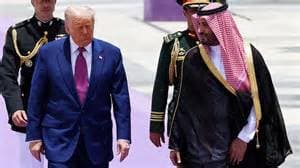
AI Image Disclaimer: The visual elements accompanying this report are AI-generated interpretations designed to reflect the political and diplomatic context of the story.
Sources: CBC News The Daily Beast NPR
Published by Banx Network. This article is part of the Banx decentralized media programme, powered by the BXE token on the XRP Ledger.