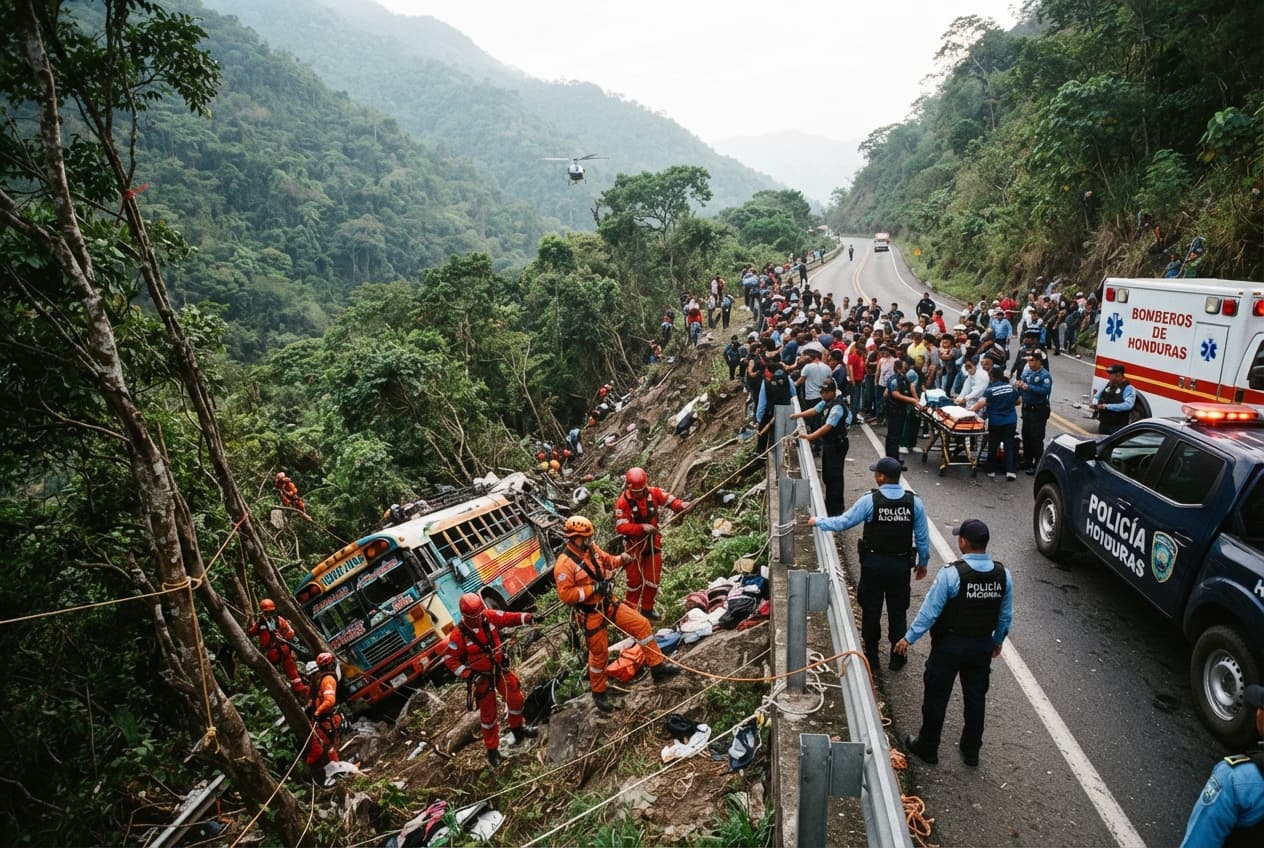
Hanoi, Vietnam—Severe flash flooding trapped vulnerable rural communities across northern Vietnam on September 28, 2026, leaving four people dead and numerous others stranded as swollen waterways swept through mountain settlements. Persistent torrential rains over consecutive days saturated regional river basins, causing sudden flash floods that destroyed homes and submerged hundreds of hectares of agricultural land. National civil defense committees reported that rescue units are utilizing heavy-duty trucks and rubber rafts to reach isolated populations.
In mountainous districts, roaring torrents of mud and debris washed away wooden houses and blocked vital rural transit routes. Local authorities mobilized military personnel to assist with emergency evacuations as water levels in residential sectors continued to rise dangerously. Provincial disaster response director Nguyen Van Minh noted that rapid runoff from denuded slopes compounded the destruction in low-lying valley communities.
Agricultural losses mounted rapidly as floodwaters submerged ripening rice fields and destroyed aquaculture fish pens across multiple provinces. Farmers surveyed the wreckage from higher ground, witnessing their primary seasonal harvest swept downstream by powerful river currents. Local economic planners estimate that infrastructure damage and crop failures will require extensive governmental rehabilitation funds.
Transportation networks suffered critical disruptions as major national highways and regional rail lines experienced severe landslide blockages and bridge washouts. Passenger trains operating along northern routes faced indefinite suspensions while engineering teams cleared tons of rock and mud from the tracks. Commercial truck transport ground to a complete halt, stranding perishable cargo shipments outside major market towns.
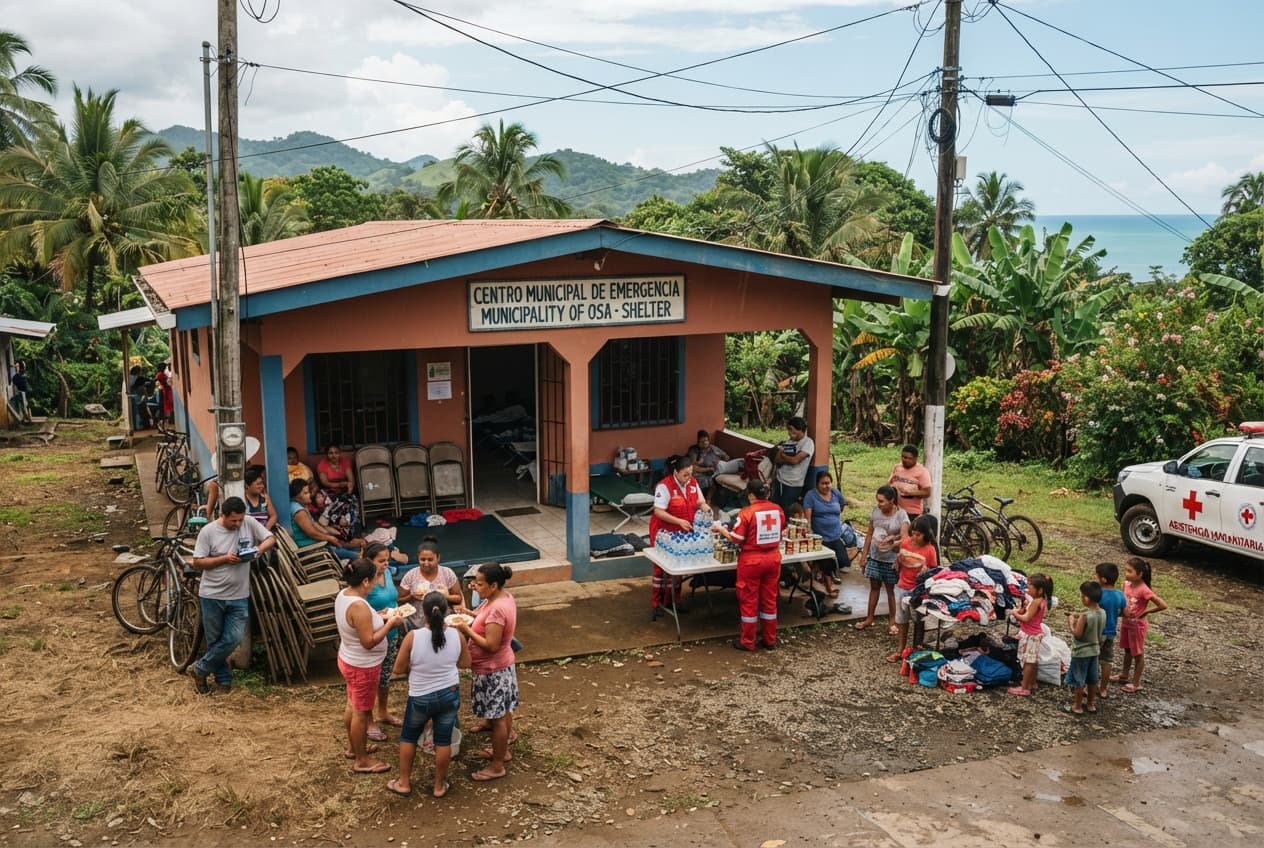
Medical response teams established mobile health clinics near evacuation centers to treat villagers for injuries, hypothermia, and waterborne ailments. Supplies of clean drinking water and emergency food packets were distributed under the supervision of local administrative cadres. Public health officials warned residents against consuming untreated well water contaminated by agricultural runoff and livestock waste.
Meteorological forecasters warn that additional weather disturbances moving south from regional high-pressure zones will bring renewed rainfall to the northern highlands. River monitoring stations remain on high alert as downstream discharge volumes test the integrity of local flood barriers. Provincial leaders issued mandatory evacuation directives for families residing within designated high-risk landslide zones.
Power grids across two northern provinces experienced total failure following substation inundations and high-tension wire snaps. Hospital facilities switched to emergency diesel generators to maintain uninterrupted surgical and intensive care operations. Fuel supplies for these generators remain constrained due to blocked road connections into provincial centers.
Search and rescue units continue combing through debris fields along riverbanks under difficult weather conditions as night falls over the region. Command headquarters coordinate aerial reconnaissance flights to locate isolated villagers stranded on elevated patches of ground. Relief distribution teams prepare for extended operations focused on shelter stabilization and sanitation management.
Published by Banx Network. This article is part of the Banx decentralized media programme, powered by the BXE token on the XRP Ledger.