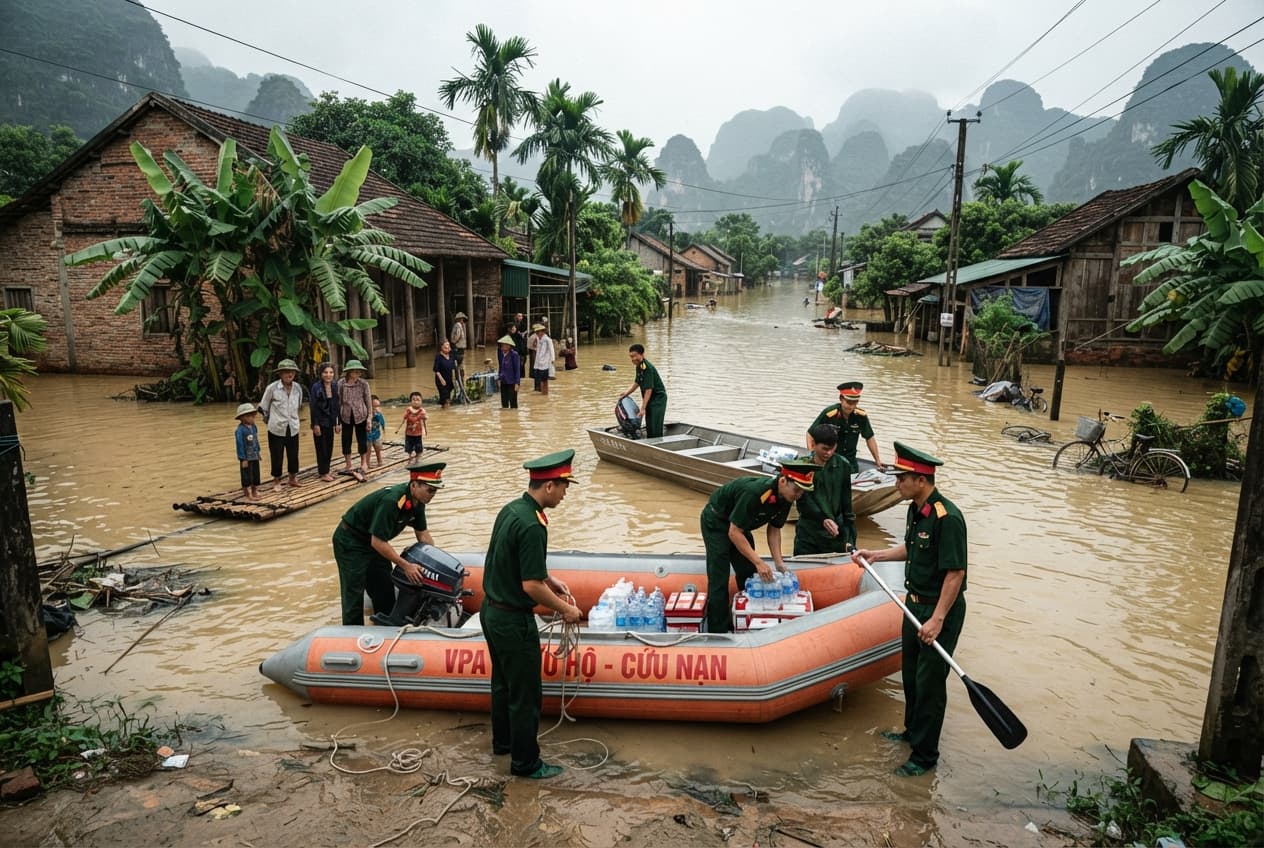
San José, Costa Rica—Flash flooding isolated multiple coastal villages along the southern Pacific zone of Costa Rica on September 28, 2026, leaving one person dead after a residential structure collapsed under surging waters. Unremitting torrential downpours battered the coastal strip for twenty-four hours, causing local rivers to overtop their natural banks and submerge low-lying neighborhoods. National Commission for Risk Prevention and Emergency Response officials confirmed that rescue boats are deployed to reach cut-off populations.
In the coastal hamlet of Golfito, a rapid flash flood surged through a residential block, undermining the foundation of a wooden home and causing it to collapse inward. Local emergency rescue workers recovered the body of a forty-five-year-old resident from the rubble before raging currents swept further into the settlement. Municipal emergency coordinator Lorena Quesada stated that the sheer speed of the inundation gave residents virtually no time to evacuate.
Transportation infrastructure suffered severe disruption as bridge approaches washed out and coastal gravel roads experienced massive washouts. Commercial fishing boats and small watercraft moored in local estuaries sustained property damage as floating debris battered hulls against wooden docks. Ministry of Public Works engineers deployed heavy equipment to clear landslide debris blocking coastal access arteries.
Agricultural plantations dedicated to banana and palm oil production across the southern lowlands remained entirely submerged beneath turbid runoff. Local agrarian cooperatives estimate extensive crop damage and significant financial losses for rural plantation workers. Public health authorities warned against consuming untreated well water contaminated by overflowing septic systems.
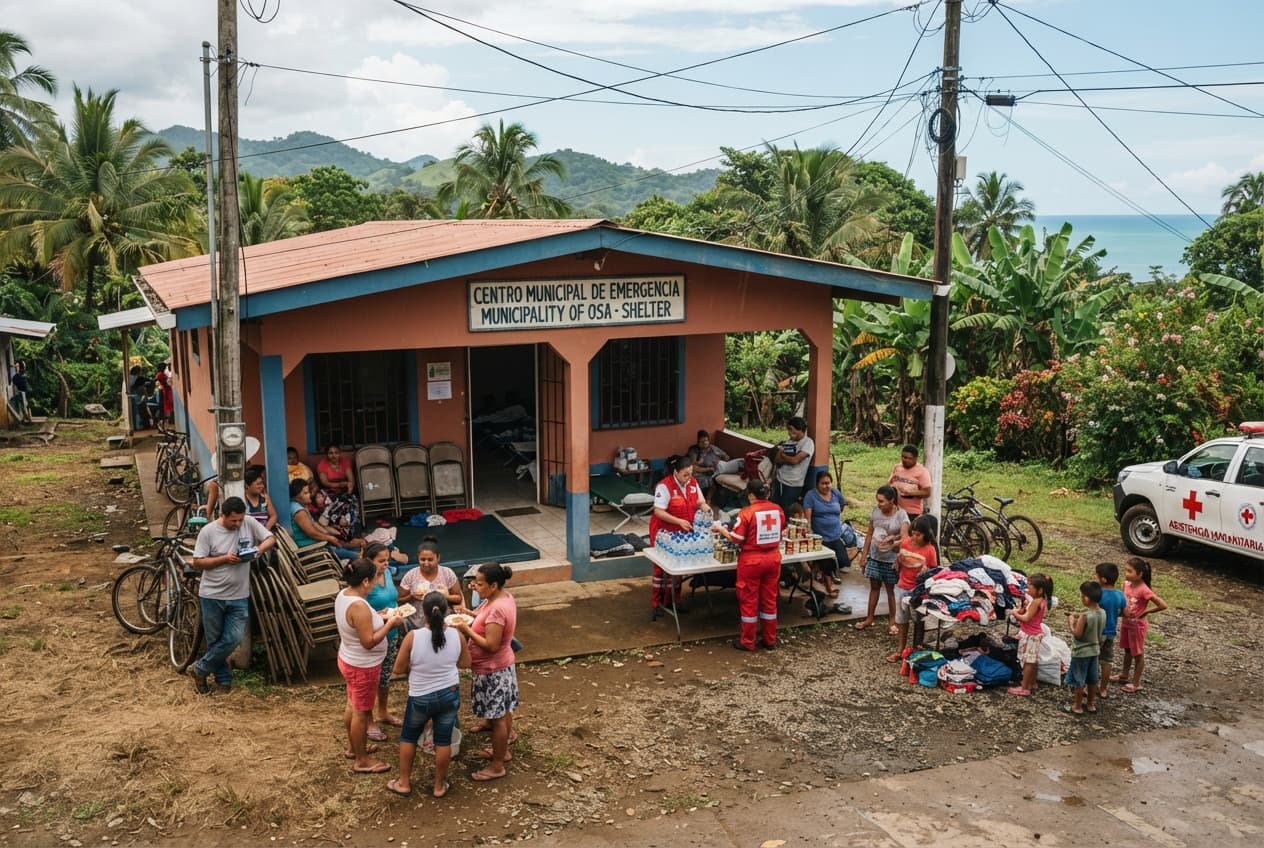
Emergency shelters established inside municipal community halls accommodated hundreds of families evacuated from flood-prone coastal sectors. Civil defense volunteers distributed bottled water, dry clothing, and food rations to displaced citizens waiting out the storm. Medical nursing units set up triage stations inside the shelters to treat minor cuts, bruises, and skin infections.
Meteorological institute radar loops show that a persistent low-pressure system off the Pacific coast will continue driving heavy moisture bands onshore. Hydrology experts issued red alerts for all river basins discharging into the southern Pacific gulf. Regional authorities maintained strict navigation bans for small marine craft along the entire coast.
Power distribution networks across two coastal cantons experienced widespread failure following utility pole washouts and falling tree limbs. Hospital facilities in regional municipal centers activated emergency backup diesel generators to maintain uninterrupted surgical capabilities. Fuel supplies for these generators remain constrained due to blocked road links.
Search and rescue operations continue under difficult weather conditions as night settles over the Pacific coastline. Command headquarters coordinate aerial drone flights to scan isolated mangrove estuaries for stranded residents. Response teams prepare for expanded sanitary management and infrastructure stabilization operations at first light.
Published by Banx Network. This article is part of the Banx decentralized media programme, powered by the BXE token on the XRP Ledger.