Far beyond the familiar constellations, where starlight softens into deep darkness, the Helix Nebula unfolds like a cosmic garden, its shapes and hues a testament to both creation and decay. The James Webb Space Telescope has now pierced its veils, revealing lavalike currents and intricate structures within the nebula that evoke rivers of molten light frozen in time. Observing these celestial patterns, one is struck by the strange, fluid beauty of matter in the final throes of stellar life.
The new images capture spiraling filaments and glowing tendrils, where gases once bound to a dying star twist and churn in a silent ballet. Colors shift from molten oranges to smoldering reds, as if the nebula itself were breathing—expelling, reshaping, and illuminating its own remnants. Scientists study these formations to understand the processes that govern stellar death, yet for the viewer, the spectacle is as much a meditation on impermanence as it is on astrophysics.
Every detail captured by Webb tells a story of transformation. The Helix, often called the “Eye of God” for its haunting appearance, reminds us that even in endings there is profound artistry. The nebula’s lavalike structures trace the flow of energy and matter across light-years, linking the final moments of one star to the possibilities of future celestial birth. In watching these cosmic fires, we are invited to witness time at its slowest, most expansive scale, where energy and form dance together in silence.
As astronomers map its contours and measure its motions, the Helix Nebula becomes both a laboratory and a canvas, teaching us that beauty and science need not be separate. Each tendril, each glowing filament, is a reminder that the universe is alive with motion, that endings are also beginnings, and that even in the distant reaches of space, form, light, and time intertwine in exquisite harmony.
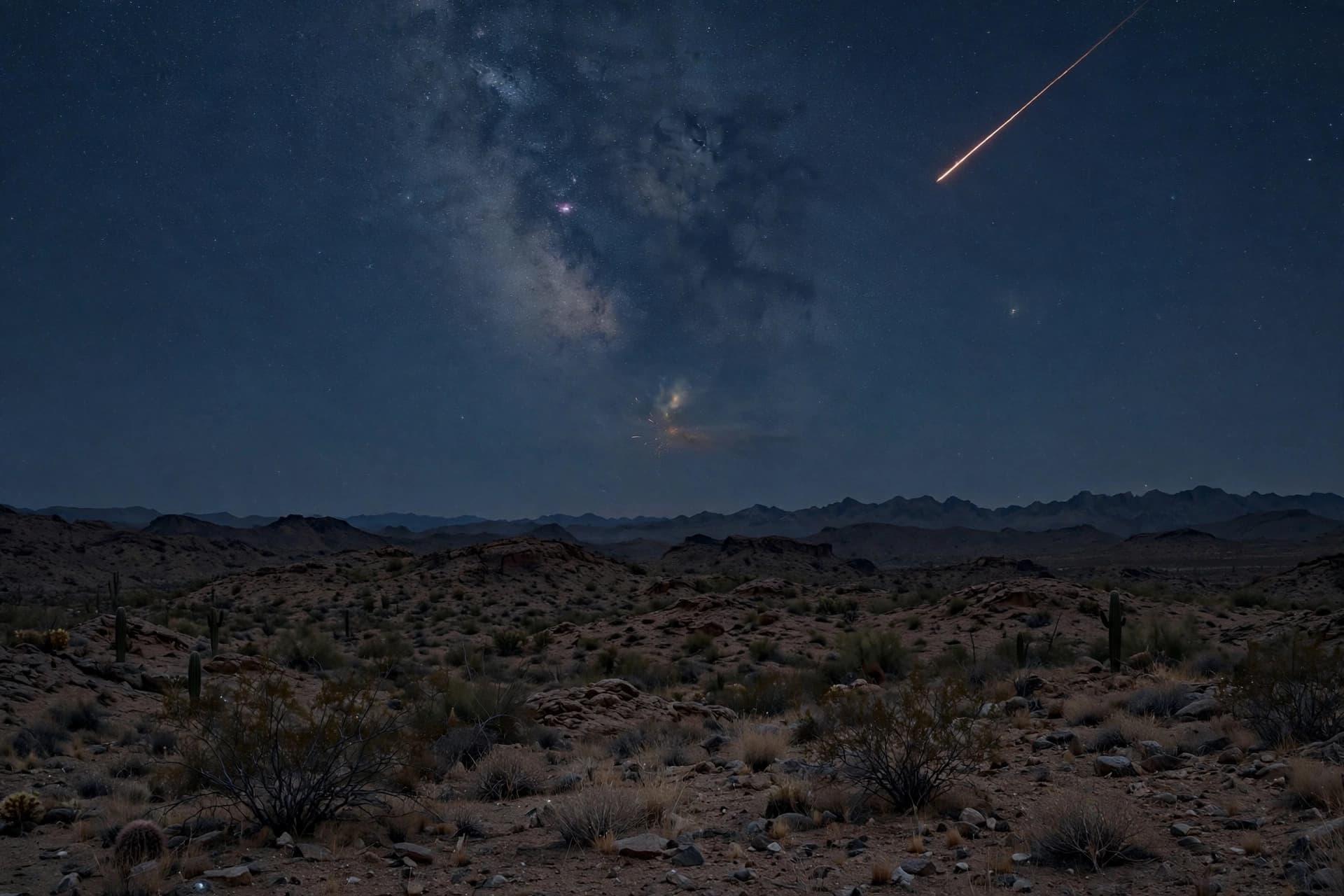
AI Image Disclaimer Visuals are AI-generated and serve as conceptual representations.
Sources NASA; ESA Webb Telescope press releases; Astrophysical Journal; Space.com coverage of Webb imagery; European Space Agency.
Published by Banx Network. This article is part of the Banx decentralized media programme, powered by the BXE token on the XRP Ledger.