Key Highlights
- Expropriation Move:Mississauga aims to expropriate two homes in Port Credit.
- Police Activity:Over 50 arrests linked to disturbances at the properties.
- Community Impact:Local school faced disruptions due to ongoing issues.
In a significant move to address ongoing disturbances, the City of Mississauga has initiated proceedings to expropriate two homes located on Peter Street in the Port Credit neighborhood. This decision comes after a troubling eighteen-month period marked by hundreds of police calls related to disturbances, drug activity, and violence. The city’s action reflects a growing concern for community safety and the need to restore order in an area that has seen its normalcy disrupted.
According to Peel Regional Police, the two properties have been the focal point of numerous incidents, with officers responding to calls that include assaults, thefts, and drug-related activities. From January 2025 to August 2026, police reported over fifty arrests connected to these homes. Councillor Stephen Dasko, representing the area, expressed his frustration with the situation, stating, "It's truly lawlessness that's going on there," highlighting the impact on local businesses and the community.
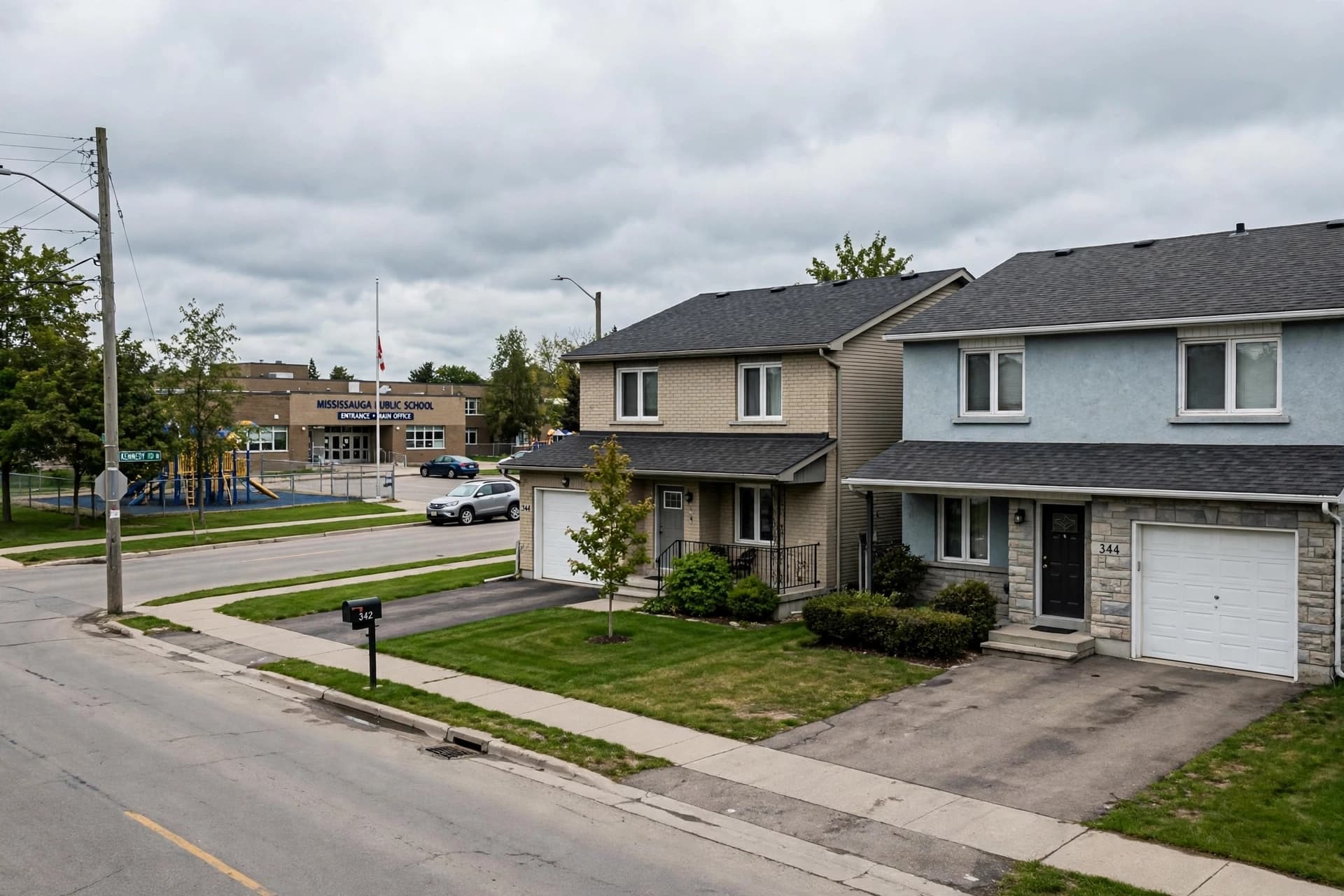
The proximity of these homes to Riverside Public School has raised alarms among parents and educators. Parent Stephanie Howell recounted two significant hold-and-secure orders last year, including one just before the holiday break, which prevented parents and students from entering or leaving the school. This disruption has had serious implications for students, particularly those with special needs who rely on consistent access to educational and health services.
The city’s decision to pursue expropriation rather than a closure order under the Municipal Act indicates a recognition that traditional methods have failed to resolve the ongoing issues. Domenic Tudino, the city’s strategic legal projects lead, explained that a closure order would require lengthy approval processes, potentially prolonging the community's suffering. Expropriation, if approved, would enable the city to acquire the properties, demolish the homes, and repurpose the land for community use, such as a parking lot, which is needed in the area.
Ava Kanner, the attorney representing the property owners, stated that her clients have been actively seeking solutions to the issues at 34 and 36 Peter Street but have faced challenges. The properties are owned by numbered Ontario corporations, complicating the situation further. It remains uncertain whether a resolution can be reached before the expropriation process is finalized.
Residents have expressed their concerns at community meetings, with one local resident, Tom Jonaitis, noting the frequent presence of police and ambulances, as well as the accumulation of trash around the homes. At a recent meeting, over a hundred residents gathered to voice their frustrations, underscoring that the problems extend beyond just the two homes; they affect the entire neighborhood and its sense of safety.
As Mississauga moves forward with this unprecedented step, the community watches closely, hoping for a resolution that will restore peace and safety to their streets. The expropriation process, if successful, could serve as a precedent for how municipalities address similar issues in the future, balancing property rights with the need for community safety and well-being.
Published by Banx Network. This article is part of the Banx decentralized media programme, powered by the BXE token on the XRP Ledger.