
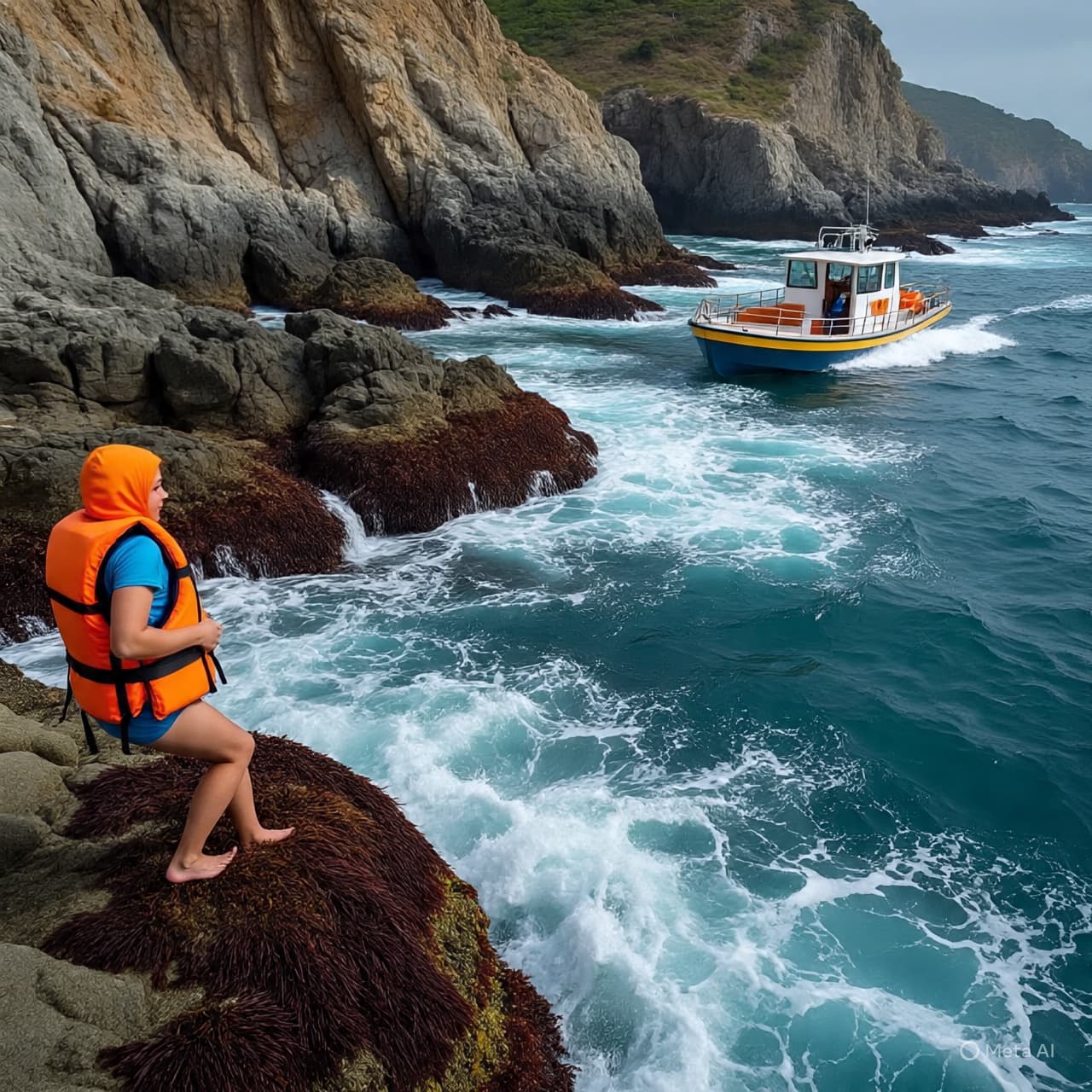
Key Highlights
- Incident:Two swimmers at Sully Island relied on AI for tide predictions.
- Rescue:A nearby restaurant owner saved the swimmers from drowning.
- Warning:Authorities emphasize using verified marine forecasts over AI tools.
On a seemingly calm day at Sully Island, Wales, two swimmers embarked on what they thought would be a routine swim to the mainland. However, their reliance on artificial intelligence for tide predictions turned a leisurely outing into a life-threatening situation. The men consulted ChatGPT, an AI tool known for its conversational abilities, to determine the best time to return based on tide conditions. Unfortunately, the AI provided incorrect information, leading them to misjudge the timing of their swim back.
As they began their return, the tide had already turned, and the ocean's powerful currents quickly swept them off course. The swimmers found themselves struggling against the rising waves, their situation becoming increasingly dire. Fortunately, their cries for help were heard by a nearby restaurant owner, who immediately jumped into action. He managed to reach the men and bring them back to safety, preventing what could have been a tragic outcome.
Local authorities later confirmed that the tide data provided by the AI was inaccurate. They reiterated the importance of consulting official marine forecasts or tide charts, especially when engaging in activities like swimming in unpredictable waters. One of the rescued swimmers expressed regret over their decision to trust a general-purpose chatbot, acknowledging it as a “big mistake.”
This incident has ignited a broader conversation about the dangers of overreliance on artificial intelligence. While AI tools can provide valuable information, they are not infallible and should not replace expert advice, particularly in critical situations involving nature. The unpredictability of the sea serves as a stark reminder that technology cannot substitute for human expertise and caution.
As discussions continue, experts urge individuals to remain vigilant and informed when engaging in outdoor activities. The ocean, with its own set of rules dictated by natural forces, demands respect and understanding. The Welsh coast, with its stunning beauty, also carries inherent risks that should not be underestimated.
In light of this incident, it is crucial for swimmers and outdoor enthusiasts to prioritize safety by relying on verified sources for information. The sea listens only to the moon, not to the machine, and understanding this fundamental truth can help prevent future tragedies.
Published by Banx Network. This article is part of the Banx decentralized media programme, powered by the BXE token on the XRP Ledger.



