
Key Highlights
- Fatalities:Over 4,000 confirmed in Lebanon since hostilities resumed.
- Medical Crisis:Hospitals overwhelmed with casualties and critical supply shortages.
- Humanitarian Aid:Efforts hindered by damaged infrastructure and security concerns.
Beirut, Lebanon—The total number of fatalities from the ongoing war has officially crossed the 4,000 threshold, the Lebanese Ministry of Public Health announced on Friday. This grim milestone follows a brutal wave of airstrikes targeting villages across the south and the eastern Bekaa Valley over the last twenty-four hours. These latest actions claimed dozens of lives, pushing the aggregate tally into unprecedented territory.
Medical infrastructure across the country is buckling under the sheer volume of casualties arriving daily. Field hospitals have been erected in northern districts to absorb overflow patients from the primary combat zones. Supplies of blood plasma, orthopedic hardware, and basic anesthetics are running critically low, according to hospital administrators. The situation is dire, with medical staff working around the clock to treat the influx of injured civilians.
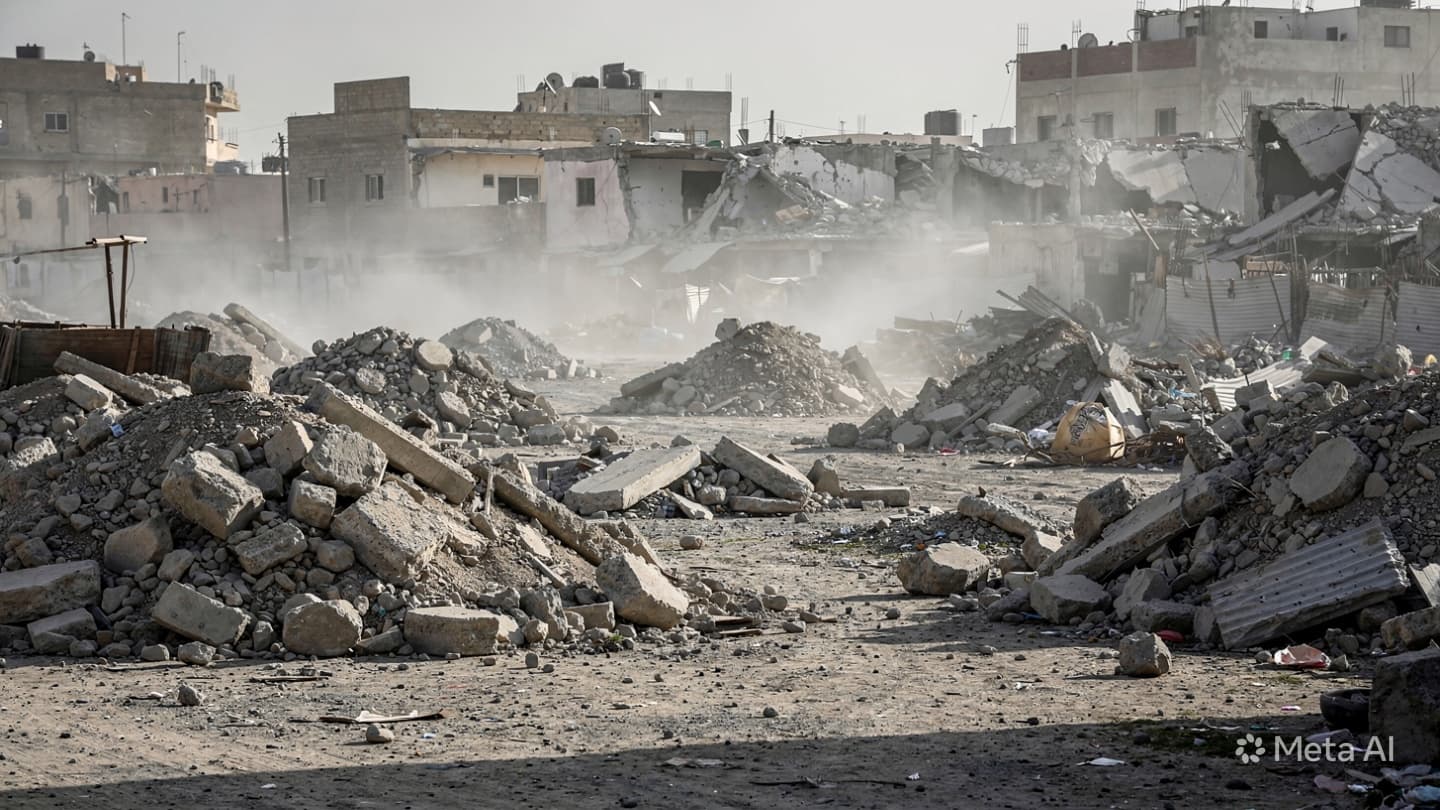
The data provided by the ministry indicates that civilians, including women and children, account for a significant portion of the recorded deaths. Rescue teams in Nabatieh spent the morning digging through the remnants of multi-story apartments flattened by recent bombardments. The tracking of the missing remains erratic due to interrupted communications, complicating rescue efforts and leaving families in anguish.
Military officials from the occupying forces maintain that their operations strictly target active militant infrastructure and weapons depots. However, the density of the border towns means that secondary explosions frequently tear through adjacent civilian residential blocks. The resulting displacement has forced over a million people onto the roads, seeking safety away from the conflict zones.
Efforts to secure a sustainable ceasefire have repeatedly stalled in international forums over territorial stipulations. Both combatant factions have dismissed recent draft proposals, citing unacceptable terms regarding border monitoring and buffer zones. The political gridlock ensures that kinetic operations on the ground show no signs of losing momentum, exacerbating the humanitarian crisis.
International aid convoys have struggled to deliver food and medical packages to isolated pockets in the south. Several main supply routes have been systematically cratered by deep-penetration munitions, making transport hazardous. Truck drivers are refusing to run routes without explicit security guarantees that rarely materialize, leaving many in desperate need without access to essential supplies.
The psychological toll on the surviving population is manifesting in overcrowded public shelters and schools turned into makeshift camps. Clean water access is deteriorating rapidly, raising concerns among health workers about potential waterborne illness outbreaks. The government has appealed for immediate international logistical assistance to prevent total systemic collapse, as the situation continues to worsen.
The ministry expects the casualty numbers to rise sharply as more remote detonation sites are cleared by civil defense volunteers. Heavy smoke continues to obscure the horizon over several southern border ridges tonight. The current security framework offers no immediate path toward stabilizing the region, leaving many to wonder how much longer the suffering will continue.
Published by Banx Network. This article is part of the Banx decentralized media programme, powered by the BXE token on the XRP Ledger.



