Every interaction with a modern AI service depends on an enormous amount of computation happening behind the screen. A question entered into a chatbot, a document summarized in seconds, or a digital assistant completing a task may rely on specialized processors operating inside data centers. As demand grows, the cost and energy required to run those systems have become central questions for technology companies.
On October 12, 2026, Microsoft announced its third-generation custom artificial intelligence processor, Maia 300, as part of a broader effort to improve the efficiency of its AI infrastructure. Reuters reported that the company was considering deploying more than one million of these chips in 2027 to support its internal AI services. The plan signals an effort to gain greater control over the hardware powering its cloud and AI products.
Custom chips are not new to the technology industry. Companies that operate large data centers increasingly design processors around their own workloads rather than relying entirely on general-purpose products from external suppliers. A chip optimized for a particular type of AI calculation may deliver a different balance of speed, energy use, and cost from one designed for a broader range of computing tasks.
Microsoft’s Maia 300 uses a modular chiplet design, according to the Reuters report. This approach combines smaller silicon components into a larger processor package, allowing designers to select manufacturing technologies for different parts of the system. The reported design uses advanced manufacturing processes for key computing components and a separate process for supporting elements, reflecting the increasingly complex engineering behind AI hardware.
The company’s motivation is partly economic. Training and operating large AI models requires substantial computing capacity, and that capacity consumes electricity, cooling resources, and capital. Even small efficiency improvements can matter when multiplied across thousands of servers. Microsoft has also projected more than $175 billion in capital expenditure for 2026, underlining the scale of investment required to build and operate its infrastructure.
Reuters reported that each Maia 300 server rack would contain 96 chips and consume approximately 167 kilowatts. The report also described Microsoft as expecting improved productive output per megawatt compared with leading GPU systems. Such comparisons depend on the workloads and performance measures being used, so they should not be interpreted as a guarantee that the processor will outperform competitors in every task.
Developing proprietary silicon may help Microsoft reduce reliance on a limited set of external hardware suppliers. It can also allow the company to coordinate chip design more closely with its software, data-center architecture, and AI services. However, building custom hardware introduces its own challenges, including manufacturing availability, software compatibility, reliability testing, and the need to support developers working with the platform.
The wider AI industry is moving toward a more diverse computing landscape. Nvidia remains a major supplier of AI accelerators, while large cloud providers are developing their own processors to manage cost and availability. These efforts do not necessarily eliminate demand for external chips. Instead, companies may use a mixture of processors depending on the workload, performance requirements, and supply conditions.
Energy efficiency is another important consideration. Data centers require electricity not only to operate computing hardware but also to support cooling and other infrastructure. As AI usage expands, the ability to complete more work with a given amount of power may become increasingly valuable. Yet improvements in efficiency can also encourage more usage, so total energy demand depends on how quickly computing capacity grows alongside technical gains.
Microsoft’s Maia 300 strategy therefore reflects a broader shift in AI from software development alone toward the physical infrastructure that makes those services possible. The chip’s commercial significance will depend on how well it performs in real workloads, how reliably it can be manufactured, and whether its efficiency translates into meaningful operating savings. In a market where computing resources are increasingly strategic, the processor inside the data center is becoming as important as the service visible to the user.
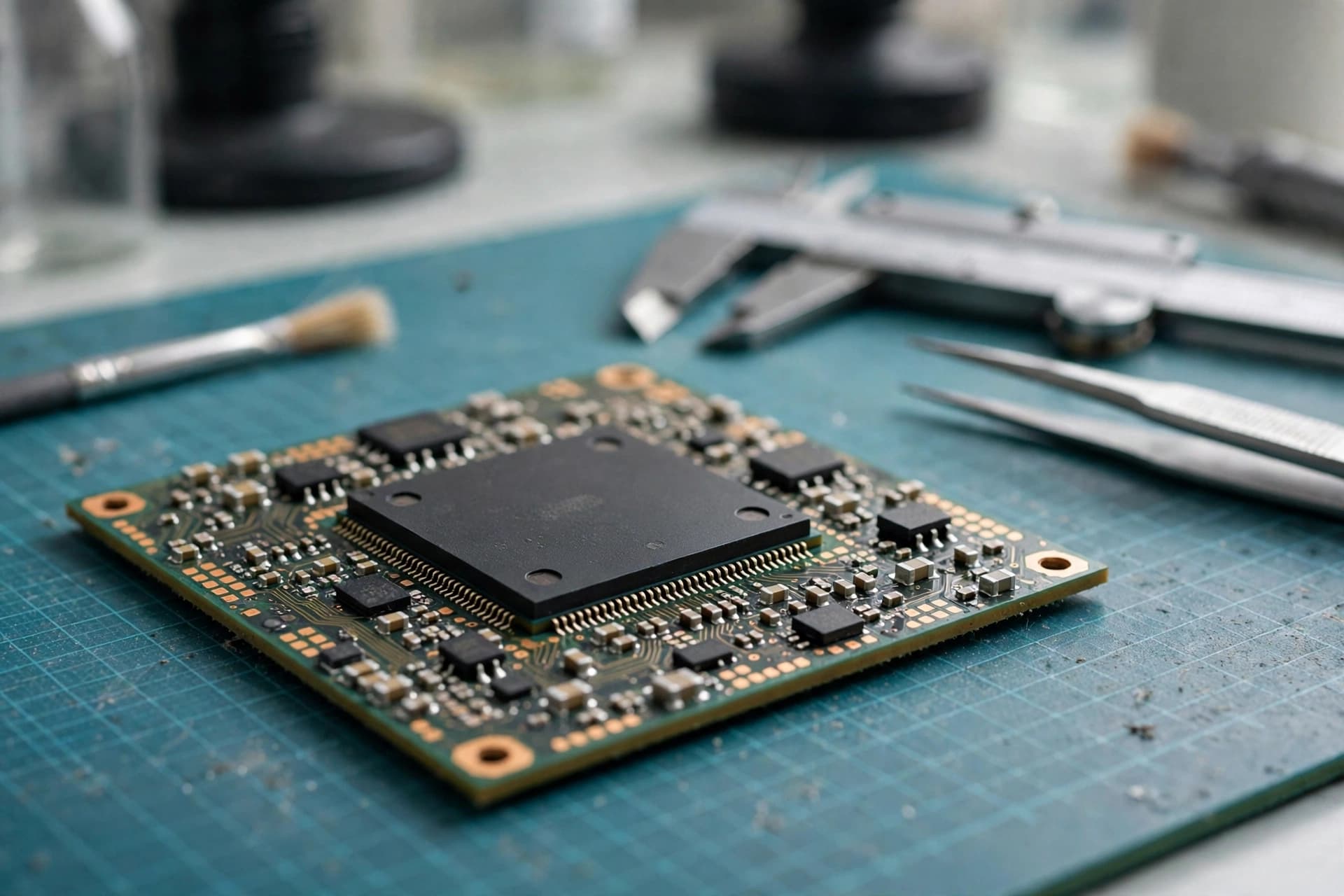
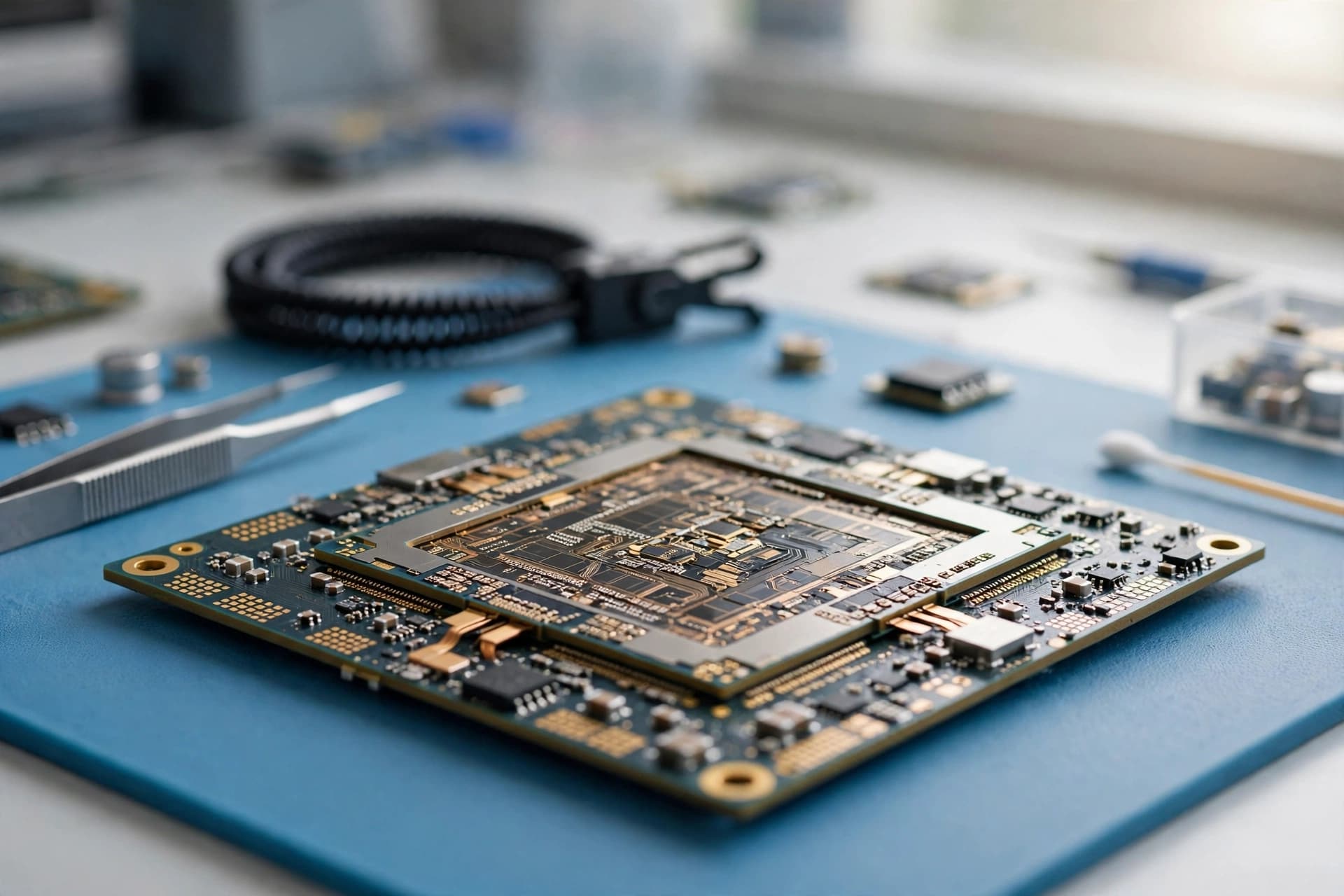
AI Image Disclaimer: Any AI-generated illustration is a conceptual representation of AI processor manufacturing and data-center infrastructure. It does not depict the exact Maia 300 chip, an authentic Microsoft server rack, or a verified performance benchmark.
Published by Banx Network. This article is part of the Banx decentralized media programme, powered by the BXE token on the XRP Ledger.