Key Highlights
- Major Disruption:Microsoft is facing a significant global outage affecting its services.
- User Impact:Over 130,000 users reported issues with Microsoft 365 applications.
- Recovery Challenges:Microsoft struggles to restore services due to server overload.
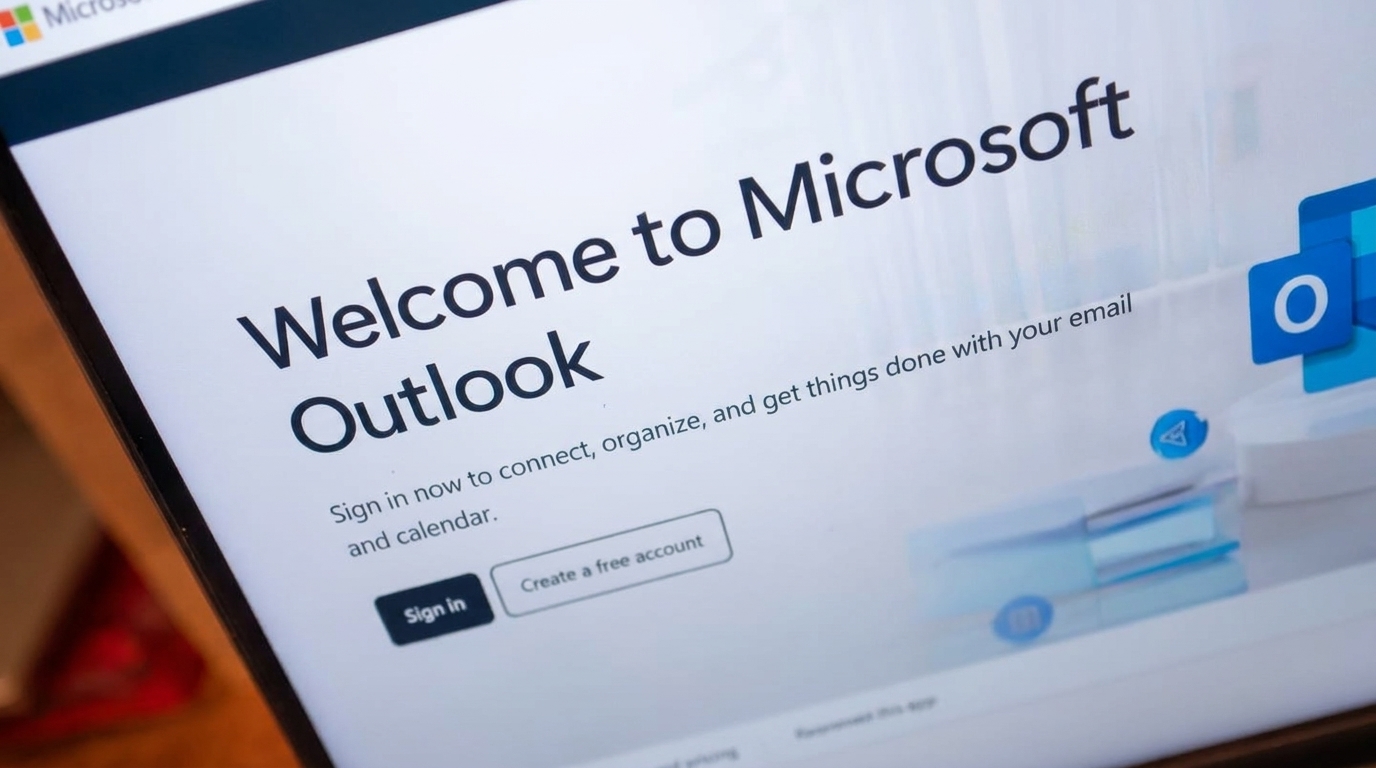
Microsoft is currently grappling with one of its most significant service disruptions of 2026, impacting a wide range of products utilized by businesses, public institutions, and individual customers. The incident began on Thursday, 12 November, and quickly escalated into a widespread disruption of Microsoft 365 services. Users have reported difficulties accessing Outlook, sending and receiving emails, and utilizing various applications connected to Microsoft's cloud-based productivity platform.
The problems are extensive, affecting not just one application but multiple services. Microsoft's incident reporting has identified disruptions impacting Exchange Online, Microsoft Teams, SharePoint Online, Microsoft 365 Copilot, Microsoft Planner, Microsoft Defender services, and Microsoft Purview, among others. According to the Associated Press, more than 130,000 users reported issues on Thursday, although the actual number of affected individuals is likely higher, as outage-reporting websites capture only a fraction of incidents.
The disruption has extended beyond individual consumers, significantly impacting organizations that rely on Microsoft's services for managing communications, documents, security, scheduling, and internal operations. For many businesses, Microsoft 365 is integral to their infrastructure, and when these services become unavailable, the consequences can ripple through customer support, administration, financial processes, and inter-departmental communication.
At the heart of the disruption is Microsoft's Exchange Online infrastructure, the cloud-based platform responsible for managing email and calendar services across Microsoft 365. Exchange Online supports Outlook and provides essential data and functionality for numerous other Microsoft products. When users encounter problems accessing their mailboxes, the effects extend to services that depend on Exchange Online. Microsoft's incident updates indicated that affected users might experience issues accessing mailboxes through Outlook on the web, desktop Outlook, Exchange ActiveSync, and REST-based connections, with potential delays in email delivery.
This interconnectedness explains why the incident has become more widespread than a simple Outlook issue. Microsoft 365 applications rely on shared services and connections to retrieve information, manage user accounts, and access organizational data. For instance, Microsoft Teams utilizes Exchange Online information for calendar functionality and meeting scheduling, while Microsoft Copilot may depend on access to work information stored across Microsoft 365 applications. The Microsoft Graph API platform provides a common way for applications and services to access Microsoft 365 data, meaning that when Exchange Online experiences significant disruption, other applications relying on its information or connections can also fail.
The recovery process has proven challenging for Microsoft. Initially, the company attempted to restore service by redistributing traffic, restarting affected servers, and moving connections away from problematic infrastructure. However, these measures did not yield the expected improvements. Microsoft's incident updates indicated that the affected infrastructure was experiencing elevated server loads across multiple regions, with a core process on affected servers becoming overwhelmed, leading to unresponsive servers and a loss of available capacity.
This situation has created a complex recovery challenge. When servers stop responding, the remaining infrastructure must handle the additional demand, placing further strain on systems already under pressure. Microsoft has been working to isolate affected infrastructure, restart components, and gradually reintroduce traffic to test system stability. As the situation develops, users and organizations are left waiting for a resolution to the ongoing disruption, highlighting the critical role that Microsoft's services play in daily operations worldwide.
Published by Banx Network. This article is part of the Banx decentralized media programme, powered by the BXE token on the XRP Ledger.