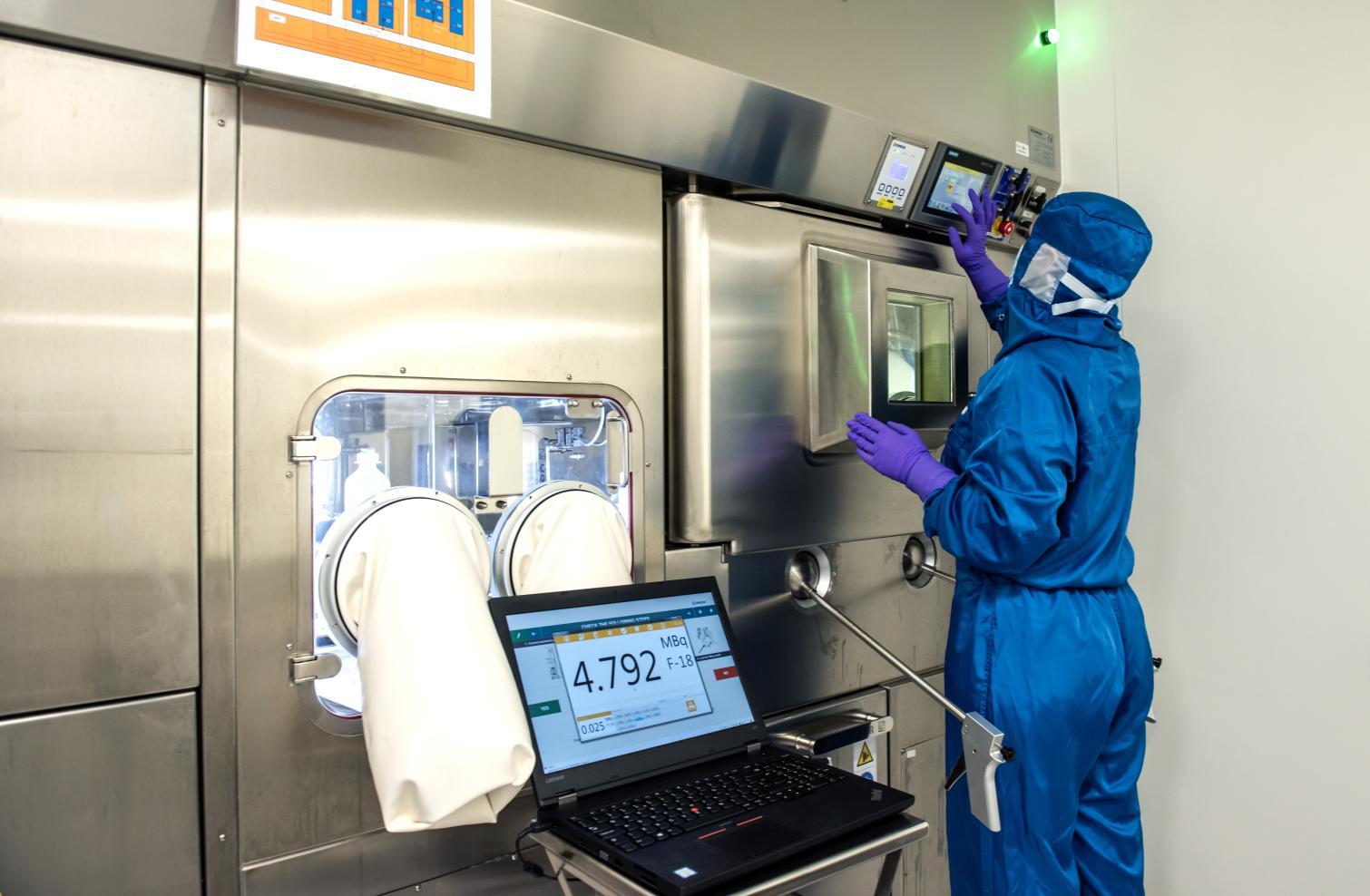
Key Highlights
- Nuclear medicine utilizes radioactive materials for cancer diagnosis and treatment.
- Radiopharmaceutical therapy targets cancer cells with precision, minimizing damage to healthy tissue.
- Theranostics combines diagnostic imaging with targeted treatment for personalized cancer care.
Nuclear medicine is reshaping the landscape of cancer treatment by leveraging the principles of radioactivity to develop innovative therapies. Traditionally associated with power generation and industrial applications, radioactivity is now being harnessed to diagnose and treat diseases, particularly cancer. This field employs radioactive materials, known as radionuclides, to assess organ function, identify abnormalities, and deliver targeted therapies that can significantly improve patient outcomes.
One of the most exciting advancements in nuclear medicine is radiopharmaceutical therapy (RPT). Unlike conventional external-beam radiotherapy, which exposes large areas of the body to radiation, RPT uses specially designed molecules to transport radioactive isotopes directly to cancer cells. This targeted approach minimizes collateral damage to surrounding healthy tissues, making it a promising alternative for patients with specific types of cancer.
The mechanism of RPT involves two critical components: a targeting molecule and a radioactive isotope. The targeting molecule is engineered to recognize specific proteins or receptors associated with cancer cells, acting as a delivery system for the radioactive material. Once administered, the radiopharmaceutical travels through the body, binding to its intended target. The radioactive isotope then emits energy that damages cellular structures, including DNA, ultimately inhibiting the growth and survival of cancer cells.
Different isotopes produce varying types of radiation, which can influence treatment effectiveness. For instance, beta-emitting isotopes like lutetium-177 release particles that can penetrate tissues to a limited extent, potentially affecting nearby cancer cells. In contrast, alpha-emitting isotopes deliver a higher energy transfer over shorter distances, making them suitable for targeting hard-to-reach or resistant tumors. The choice of isotope and targeting molecule is crucial, as the effectiveness of RPT depends on the tumor's biology and the distribution of the radiopharmaceutical within the body.
A significant development in this field is the concept of theranostics, which integrates diagnostic imaging with targeted treatment. This approach allows for a more personalized cancer care strategy. Initially, a patient may receive a diagnostic radiopharmaceutical that binds to a specific cancer-associated target. Imaging techniques, such as PET scans, can then detect the radioactive signal, confirming the presence and location of the target. If the imaging results indicate that the cancer expresses sufficient amounts of the target, a corresponding therapeutic radiopharmaceutical can be administered to deliver radiation directly to the cancer cells.
An illustrative example of theranostics in action is the use of prostate-specific membrane antigen (PSMA) in prostate cancer. PSMA is a protein often found at elevated levels in prostate cancer cells. By using gallium-68-labelled compounds, doctors can identify PSMA-positive tumors through PET imaging. If confirmed, a related treatment using lutetium-177 can be employed to target and irradiate those cancer cells effectively.
As the field of nuclear medicine continues to evolve, the integration of advanced technologies and a deeper understanding of cancer biology are paving the way for more effective and personalized treatment options. With several radiopharmaceutical therapies already receiving regulatory approval, the future of cancer treatment looks promising, offering hope to patients and healthcare providers alike.
Published by Banx Network. This article is part of the Banx decentralized media programme, powered by the BXE token on the XRP Ledger.