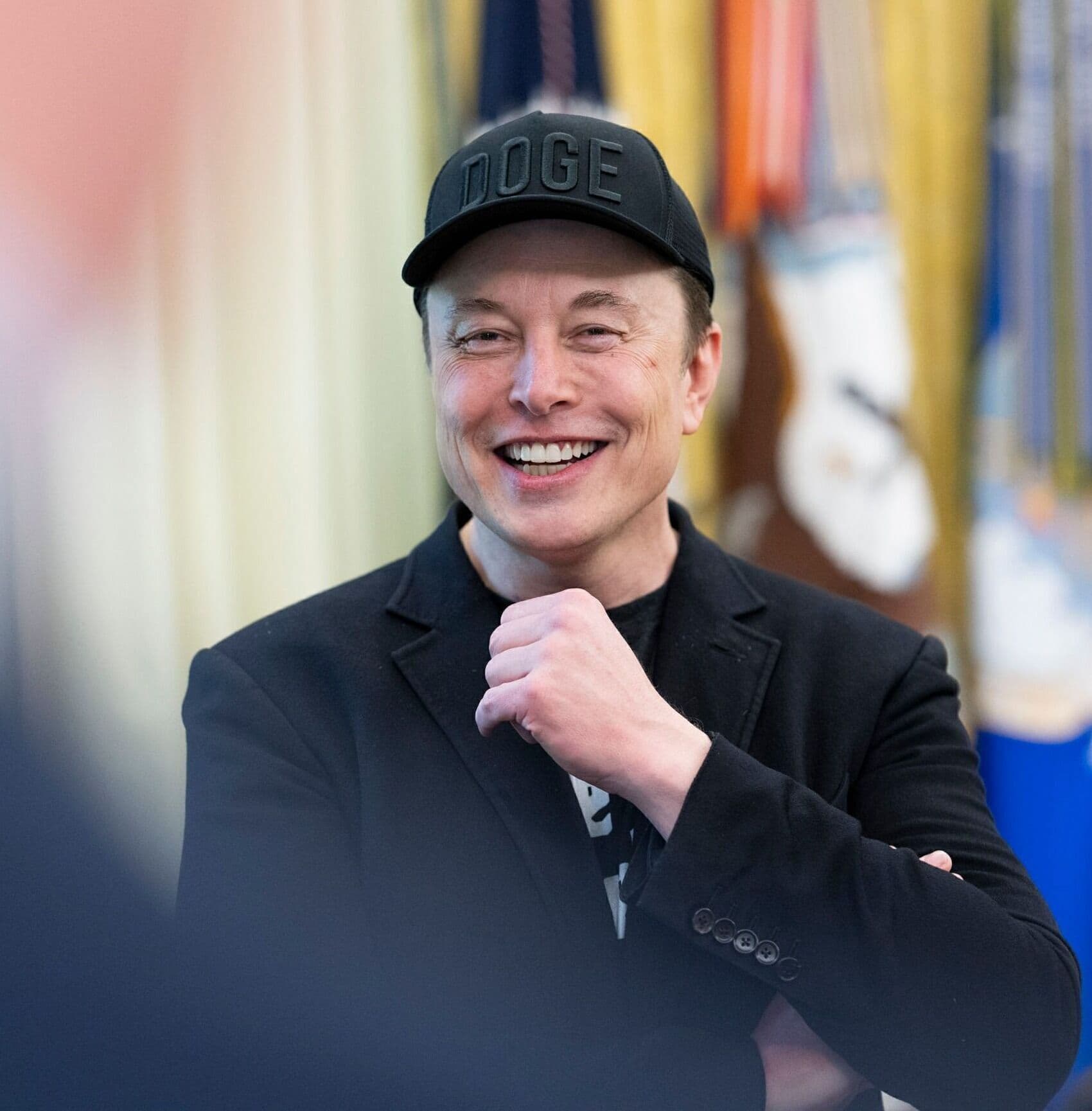
A debate over the future of internet traffic and artificial intelligence has intensified after investor Michael Burry questioned Elon Musk's prediction that AI agents will eventually generate vastly more internet traffic than humans. Musk has argued that the growth of AI agents will be so significant that human-generated internet activity could become comparatively small. Burry, however, believes the forecast may set a lower bar than many people realize and has questioned who will ultimately pay for AI agents to interact across the internet. The disagreement highlights one of the most important unanswered questions surrounding the next stage of artificial intelligence: what happens when software agents become active participants on the internet rather than simply tools used by humans? Today's internet traffic is generated by a mixture of people, businesses, applications, automated systems and machines. AI agents could add another enormous layer of activity. Instead of a person manually searching for a product, comparing prices and completing a transaction, an AI agent could potentially perform those tasks on the user's behalf. The implications could be substantial. An agent might search dozens of websites, communicate with other software systems, analyze information, negotiate options and eventually complete an action. Each of these interactions could generate data requests and network traffic. At a sufficiently large scale, millions or billions of agents could produce activity far beyond what humans could generate manually. Musk's argument is that this transformation could result in AI-agent traffic vastly exceeding human internet usage. If agents become responsible for shopping, research, financial analysis, scheduling, customer service and other activities, the internet could increasingly become a machine-to-machine environment. Burry's criticism focuses on the economics behind that prediction. Traffic itself does not necessarily create valuable revenue. A website can receive enormous numbers of automated requests without those requests producing enough economic value to justify the infrastructure required to support them. This creates the central question: who pays for AI agents to communicate? If an AI agent repeatedly visits websites, queries databases or interacts with other agents, each interaction consumes computing power, network capacity and potentially paid services. Somebody must ultimately cover those costs. The user could pay through a subscription, companies could pay for access, advertisers could subsidize the activity, or businesses could establish new payment systems between software agents. The answer could determine whether the agentic internet becomes a massive commercial ecosystem or simply generates enormous amounts of low-value automated traffic. There is also an important distinction between internet traffic and economic productivity. A large increase in data requests does not automatically mean that the economy has become more productive. If millions of agents repeatedly exchange information without producing meaningful outcomes, traffic could rise while economic value remains limited. On the other hand, if AI agents successfully automate valuable tasks, the increase in machine activity could represent a genuine transformation of the digital economy. Businesses could use agents to manage inventories, negotiate purchases, monitor markets, coordinate logistics and interact with customers. Consumers could delegate increasingly complex decisions to personal AI systems. This raises another issue: the structure of websites themselves may need to change. Much of today's internet is designed around humans viewing pages, clicking buttons and filling out forms. AI agents require structured information, machine-readable interfaces and secure ways to authenticate users and authorize transactions. Payment infrastructure could become particularly important. If agents are expected to purchase services or exchange value automatically, they need mechanisms that allow transactions to occur without constant human intervention. This could create opportunities for digital-payment networks and programmable financial systems. Security would also become more important. An agent capable of making decisions and spending money on behalf of a user would need strict permissions. Users would need to know exactly what an agent is authorized to purchase, which services it can access and how much it can spend. The debate between Musk and Burry therefore goes beyond a disagreement over a traffic forecast. It represents a deeper question about the architecture of the next internet. Musk is emphasizing the potential scale of machine-generated activity. Burry is challenging whether that activity will necessarily translate into economically sustainable demand. Both perspectives can be relevant simultaneously: AI agents could generate enormous amounts of traffic while the business models supporting that traffic remain uncertain. The next phase of AI development may consequently depend less on simply making agents smarter and more on making them economically useful. If agents can reliably create value greater than their operating costs, businesses and consumers will have a reason to deploy them at massive scale. If they cannot, the predicted explosion in agentic activity may prove far less economically significant than the raw traffic numbers suggest. The coming years will reveal whether AI agents merely become another source of internet requests or whether they fundamentally change how commerce, information and digital payments operate.
Published by Banx Network. This article is part of the Banx decentralized media programme, powered by the BXE token on the XRP Ledger.