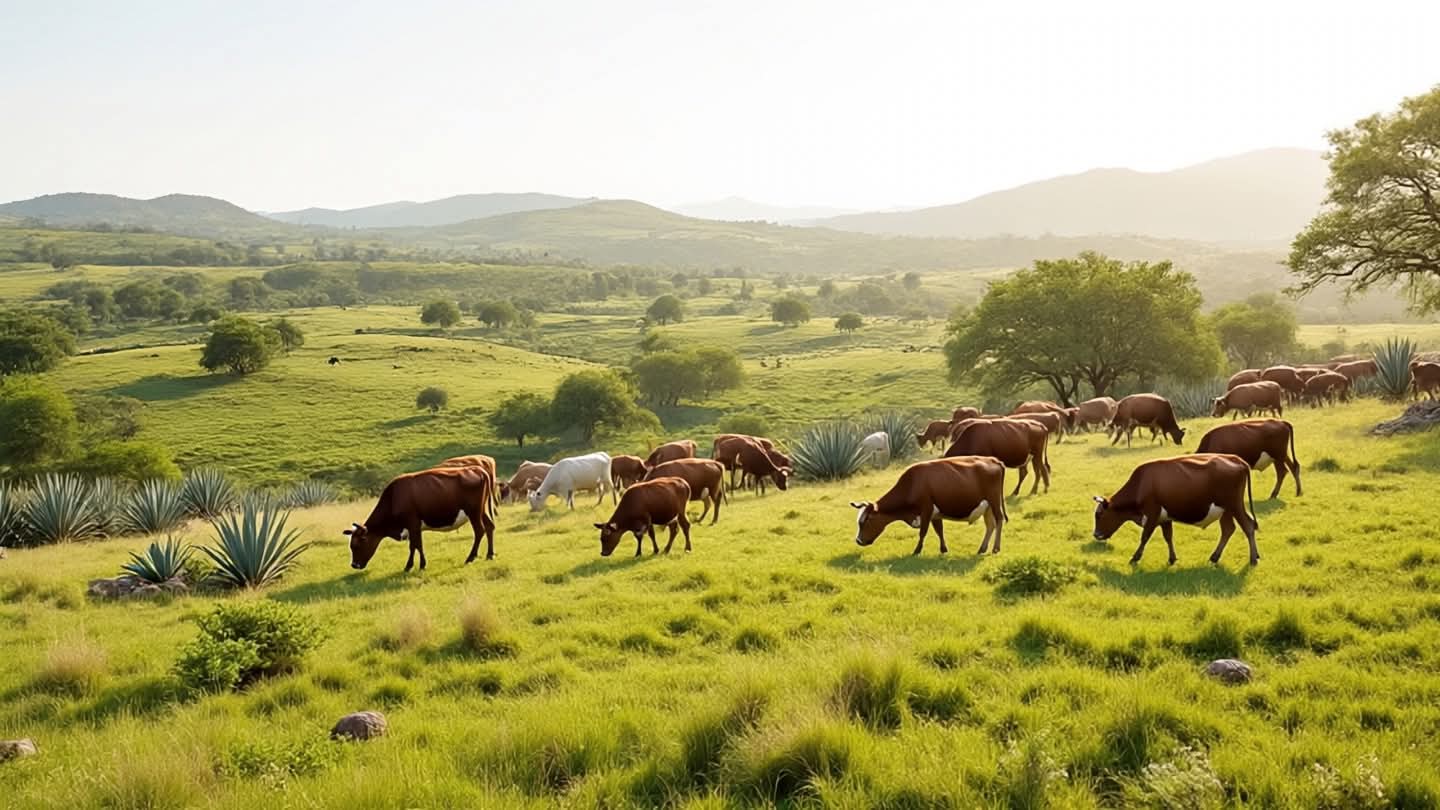
In the sun-drenched pastures of northern Mexico, where cattle graze under the watchful eyes of ranchers who have waited with bated breath, a long-awaited door is slowly creaking open. After more than a year of suspended trade, Mexican livestock producers are preparing to resume exports to the United States. This reopening, however, comes with a caveat: stringent new controls designed to prevent the spread of the New World screwworm, a parasitic pest that threatened to devastate herds on both sides of the border.
The ban, imposed in late 2024, was a necessary but painful measure for an industry deeply intertwined across the border. For many ranchers, the suspension meant lost revenue and logistical headaches, as they sought alternative markets or held onto inventory longer than planned. The anticipation of resuming sales has brought a mix of relief and caution. While the economic lifeline is being restored, the memory of the outbreak serves as a sobering reminder of the fragility of agricultural security.
The New World screwworm, a fly whose larvae feed on the living tissue of warm-blooded animals, posed a significant threat to animal health and welfare. Its detection in parts of Texas and New Mexico triggered immediate action from both governments. The subsequent ban was not just a trade restriction but a biosecurity imperative. Now, as the risk is deemed manageable, the focus has shifted to prevention through rigorous inspection and treatment protocols at border crossings.
Starting August 24, 2026, limited imports will resume through specific ports, such as Douglas, Arizona. The process involves meticulous checks, including the application of preventive treatments and close monitoring of animal health. These measures are designed to ensure that no infected animals cross into the U.S., protecting the domestic livestock industry from a potential resurgence of the parasite. For ranchers, this means additional steps and costs, but ones they are willing to bear for the sake of market access.
The phased approach allows authorities to monitor the effectiveness of these controls before expanding the volume of trade. It is a cautious dance between economic necessity and biological safety. Industry groups have welcomed the decision, noting that it provides much-needed stability for producers who rely on the cross-border flow of cattle. The resumption of trade is seen as a vital step toward normalizing relations and supporting the rural economies that depend on it.
For consumers, the impact may be subtle but positive. A steady supply of beef helps maintain stable prices and ensures variety in the market. The integration of Mexican and U.S. livestock sectors has long been a cornerstone of North American agriculture, and its restoration strengthens the overall resilience of the food supply chain. It is a testament to the interdependence of neighboring nations in meeting shared needs.
Environmental and animal welfare advocates continue to monitor the situation, urging vigilance against any lapses in protocol. The screwworm outbreak highlighted the importance of international cooperation in managing agricultural threats. By working together, Mexico and the U.S. have developed a framework that prioritizes safety without completely halting commerce. This collaborative model may serve as a blueprint for handling future biosecurity challenges.
In the end, the resumption of livestock sales is a victory for pragmatism and partnership. It acknowledges the risks while embracing the benefits of trade. For Mexican ranchers, it is a return to routine, albeit with heightened awareness. For the broader economy, it is a sign of recovery and resilience. The hope is that these tight controls will keep the herds healthy and the markets flowing, ensuring a sustainable future for the industry.
AI Image Disclaimer: The visual elements in this article are AI-generated illustrations depicting pastoral landscapes and abstract representations of border inspections, designed to reflect the themes of agriculture and biosecurity without showing real proprietary images of specific ranches or official government inspection procedures.
Sources: Associated Press, ABC News, Hoosier Ag Today, KSAT
Published by Banx Network. This article is part of the Banx decentralized media programme, powered by the BXE token on the XRP Ledger.