Key Highlights
- Proposition 40:California voters rejected a proposed 5% tax on billionaires' assets.
- Vote Outcome:The measure was defeated by 52.8% to 47.2%.
- Economic Concerns:Opponents warned the tax could drive wealthy residents out of the state.
California voters have decisively rejected Proposition 40, a proposed one-time 5% tax on the assets of billionaires, which was aimed at offsetting cuts to federal healthcare funding. The measure was defeated with 52.8% of voters opposing it compared to 47.2% in favor, according to results reported by the Associated Press. This significant decision reflects the ongoing debate in California regarding taxation and its potential impact on the state's economy.
The campaign surrounding Proposition 40 was marked by intense opposition from various stakeholders, including Governor Gavin Newsom and numerous business groups. Opponents argued that implementing such a tax could lead to an exodus of wealthy residents from California, thereby weakening the state's economy and diminishing tax revenue. This concern is particularly poignant in a state that has already experienced notable outmigration trends among high-income individuals.
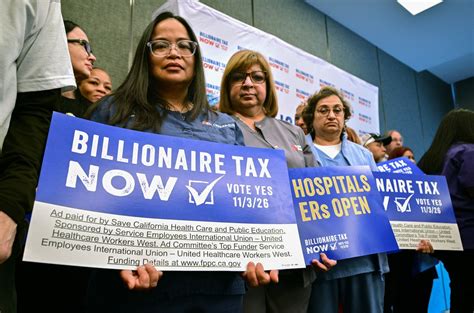
Supporters of the tax, however, contended that it was a necessary measure to help replace losses in healthcare funding. They argued that the wealthiest Californians should contribute more to support essential services, especially in light of federal cuts that could adversely affect healthcare access for many residents. The proponents of Proposition 40 believed that the tax could generate significant revenue to bolster the state's healthcare system.
The campaign was one of the most expensive in California's history, with substantial financial backing from tech billionaires and other affluent individuals who opposed the tax. This heavy spending on the opposition side highlighted the stakes involved, as both sides recognized the potential implications of the tax on California's fiscal landscape.
As the dust settles from this election, the rejection of Proposition 40 raises questions about the future of taxation in California, particularly regarding how the state will address funding for critical services like healthcare. The outcome may also influence future proposals aimed at taxing wealth, as lawmakers and advocates reassess the political climate and public sentiment surrounding such measures.
In the wake of this decision, California's leaders will need to navigate the complex interplay between taxation, economic growth, and public services. The debate over how to fund essential programs while maintaining a favorable environment for businesses and high-income residents is likely to continue, shaping the state's policy landscape for years to come.
Published by Banx Network. This article is part of the Banx decentralized media programme, powered by the BXE token on the XRP Ledger.