In the quiet corridors of public health history, few diseases have left as indelible a mark as measles, once a common childhood rite of passage and now a preventable threat that has quietly returned to the forefront of American concern. As vaccination rates subtly decline in various communities, the shield of herd immunity thins, allowing this highly contagious virus to find new footholds in a population that had largely forgotten its sting.
The recent surge in cases is not merely a statistical anomaly but a reflection of shifting societal attitudes toward immunization, compounded by misinformation and pandemic-related disruptions. It serves as a gentle yet firm reminder that the health of the collective depends on the choices of the individual, and that the peace of mind provided by vaccines is a shared responsibility rather than a personal privilege.
Body: According to data from the Centers for Disease Control and Prevention, the United States has recorded its highest number of measles cases since the disease was declared eliminated in the year 2000. The current tally has surpassed previous records, with hundreds of confirmed infections reported across multiple states in early 2026. This resurgence marks a significant turning point, challenging the long-held belief that measles was a relic of the past in developed nations.
The primary driver behind this increase is a noticeable dip in vaccination coverage, particularly among young children. While national averages may still appear robust, localized pockets of under-vaccination have created vulnerable clusters where the virus can spread rapidly. These gaps are often found in communities where philosophical or religious exemptions are more commonly exercised, or where access to healthcare services has been hindered by recent systemic challenges.
Health officials note that measles is one of the most contagious viruses known to humanity, capable of lingering in the air for up to two hours after an infected person has left a room. This extreme transmissibility means that even a small drop in vaccination rates can lead to disproportionate outbreaks. The virus does not discriminate, affecting individuals regardless of background, though those who are unvaccinated remain at the highest risk of severe complications.
The impact of these outbreaks extends beyond immediate health concerns, disrupting schools, childcare centers, and community events. Families find themselves navigating quarantine protocols and medical appointments, adding stress to daily life. For healthcare providers, the rise in cases represents a renewed burden, requiring vigilance in diagnosis and isolation procedures to prevent further spread within clinical settings.
Public health campaigns have intensified efforts to educate parents about the safety and efficacy of the MMR vaccine, countering misinformation with clear, evidence-based communication. Trust-building remains a central challenge, as officials work to reconnect with communities that have grown skeptical of medical institutions. The goal is not to judge but to inform, offering support and resources to those who may have hesitated due to confusion or fear.
Internationally, the situation mirrors trends seen in other countries where vaccine hesitancy has taken root. Global travel facilitates the movement of the virus, meaning that outbreaks abroad can quickly influence domestic case numbers. This interconnectedness underscores the need for a coordinated global approach to immunization, recognizing that health security is a borderless concept in the modern world.
Closing: As the nation confronts this renewed challenge, the focus remains on restoring confidence in preventive care and ensuring equitable access to vaccines. The record-breaking numbers serve as a call to action, urging a return to the communal values that once kept such diseases at bay. With continued effort and compassion, the hope is to rebuild the protective wall that safeguards the most vulnerable among us.
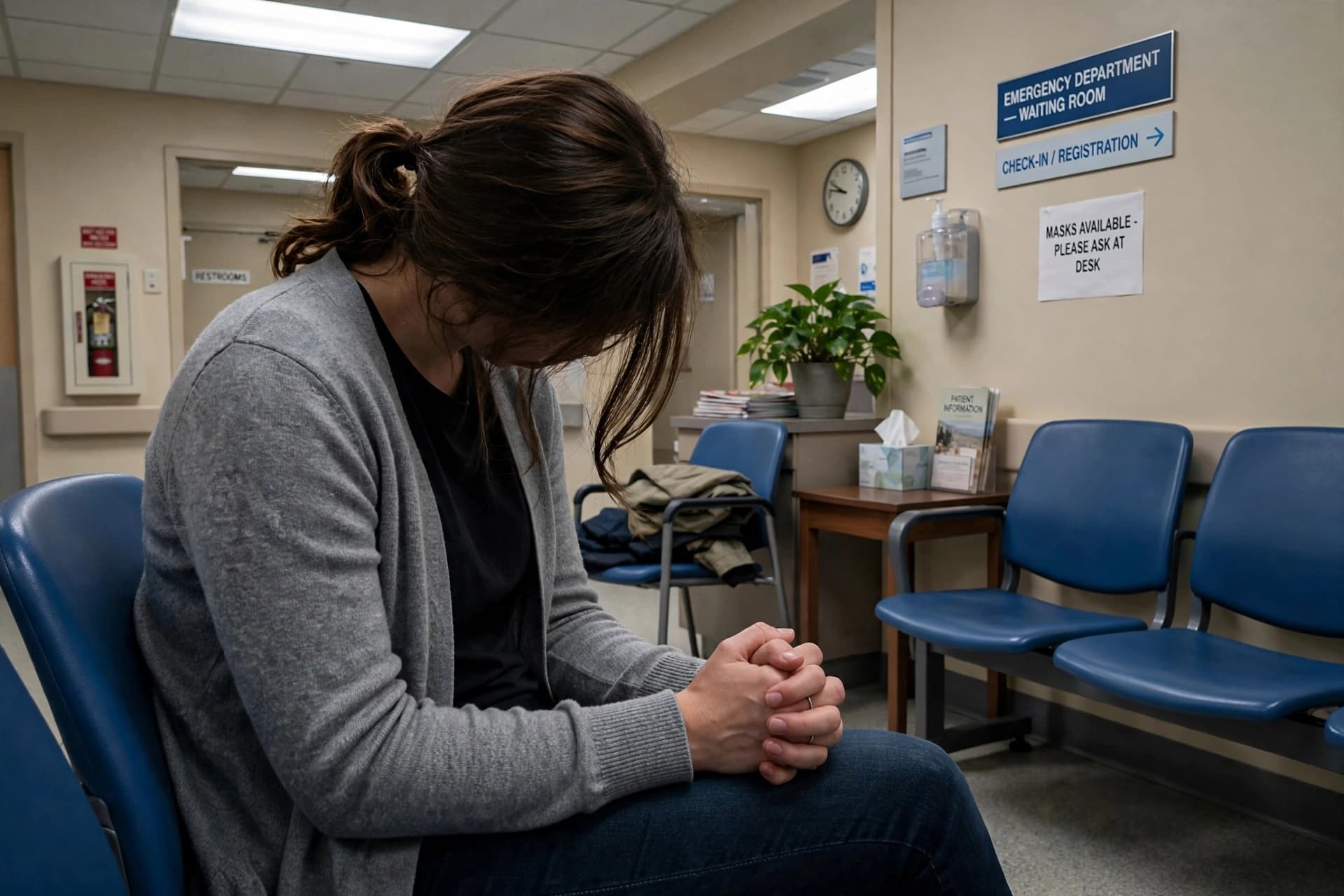
AI Image Disclaimer: Please be aware that any visual illustrations accompanying this text are AI-generated interpretations designed to evoke the thematic context of public health and do not depict real patients or specific medical facilities.
Sources: Centers for Disease Control and Prevention (CDC) NBC News Johns Hopkins Bloomberg School of Public Health ABC News
Published by Banx Network. This article is part of the Banx decentralized media programme, powered by the BXE token on the XRP Ledger.