The sky over Detroit turned a bruised purple on Thursday, signaling the arrival of a storm system that would leave an indelible mark on the city’s landscape. As winds howled and debris scattered through the streets, residents huddled indoors, waiting for the fury to pass. In the aftermath, Mayor Mike Duggan confirmed what many had suspected while watching the chaos unfold: a tornado had indeed touched down within the city limits. This confirmation transforms a night of fear into a documented event, inviting a collective reflection on the resilience of urban communities in the face of nature’s unpredictable power.
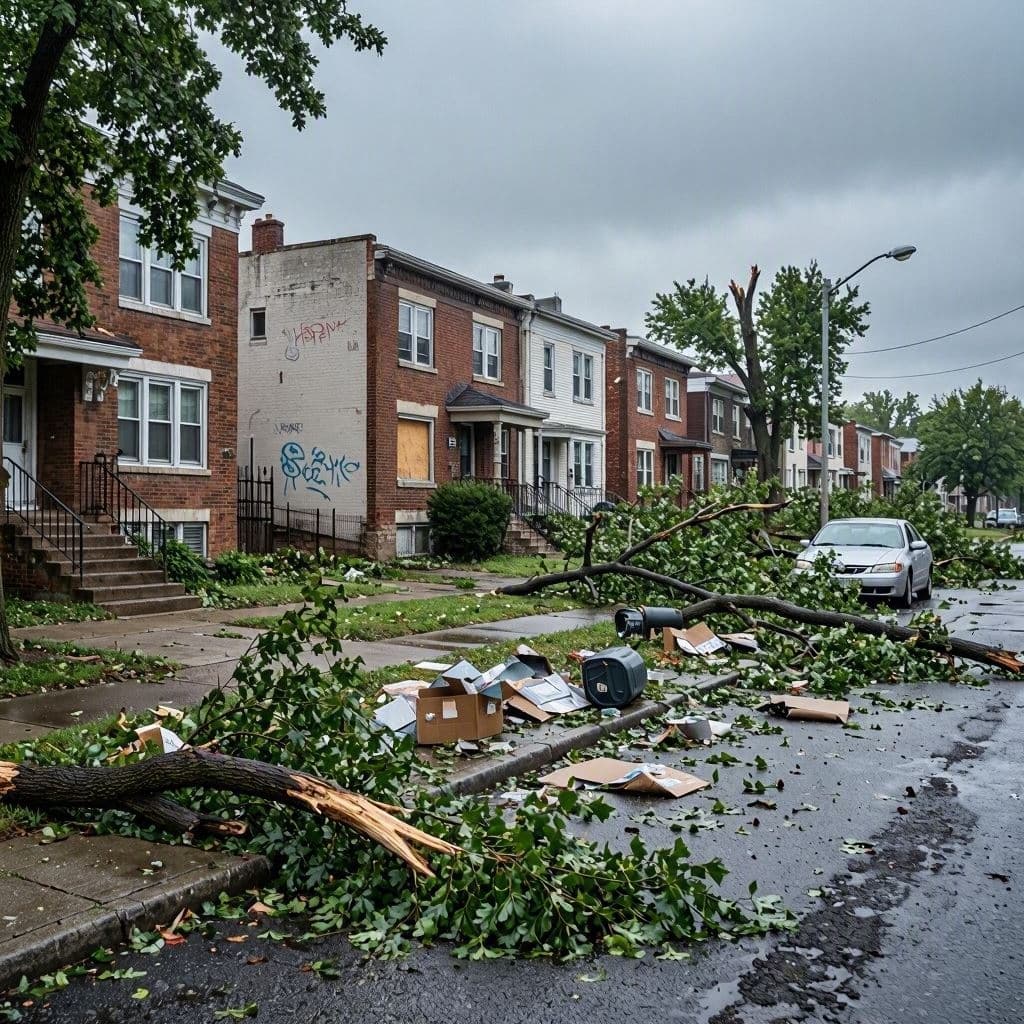
The storm brought with it heavy rain, hail, and gusts that uprooted trees and damaged roofs across several neighborhoods. For hours, emergency lines were flooded with calls, and first responders worked tirelessly to clear roads and assist those trapped by fallen branches or power lines. The visual evidence—stripped shingles, snapped trunks, and scattered insulation—painted a clear picture of the wind’s rotational force. Yet, official verification requires more than observation; it demands scientific analysis of the damage patterns.
Meteorologists from the National Weather Service joined local officials in conducting a damage survey. They looked for the telltale signs of a tornado: debris scattered in a convergent pattern, trees twisted rather than simply blown over, and a narrow path of destruction amidst wider areas of lesser impact. The confirmation of a tornado is significant, as it distinguishes the event from straight-line winds, which can cause similar damage but lack the violent spinning motion. This distinction helps in understanding the severity and mechanics of the storm.
For the residents of Detroit, the label of "tornado" carries weight. It validates their experience and underscores the seriousness of the threat they faced. While no fatalities were immediately reported, the emotional toll of such an event is profound. The sound of a siren, the sight of a funnel cloud, and the subsequent cleanup are memories that linger. Community centers opened their doors to offer support, turning spaces of routine into hubs of solidarity and recovery.
The mayor’s announcement also serves as a reminder of the importance of preparedness. Climate change is influencing weather patterns, making severe storms more frequent and intense in regions not traditionally associated with tornado alleys. Urban planning and infrastructure must adapt to these new realities, ensuring that buildings are resilient and warning systems are effective. The storm in Detroit is a case study in the evolving relationship between cities and climate.
Cleanup efforts are already underway, with city crews and volunteers working side by side to restore order. The process is slow and labor-intensive, requiring patience and cooperation. Neighbors help neighbors, sharing tools and meals, reinforcing the social fabric that holds the city together during crises. This communal response is as vital as the physical repairs, healing the psychological wounds inflicted by the storm.
As the skies clear and the sun returns, Detroit stands as a testament to endurance. The tornado may have left its mark, but it did not break the spirit of the community. The confirmation by the mayor closes one chapter of the event, opening another focused on rebuilding and readiness. It is a reminder that while we cannot control the weather, we can control how we respond to it.
Mayor Mike Duggan’s confirmation of a tornado in Detroit validates the severity of Thursday’s storms, highlighting the importance of scientific verification and community resilience in the wake of natural disasters.
AI Image Disclaimer: Please note that any accompanying visuals for this report are artificially generated representations intended for illustrative purposes only.
Sources: Detroit Free Press WXYZ-TV National Weather Service (Detroit/Pontiac) MLive
Published by Banx Network. This article is part of the Banx decentralized media programme, powered by the BXE token on the XRP Ledger.