In the sprawling outskirts of Melbourne, where the urban fringe meets the quiet rhythm of semi-rural life, a new kind of infrastructure is taking shape. It is not a tower of glass and steel reaching for the sky, but a vast, low-lying complex designed to house the invisible engines of the digital age. A proposed mega data center, slated to be six times the size of a major shopping mall, promises to transform the landscape of outer Melbourne. This development is more than just a construction project; it is a physical manifestation of our growing reliance on cloud computing, artificial intelligence, and the endless flow of data that powers modern life.
The scale of the proposal invites reflection on how our physical world is adapting to serve our virtual needs. It raises questions about energy, community impact, and the future of technological infrastructure in a city known for its livability. As the plans unfold, they offer a glimpse into the hidden architecture that supports our connected existence.
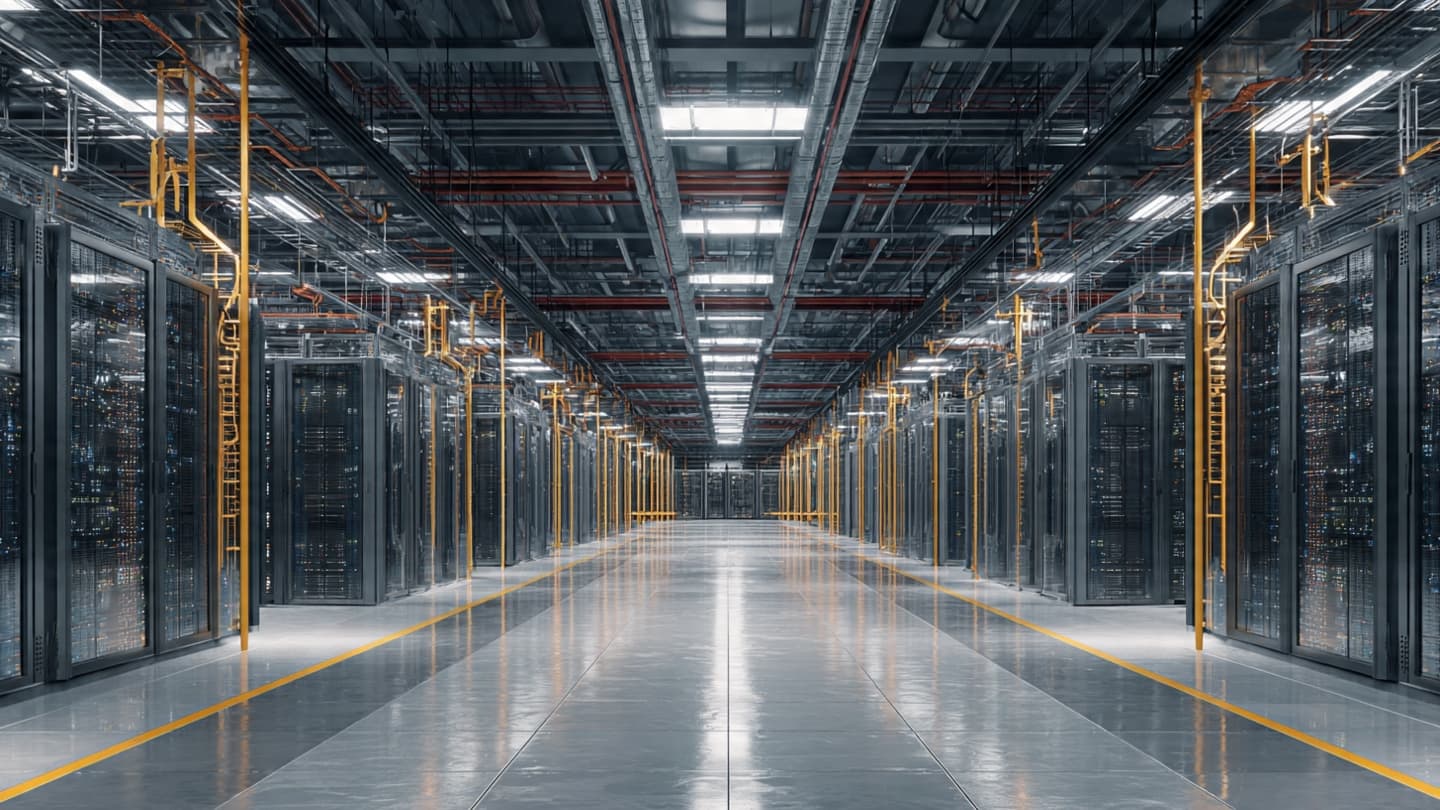
Body: The proposed facility, located in the growth corridor of outer Melbourne, represents a significant investment in Australia’s digital infrastructure. Developers envision a site that will host thousands of servers, providing the processing power and storage capacity needed for everything from streaming services to complex scientific research. The sheer footprint of the building, comparable to six large shopping centers, underscores the massive physical resources required to maintain the ethereal cloud.
For the local community, the announcement has sparked a mix of anticipation and concern. On one hand, the project promises economic benefits, including job creation during the construction phase and ongoing technical roles. It signals that the region is becoming a key node in the global digital network, potentially attracting further investment and innovation. For many residents, this represents an opportunity for growth and modernization in an area that has long been defined by residential expansion rather than industrial might.
However, the environmental implications are substantial. Data centers are notorious for their high energy consumption and heat generation. Critics and community groups have raised questions about the source of the electricity that will power the facility and the measures in place to manage thermal output. In a time when climate action is a priority, the demand for sustainable practices in tech infrastructure is louder than ever. Developers have stated their commitment to using renewable energy sources and advanced cooling technologies, but the details remain a focal point of public scrutiny.
Traffic and infrastructure strain are also part of the conversation. The construction of such a massive facility will require heavy machinery and increased transport activity, which could disrupt local roads. Once operational, the site will need robust connectivity and utility support, placing additional demands on municipal services. Local councils are working with developers to ensure that mitigation strategies are in place to minimize disruption to daily life.
The comparison to a shopping center is particularly striking because it highlights a shift in what we value as central to our economy. Where once retail hubs were the anchors of suburban life, now digital hubs are becoming the silent giants of the landscape. This transition reflects a broader societal change, where physical presence is increasingly supplemented, and sometimes replaced, by digital interaction. The data center is the new cathedral of commerce, housing the rituals of modern communication.
Experts note that Australia is lagging behind other developed nations in data center capacity, particularly as AI demands surge. This project could help bridge that gap, positioning Melbourne as a competitive player in the Asia-Pacific tech market. It is a strategic move that aligns with national goals for digital sovereignty and economic resilience. The success of the project could set a precedent for future developments across the country.
Closing: As the planning process continues, the dialogue between developers, government, and the community will be crucial. The mega data center is not just a building; it is a symbol of the digital era’s physical weight. Balancing technological progress with environmental stewardship and community well-being will define its legacy. In the end, the goal is to build a future that is both connected and sustainable.
AI Image Disclaimer: Please note that any visual illustrations accompanying this text are AI-generated interpretations designed to evoke the thematic context of modern digital infrastructure and urban development, and do not depict actual architectural renderings or specific locations in Melbourne.
Sources: The Age ABC News Data Centre Dynamics Urban Developer
Published by Banx Network. This article is part of the Banx decentralized media programme, powered by the BXE token on the XRP Ledger.