There is a quiet sorrow in the falling of a leaf, but when an entire species begins to fade from our urban canopy, the loss feels less like a seasonal change and more like a slow erasure of memory. The ash tree, once a steadfast sentinel in our parks and along our streets, is facing a silent crisis that demands difficult decisions from those tasked with keeping our cities safe.
Across various municipalities, including recent reports from areas like Milton Keynes and Leeds, local authorities are confronting the harsh reality of ash dieback, a fungal disease caused by Hymenoscyphus fraxineus. This pathogen has spread relentlessly through the United Kingdom and parts of Europe, weakening trees to the point where they become hazardous liabilities rather than living landmarks. The decision to remove these trees is never taken lightly, yet it has become a necessary act of stewardship in the face of an incurable blight.
The disease manifests subtly at first, with dark lesions on the bark and premature leaf fall, but its long-term impact is devastating. Experts estimate that up to eighty percent of ash trees could be lost in affected regions. For city planners, this presents a complex challenge: balancing the ecological value of mature trees against the immediate safety risks posed by brittle branches and unstable trunks that may fail without warning.
Public spaces, where families gather and children play, require a higher standard of safety assurance. When an ash tree is infected, its structural integrity compromises over time, often invisibly to the untrained eye. Councils and park trusts are therefore undertaking systematic surveys, identifying those specimens that pose a danger to pedestrians, property, and infrastructure. It is a meticulous process, requiring arborists to assess each tree individually rather than applying a blanket policy.
Yet, the removal of these trees is not merely a subtraction from our landscape; it is also an opportunity for renewal. Many local authorities are pairing their removal programs with replanting initiatives, introducing diverse species that are more resilient to changing climate conditions and resistant to specific diseases. This shift towards biodiversity aims to create urban forests that are not only beautiful but also robust enough to withstand future environmental stresses.
Community engagement plays a vital role in this transition. Residents are often encouraged to report signs of distress in local trees, fostering a sense of shared responsibility for the urban environment. While the loss of familiar trees can be emotionally difficult, there is a growing understanding that adaptation is essential. The narrative is shifting from one of pure loss to one of managed evolution, where the health of the wider ecosystem takes precedence over the survival of any single species.
As we move through this period of transformation, the empty spaces left by fallen ashes serve as reminders of nature’s fragility. They invite us to look closer at the remaining greenery, to appreciate the resilience of other species, and to support efforts that ensure our cities remain verdant sanctuaries. The work is ongoing, quiet, and largely unseen, but it is fundamental to the sustainability of our urban lives.
Local authorities continue to monitor the situation closely, with removal operations scheduled throughout the autumn and winter months to minimize disruption. Public safety remains the primary concern, even as communities mourn the gradual disappearance of a once-dominant feature of the British landscape.
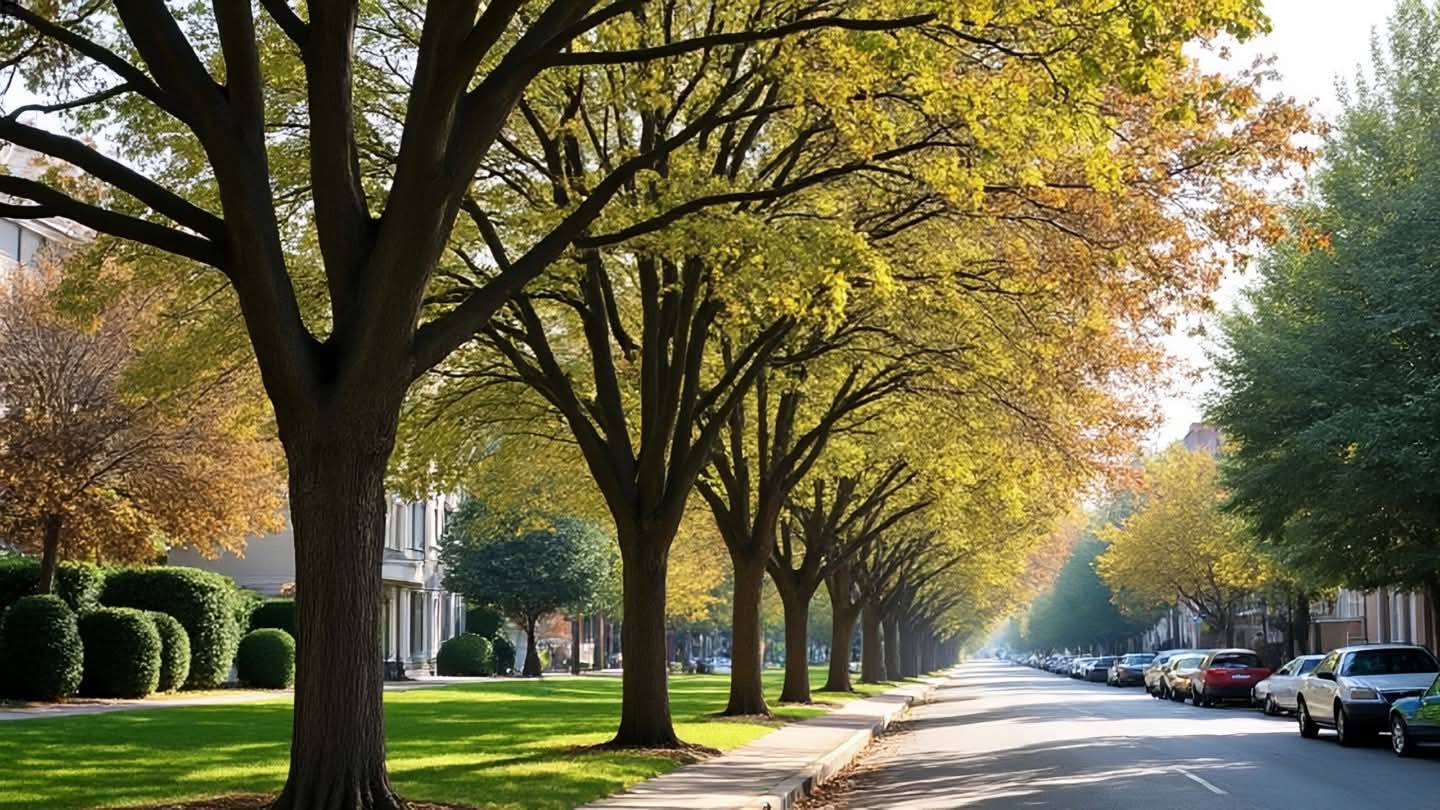
AI Image Disclaimer: Please note that any accompanying visuals for this piece are AI-generated representations intended to illustrate the thematic context of urban forestry management.
Sources: BBC News The Guardian Woodland Trust
Published by Banx Network. This article is part of the Banx decentralized media programme, powered by the BXE token on the XRP Ledger.