A data center may begin with concrete, steel and thousands of servers, but its long-term value depends on what keeps those machines running. Electricity, cooling, connectivity and reliable infrastructure are becoming increasingly important as Malaysia’s data-center industry moves from announcements toward actual operations.
The shift is becoming visible in the investment landscape. Research from BIMB Securities indicates that opportunities are increasingly moving away from construction-focused beneficiaries toward utilities, renewable-energy providers and connectivity operators.
The reason is relatively simple. Building a data center is only one stage of the process. Once construction is complete, the facility needs to be energized, connected and operated efficiently. As more projects approach that stage, reliable infrastructure becomes increasingly valuable.
Malaysia has attracted substantial data-center investment because of its connectivity, geographic position and growing role in Southeast Asia’s digital economy. The country was among the world’s leading destinations for data-center projects, according to investment authorities, with demand increasingly linked to artificial intelligence and cloud computing.
The scale of investment is considerable. Data-center and cloud-computing projects accounted for RM95.8 billion of Malaysia’s approved investments during the first half of 2026, almost 44% of the national total for the period.
Such expansion naturally brings electricity demand into focus. Data centers operate around the clock, making reliable power supplies one of the most important foundations of their business model. Malaysia’s utilities sector is consequently preparing for sustained growth in electricity demand associated with digital infrastructure.
Renewable energy is becoming part of that equation as well. Investment in solar generation, battery storage and other energy infrastructure can support the broader digital expansion while helping Malaysia move toward its longer-term energy-transition objectives.
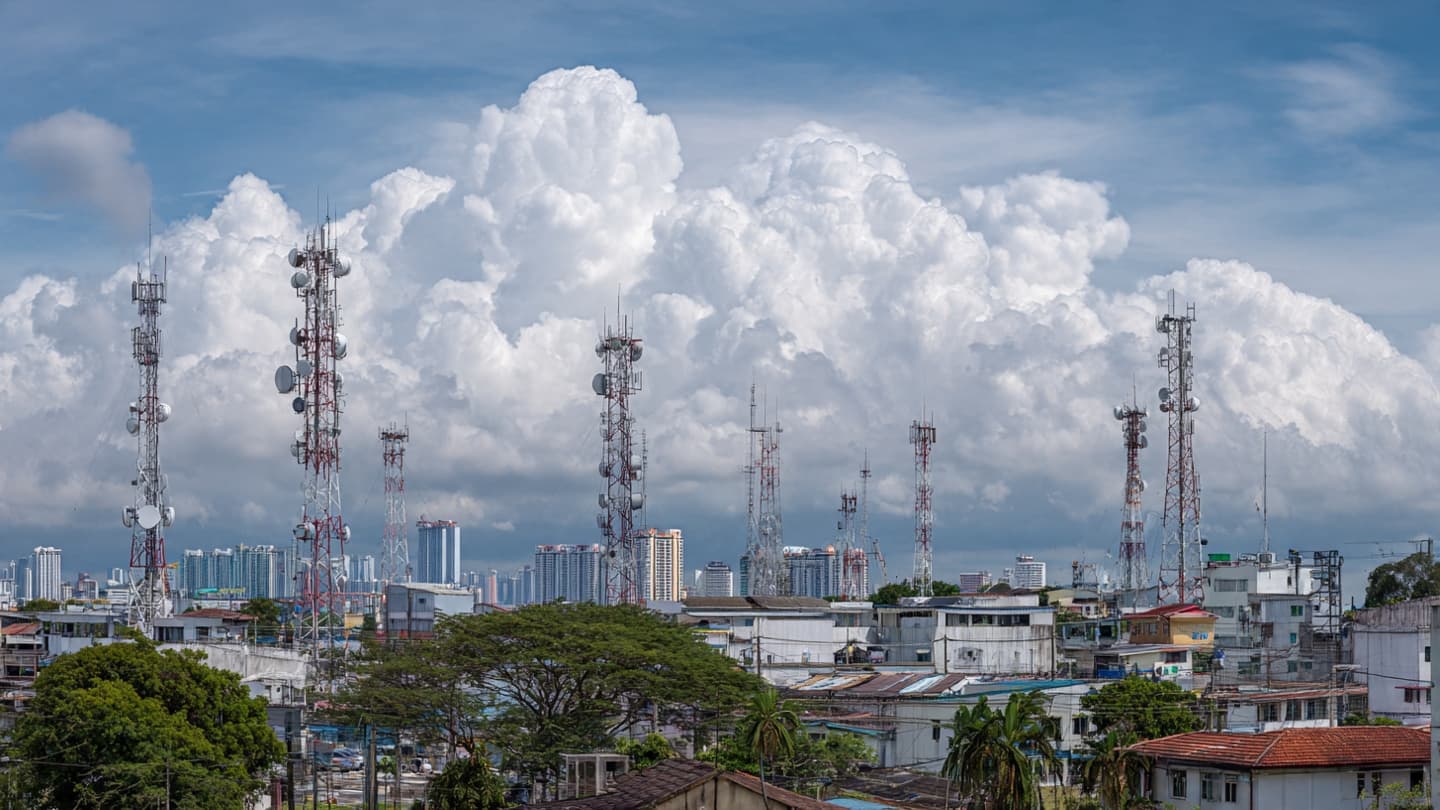
Connectivity is another piece of the landscape. A data center needs more than electricity; it must be connected to networks capable of moving enormous quantities of information quickly and reliably. This makes telecommunications infrastructure and regional connectivity increasingly important partners in the data-center economy.
The shift also changes how investors evaluate projects. Announced capacity can show ambition, but operational capacity reveals whether a facility has secured power, completed commissioning and begun generating recurring revenue. That distinction is becoming more important as Malaysia moves deeper into the implementation phase of its digital infrastructure boom.
Malaysia’s data-center story is therefore gradually moving beyond construction sites. The next stage is about the infrastructure surrounding those buildings—the electricity, renewable generation, connectivity and systems that allow digital facilities to operate continuously. In that quieter layer of the industry, another wave of investment is beginning to take shape.
AI Image Disclaimer: These images are AI-generated conceptual illustrations representing Malaysia’s data-center infrastructure ecosystem and are not photographs of specific companies or facilities.
Sources: The Star Malaysia Investment Development Authority BIMB Securities Research Reuters
Published by Banx Network. This article is part of the Banx decentralized media programme, powered by the BXE token on the XRP Ledger.