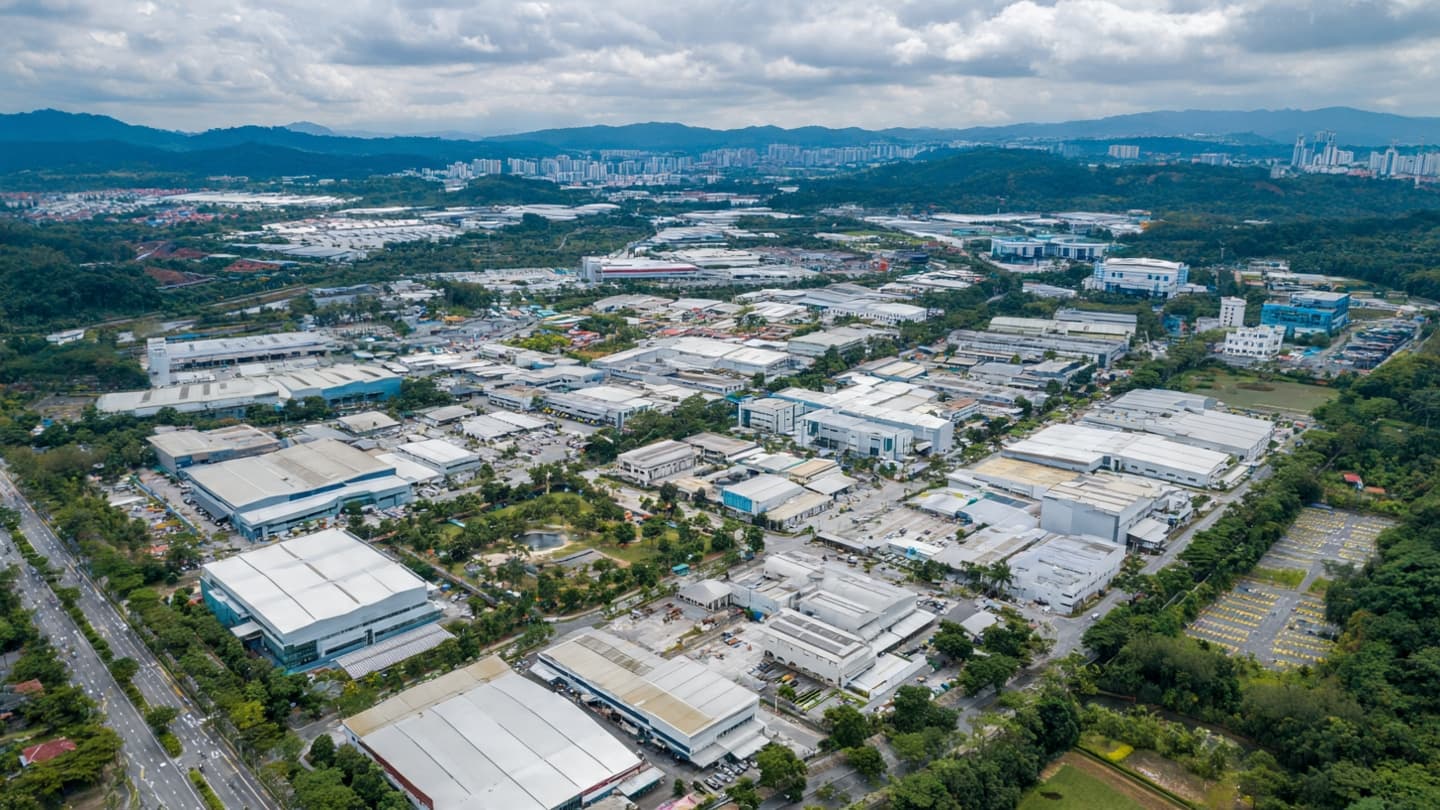
Investment often arrives before its physical shape becomes visible. It begins as a commitment on paper, a project proposal or a decision made in a corporate boardroom, before eventually becoming factories, technology facilities, offices and new infrastructure. In Malaysia, that movement gathered considerable scale during the first half of 2026.
Malaysia recorded RM218.5 billion in approved investments between January and June 2026, an increase of 11.7% from RM195.5 billion during the same period a year earlier. The approvals covered 2,746 projects and are expected to create 99,030 jobs once fully implemented.
Foreign investors accounted for RM126.9 billion, or 58.1% of the total, while domestic investment contributed RM91.6 billion. The United States, Singapore, Japan and China were among the largest sources of foreign investment during the period.
The geography of investment also reveals how different parts of Malaysia are developing distinct economic roles. Selangor led with RM70 billion, followed by Johor with RM59.4 billion, Kuala Lumpur with RM26.6 billion and Penang with RM20.2 billion. Sarawak recorded RM10.8 billion.
Services attracted the largest share, reaching RM149.6 billion. Within that sector, information and communications recorded strong growth, supported by demand for artificial intelligence, cloud computing and digital infrastructure. Data-center and cloud-computing projects alone accounted for RM95.8 billion of approved investment.
Manufacturing remained another important pillar, with RM51.3 billion in approved investments across 973 projects. Electrical and electronics, machinery and equipment, chemicals, transport equipment and food manufacturing were among the leading areas.
The manufacturing figures also carry an employment dimension. The sector was expected to generate 64,555 jobs, representing roughly two-thirds of the employment associated with the approved projects during the period. This places manufacturing at the center of Malaysia’s effort to attract higher-value industrial activity.
The primary sector also recorded a sharp increase, reaching RM17.6 billion, driven largely by offshore oil and gas projects. Sarawak and Sabah accounted for significant portions of those investments, reflecting continuing interest in Malaysia’s energy resources.
Yet approved investment is only the beginning. Projects still need land, permits, financing, workers, infrastructure and time before commitments become operating businesses. MIDA reported that most manufacturing projects approved in earlier years had already progressed into implementation, suggesting that a substantial portion of investment commitments can eventually move from plans into physical activity.
For Malaysia, the first half of 2026 therefore offers a broad picture rather than a single investment story. Digital infrastructure, semiconductors, manufacturing, energy and services are moving along different paths but within the same economic landscape. The next measure of momentum will be how much of that capital becomes factories, facilities, technology and jobs on the ground.
AI Image Disclaimer: The following illustrations are AI-generated conceptual visuals for editorial presentation and do not depict specific investment projects or actual facilities.
Sources: Malaysia Investment Development Authority Bernama Malay Mail The Edge Malaysia
Published by Banx Network. This article is part of the Banx decentralized media programme, powered by the BXE token on the XRP Ledger.