There is an odd arithmetic to democracy, a way in which the most local decisions often draw the fewest participants. On Wednesday, Winnipeg held its municipal and school board elections. The city set a record for advance voting, a fact that suggested, perhaps, a surge of engagement . But when the final numbers were counted, 202,649 ballots had been cast out of 533,856 eligible voters. The turnout was 38 percent. It was the lowest in more than four decades.
You have to go back to 1984 to find a lower turnout, when 34 percent of eligible voters cast ballots. The 2026 figure was slightly higher than 2022's 37.5 percent and matched 2006, but those comparisons offer little comfort . A city of Winnipeg's size, with a mayor's race and council seats and school board trustees on the ballot, drew fewer than two in five eligible voters to the polls. The advance voting record, it turns out, was not a harbinger of a broader surge. It was an exception.
There are explanations that circulate after every low-turnout election, and they are not without merit. Municipal politics receives less media coverage than provincial or federal campaigns. The issues, while deeply consequential, are often technical—zoning, infrastructure, transit budgets—and do not lend themselves to the sharp contrasts of partisan debate. Winnipeg's election was also held on a Wednesday, a detail that may have mattered for voters navigating work and family obligations. But explanations are not the same as solutions.
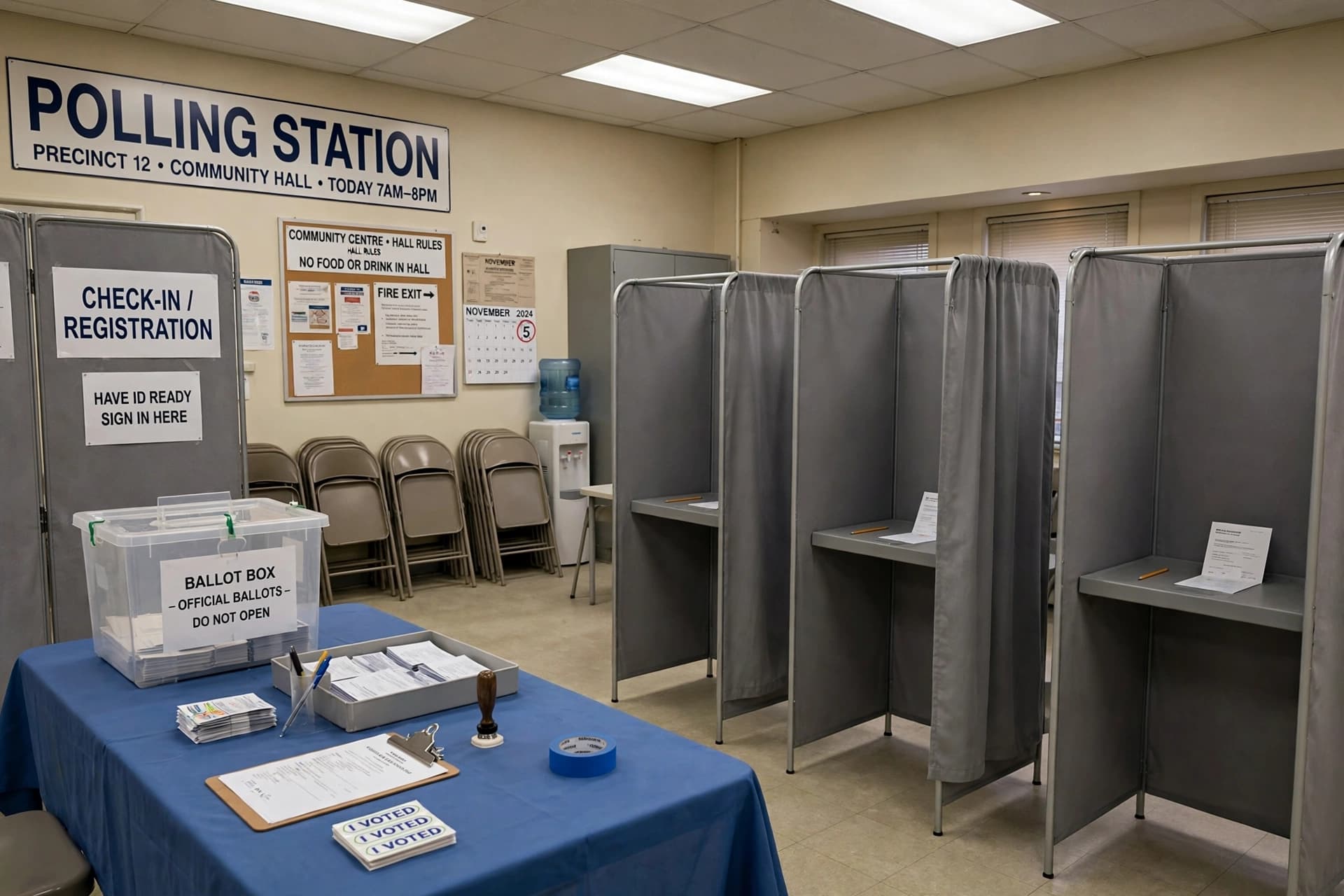
What makes this particular turnout notable is the contrast with the advance voting numbers. A record 50,767 people voted early, a 21.2 percent increase over 2022 . The city expanded advance voting locations, placing them in malls, hospitals, care homes, and post-secondary schools. Election staff made voting easier to access. And yet, when the final day arrived, the total did not follow. The people who voted early may simply have been the people who would have voted anyway, their participation shifted in time rather than increased in number.
For the newly elected council and the mayor who will lead it, the mandate is real but thin. A mayor elected by 38 percent of eligible voters governs on behalf of all residents, but the legitimacy of that mandate is inevitably shaped by who showed up. The decisions that lie ahead—water rates, transit, housing, policing—will affect everyone, including the majority who did not cast a ballot. The challenge for the next council will be to govern in a way that earns the attention of those who stayed home.
There is no single fix for low municipal turnout, and it would be unkind to pretend otherwise. The factors that drive participation are structural and cultural, shaped by media habits and civic education and the simple question of whether people believe their vote matters. What the Winnipeg numbers suggest is that convenience alone is not enough. Making it easier to vote does not necessarily make people want to.
The election is over, the results are certified, and the work of governing begins. For the residents of Winnipeg, the question that remains is not why 38 percent showed up, but what the other 62 percent were thinking. The answer, whatever it is, will shape the next four years as surely as the ballots that were cast.
Image note: The images in this article were created with artificial intelligence and do not depict the actual election or the individuals involved.
Sources: CBC News, City of Winnipeg
Published by Banx Network. This article is part of the Banx decentralized media programme, powered by the BXE token on the XRP Ledger.