The delicate dance between the press and the presidency has hit a stumbling block, as major television networks have suspended their participation in the White House press pool. This unprecedented move comes after President Donald Trump banned CNN, along with Politico and MS NOW, from covering his administration. The decision, described by critics as an attack on press freedom, has led to a collective stand by ABC, CBS, NBC, and Fox News, who refuse to replace CNN in the pool rotation. It is a moment of tension that highlights the fragile balance between access and accountability.
The White House press pool is a longstanding arrangement where a small group of reporters covers the president’s daily activities and shares their footage and notes with the broader media corps. By removing CNN from this rotation, the administration effectively limited the network’s access to key events. President Trump cited unfavorable coverage as the reason for the ban, a justification that many journalists view as punitive. The move raises questions about the government’s role in shaping news narratives.
In response, the major networks issued a joint statement emphasizing the importance of independent journalism. They argued that excluding specific outlets undermines the diversity of perspectives essential for a healthy democracy. By suspending pool coverage, they aim to pressure the administration to reverse the ban. This collective action demonstrates the power of media solidarity in defending professional standards. Unity is a strong tool in advocacy.
The suspension means that for designated pool events, there will be no official video feed or shared reporting. This lack of coverage limits the public’s access to real-time information about the president’s activities. While individual reporters may still attend events, the logistical challenges are significant. The disruption affects not just the banned outlets but the entire ecosystem of political journalism. Information flow is critical for transparency.
Legal experts suggest that the ban may face challenges in court, citing First Amendment protections. Precedents exist for lawsuits against government entities that restrict press access based on content. The outcome of such legal battles could set important precedents for future administrations. The rule of law serves as a check on executive power. Justice is blind to political preference.
Public reaction has been divided, with some supporting the president’s stance against perceived bias and others condemning the restriction of press freedom. The debate reflects broader societal divisions about the role of media in politics. Trust in institutions is eroding, making such conflicts more contentious. Dialogue is needed to rebuild confidence.
Historically, tensions between presidents and the press are not new, but the scale of this disruption is notable. Past administrations have criticized specific outlets but rarely excluded them from formal pools. This escalation marks a shift in how media relations are managed. It sets a precedent that could influence future interactions. History watches closely.
In the end, the suspension of the TV pool is a significant development in American politics. It underscores the ongoing struggle for press freedom and the importance of diverse media voices. As negotiations continue, the hope is for a resolution that respects both security needs and journalistic integrity. Democracy thrives on open information.
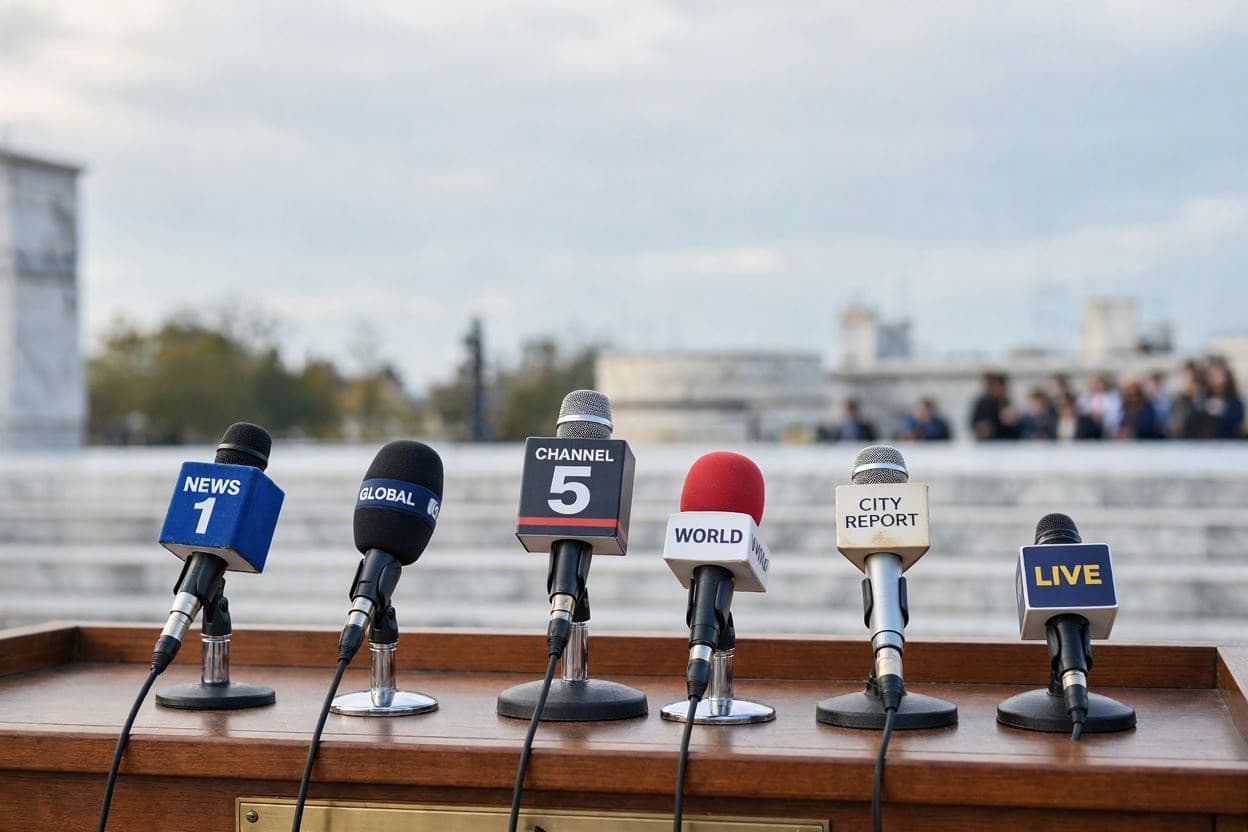
AI Image Disclaimer: The images accompanying this article are AI-generated artistic interpretations of press conferences and media themes, not actual photographs of President Trump or specific newsroom settings.
Sources: The New York Times CNN The Wall Street Journal
Published by Banx Network. This article is part of the Banx decentralized media programme, powered by the BXE token on the XRP Ledger.