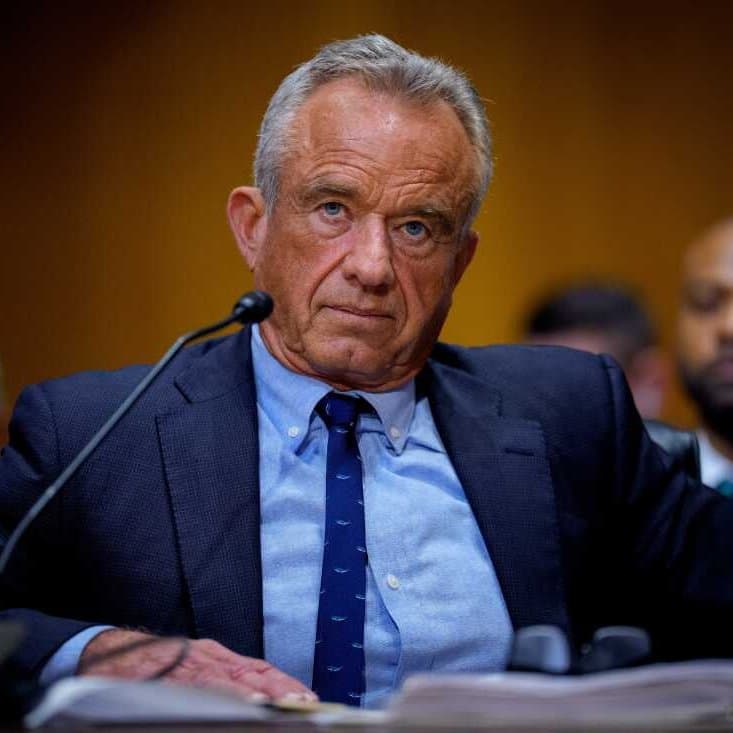
In a surprising development shaking up public health policy, Secretary RFK Jr.’s CDC has officially rescinded two major vaccine recommendations that have been in place for years.
First, the agency advised against giving toddlers the chickenpox vaccine simultaneously with the MMR (measles, mumps, and rubella) vaccine. This marks a significant change from previous guidelines, which allowed or encouraged combined administration to streamline immunization schedules.
Second, and perhaps more strikingly, the CDC has withdrawn its blanket recommendation that all adults receive routine COVID-19 booster shots. Instead, the agency announced a return to a personalized, informed consent model. This means that vaccine decisions will now focus on individual health circumstances, with healthcare providers expected to discuss risks and benefits with each patient rather than follow a universal directive.
“The era of one-size-fits-all COVID booster mandates is over,” said Deputy Secretary O’Neill. “Informed consent is back. CDC’s 2022 blanket booster policy often discouraged meaningful conversations between doctors and patients about individual risk factors. That changes today.”
This shift represents a major philosophical and practical pivot in U.S. vaccine policy, emphasizing personal choice, medical dialogue, and tailored healthcare recommendations. The CDC’s move reflects growing discussions in the medical community about balancing public health initiatives with patient autonomy.
Supporters of the change argue it restores trust between patients and healthcare providers by empowering individuals to make decisions with clear, personalized information. Critics, however, warn that moving away from broad recommendations could lead to lower vaccination rates and potential public health challenges.
As these new guidelines take effect, both healthcare professionals and the public will need to adjust to a more individualized vaccine decision-making process — one that places informed consent at its core.
Published by Banx Network. This article is part of the Banx decentralized media programme, powered by the BXE token on the XRP Ledger.